At Restoration Dental, our approach to ceramic crowns blends modern materials with careful clinical judgment. We focus on solutions that restore strength and function while keeping each result subtle and natural-looking. Our goal is to help patients walk out with a comfortable bite and a smile they feel good about sharing.
Teeth are remarkably resilient, but they can still suffer from decay, fractures, wear, or the long-term effects of large restorations. In many cases, a crown is the most reliable way to protect the remaining tooth structure and rebuild chewing ability. Ceramic crowns, in particular, offer a balance of durability and aesthetics that suits both front and back teeth.
This page explains when a crown becomes the right choice, what makes all-ceramic restorations different from older crown materials, how we select the appropriate ceramic for each situation, and how the process works from first consult to final seating. Read on to learn what to expect and why many patients prefer metal-free, ceramic crown options.
Deciding between a filling and a crown comes down to how much healthy tooth remains and the functional demands placed on the tooth. A filling repairs a localized area, but once decay, fracture, or prior restorations have compromised a significant portion of the tooth, a full-coverage restoration offers greater protection. Crowns encase the tooth, redistributing biting forces and reducing the risk of future breakage.
Patients commonly need crowns after large fillings fail, following root canal therapy, when a tooth is chipped or cracked, or to protect teeth that endure heavy wear from clenching or grinding. Crowns are also used to anchor bridges and to restore dental implants. By covering the entire visible portion of the tooth above the gumline, a crown restores shape, function, and often aesthetics in one treatment.
Choosing a crown is a decision based on long-term prognosis and the patient’s goals. During your examination we evaluate the tooth’s remaining structure, the health of the surrounding gum and bone, occlusion (how your teeth come together), and cosmetic concerns. This comprehensive assessment guides whether a crown is recommended and what type will best meet your needs.
To rebuild a tooth with extensive decay or structural loss
To replace a large or failed filling that no longer provides adequate support
To restore an implant crown and recreate natural function and appearance
To protect a tooth after root canal therapy or to reinforce teeth weakened by trauma
To improve the proportions, color, or alignment of a single tooth where additional coverage is needed

Advances in dental ceramics have changed how we approach full-coverage restorations. Today's materials are engineered to mimic the light-reflective qualities of natural enamel while offering excellent strength. That means a crown can be both functional and indistinguishable from the surrounding teeth in most cases.
All-ceramic crowns are metal-free, which eliminates the dark margins that can appear with porcelain fused to metal restorations. They also tend to be kinder to soft tissues and are an excellent option for patients with sensitivities to metal. In the anterior zone, the lifelike translucency of ceramic helps create a seamless smile. In posterior teeth, newer ceramics can reliably withstand chewing forces when selected and designed properly.
Beyond appearance, ceramics offer other practical benefits: they resist staining, can be crafted with minimal reduction in some cases, and interact well with modern adhesive cements. These properties make them a versatile choice for a wide range of restorative needs, from single crowns to implant-supported restorations.
Delivers natural translucency and a lifelike surface texture
Often requires less dental reduction compared with older systems
Metal-free composition reduces the risk of visible margins and improves gum compatibility
Strong, stain-resistant surfaces that maintain their appearance over time
Not all ceramics are identical, and material choice depends on location, functional load, and aesthetic priorities. For a front tooth where translucency and precise color matching matter most, a more esthetic ceramic may be preferred. For back teeth that endure higher chewing forces, a tougher, more resilient ceramic is often the better option.
Common contemporary choices include lithium disilicate, which balances strength and translucency; pressable leucite-reinforced porcelains that offer refined aesthetics; and zirconia in either monolithic or layered forms for exceptional durability. High-translucent zirconia has expanded options where both strength and appearance are important.
We factor your bite pattern, tooth position, and any parafunctional habits into the selection process. When appropriate, we discuss the trade-offs—such as slight differences in translucency or minimal preparation needs—so you can make an informed decision. Our aim is to match the material to the clinical demands and your cosmetic goals.
Lithium disilicate: excellent balance of strength and natural esthetics
Leucite-reinforced pressable porcelain: refined color matching for anterior cases
Monolithic zirconia: high durability for posterior teeth and implant crowns
High-translucent zirconia: improved esthetics while retaining strength

The crown process begins with a thorough clinical exam and diagnostic records. We use digital imaging and, when necessary, CBCT or intraoral scanning to assess tooth structure, root health, and the supporting tissues. A digital workflow improves communication with the dental laboratory and can speed up delivery without compromising precision.
Once the plan is set, the tooth is prepared to create room for the restoration while preserving as much healthy structure as possible. A well-fitting temporary crown protects the tooth while the final restoration is fabricated. Because many crowns are now milled from high-quality ceramic blocks, the fit and contours can be established precisely before the final cementation appointment.
At the final visit we evaluate fit, shade integration, contacts, and occlusion, making any minor adjustments before permanently cementing or bonding the crown. We review care instructions and establish a maintenance plan that includes routine exams and cleanings to protect the restoration and surrounding tissues over time.
Our team emphasizes a patient-centered workflow that combines careful planning, modern materials, and clear communication. We tailor each restoration to the individual—considering not just the single tooth, but how it relates to your overall smile and function. This holistic view helps ensure predictable outcomes that feel and look natural.
We prioritize conservative preparation, contemporary adhesive and cementation techniques, and close collaboration with trusted dental laboratories. When necessary, we leverage digital impressions and milling technologies to streamline treatment while maintaining high-quality aesthetics and fit.
Restoration Dental is committed to helping patients regain comfort and confidence in their smiles. If you’re considering a ceramic crown or want to explore whether a crown is the right choice for a problem tooth, we welcome the opportunity to discuss your options and outline a clear treatment plan tailored to your needs.
In summary, ceramic crowns provide a metal-free, durable, and highly aesthetic solution for many restorative challenges. If you’d like to learn more about how a ceramic crown could help restore form and function to a damaged tooth, please contact us for more information.


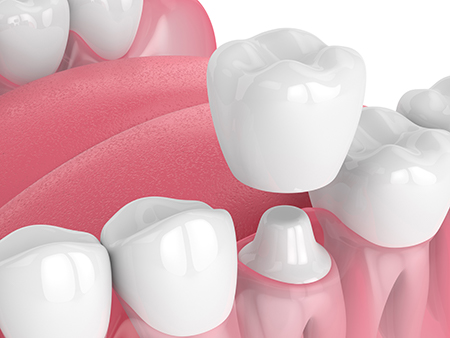
Ceramic crowns are full-coverage restorations made from metal-free dental ceramics that replace the visible portion of a damaged tooth. They are designed to restore function and protect remaining tooth structure while providing a natural appearance. Unlike porcelain-fused-to-metal crowns, all-ceramic options eliminate metal margins and often offer superior esthetics in many cases.
Modern ceramics are engineered to mimic the light-transmitting properties of enamel, giving them lifelike translucency and surface texture. Advances in materials allow clinicians to choose ceramics with varying strength and translucency to suit different clinical needs. As a result, ceramic crowns can be appropriate for both anterior and posterior teeth when selected and designed properly.
A ceramic crown is typically recommended when a filling would no longer provide sufficient structural support for a tooth. Common indications include large decay, a fractured or cracked tooth, extensive wear, or a tooth that has undergone root canal therapy. Crowns also serve to restore dental implants and to anchor fixed bridges where full coverage is required.
The decision to recommend a crown is based on a comprehensive assessment that includes remaining tooth structure, gum and bone health, and how the bite functions. We also consider aesthetic goals and any parafunctional habits such as grinding or clenching. This evaluation helps determine whether a crown will provide a predictable long-term solution compared with other options.
Contemporary ceramic options include lithium disilicate, leucite-reinforced pressable porcelains, and several types of zirconia ranging from monolithic to high-translucent formulations. Each material offers a different balance of strength, translucency, and preparation requirements. Clinicians select among these options based on the tooth's location and functional demands.
Lithium disilicate is known for a strong combination of durability and esthetics, while leucite-reinforced porcelains excel at fine color matching in anterior cases. Monolithic zirconia provides exceptional strength for posterior restorations and implant crowns, and newer high-translucent zirconias narrow the esthetic gap for anterior use. Understanding these trade-offs allows for a material choice that meets both cosmetic and functional objectives.
The crown process begins with a clinical exam and diagnostic records, which may include digital photographs, radiographs, intraoral scans, or CBCT when indicated. These records help assess tooth structure, root health, and the supporting tissues so the team can plan a restoration that integrates with the patient's occlusion and smile. A digital workflow improves accuracy and communication with the dental laboratory.
During preparation the tooth is shaped to make room for the crown while preserving as much healthy structure as possible, and a provisional restoration protects the tooth during fabrication. Many practices now mill crowns from ceramic blocks or use pressed ceramics in a laboratory, allowing precise contours and reliable fit. Temporary restorations also let the clinician evaluate function and appearance before final seating.
At the final appointment the clinician evaluates fit, contacts, shade match, and occlusion, making fine adjustments before cementing or bonding the crown permanently. Careful adhesive and cementation techniques are chosen to match the material and clinical situation to optimize longevity. The team at Restoration Dental coordinates these steps with trusted laboratories to deliver predictable, natural-looking outcomes.
The longevity of a ceramic crown depends on material selection, the condition of the underlying tooth, occlusal forces, and the patient's oral hygiene habits. Many ceramic restorations perform well for many years when properly designed and maintained, but no restoration is immune to wear, fracture, or failure of the supporting tooth. Parafunctional habits like bruxism increase risk and may require protective measures such as a nightguard.
Regular dental visits allow early detection of issues such as marginal breakdown, recurrent decay, or contact changes that can compromise a crown. When problems are identified early, conservative repairs or replacement can be planned to protect adjacent teeth and supporting tissues. Ongoing evaluation of the restoration and surrounding structures is essential to maximize serviceability.
Homecare for ceramic crowns mirrors care for natural teeth: brush twice daily with a nonabrasive fluoride toothpaste and clean between teeth daily with floss or interdental brushes. Maintaining excellent plaque control helps preserve the health of the gums and the margin where the crown meets the tooth. Avoiding habits such as opening packages with the teeth or biting very hard objects reduces risk of chipping or fracture.
If you have a history of grinding or heavy occlusal forces, discuss a protective appliance with your clinician to limit excessive stress on the restoration. Routine checkups and professional cleanings allow the dentist to monitor the crown's fit, contacts, and surrounding tissue health. Prompt attention to sensitivity, looseness, or changes in bite improves the chance of a conservative solution.
Ceramic crowns are generally biocompatible, but potential complications can include postoperative sensitivity, marginal leakage with secondary decay, debonding, and ceramic fracture. In some cases the underlying tooth may develop new problems that require endodontic therapy or additional treatment. Precise preparation, material selection, and cementation help reduce the likelihood of these issues.
Soft tissue response is usually favorable with metal-free ceramics, though careful attention to crown contours and polishing is important to maintain gingival health. Occlusal adjustments may be needed after placement to eliminate high spots that can cause discomfort or accelerated wear. Clear communication with the dental team about changes in comfort or function supports timely management of complications.
Ceramic crowns are commonly used on dental implants and can provide excellent esthetics and function when combined with an appropriate abutment. Material choice for an implant-supported crown emphasizes strength and connection design, and monolithic zirconia is frequently selected for its durability in high-load situations. The prosthetic connection and occlusal scheme are planned carefully to protect both the implant and the ceramic restoration.
Implant crowns differ from tooth-supported crowns in that they lack the cushioning effect of a periodontal ligament, so occlusal forces are transmitted differently to the supporting bone and implant. This biomechanical difference influences material choice, thickness, and design to minimize the risk of ceramic fracture or implant overload. Proper prosthetic planning, including screw-retained versus cement-retained options, is an important part of the decision-making process.
Choosing the right ceramic for a front tooth prioritizes translucency, shade integration, and surface texture to achieve a lifelike result. Materials such as lithium disilicate or layered porcelains are often favored in anterior cases for their ability to mimic enamel depth and color subtleties. In addition to material choice, meticulous shading and glazing techniques are essential to reproduce adjacent tooth characteristics.
For posterior teeth the emphasis shifts toward strength and resistance to occlusal forces, where monolithic zirconia or high-strength lithium disilicate may be preferred. Posterior crowns can be designed with slightly different thicknesses and occlusal morphology to distribute forces more predictably. Your clinician will discuss aesthetic compromises and mechanical advantages so the selected material meets both function and appearance goals.
After crown placement it is common to experience mild sensitivity or tenderness for a few days as the tissues adapt to the restoration and any local anesthesia wears off. Normal chewing can usually resume immediately, but patients should avoid particularly hard or sticky foods until the final cement has fully set and comfort is confirmed. If sensitivity persists or there are signs of inflammation, contact the dental team for evaluation.
A follow-up appointment is typically scheduled to confirm fit, contacts, and occlusion once the crown has been in function for a short period. During these visits the clinician may make minor adjustments and verify that surrounding gum tissue remains healthy. Periodic dental exams and radiographs help monitor the crown and the health of the underlying tooth over time.
If you have questions about whether a ceramic crown is the right option for your tooth, the practice can provide a personalized assessment based on your oral health and goals. We use a thorough diagnostic process and modern materials to match restorative choices to each patient’s needs. Contact Restoration Dental to schedule a consultation and learn more about how ceramic crowns may help restore form and function.

Ready to schedule your next appointment or learn more about our services?
Getting in touch with Restoration Dental is simple! Our welcoming staff is here to help you schedule appointments, answer questions about treatments, and address any concerns you may have. Whether you’d like to call or use our easy online contact form, we’re always ready to assist. Don’t wait to take the first step toward a healthier, more confident smile – contact us today and experience the difference of personalized dental care.