CEREC® brings the dental lab into the operatory, enabling the design and delivery of ceramic crowns, inlays, and onlays in a single appointment. The streamlined workflow reduces the number of visits needed and eliminates temporary restorations, so patients leave with a finished, functional restoration rather than a provisional solution.
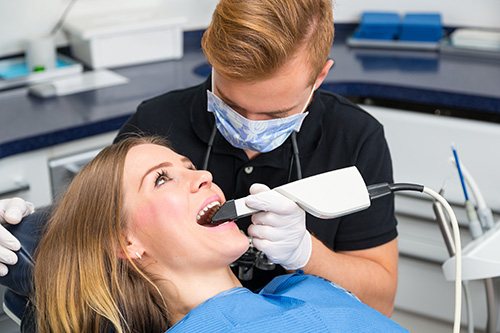
With chairside CEREC technology, your entire crown procedure—from digital scan to final restoration—is completed in a single visit. After your tooth is prepared, a comfortable intraoral scanner captures precise 3D images that guide the design of your custom crown. Using advanced CAD software, the dentist refines the shape and fit before the data is sent to an in-office milling unit, which crafts the crown from durable ceramic within minutes. By completing everything while you’re still in the office, CEREC eliminates the need for temporary crowns and return visits, offering a faster, more convenient experience.
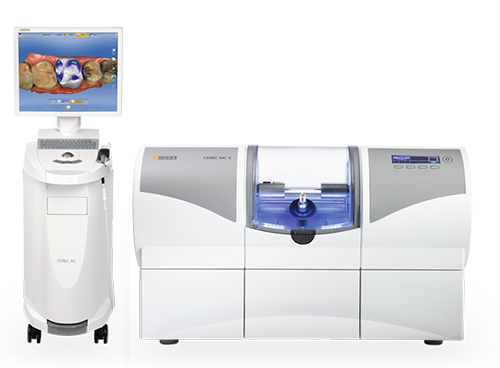
CEREC’s digital workflow—combining intraoral scanning, CAD design, and precise milling—creates highly predictable, accurate restorations. Detailed scans generate a virtual model that lets the dentist evaluate margins, contacts, and bite before fabrication. The design is refined for natural anatomy and seamless integration, then milled with exactness to produce a restoration that fits beautifully. Durable, esthetic ceramic materials complete the process, offering strength, translucency, and long-lasting natural appeal.

CEREC-crafted ceramic restorations offer both strength and natural beauty. Modern ceramics mimic enamel’s translucency and light reflection, allowing the restoration to blend seamlessly with surrounding teeth. The material is biocompatible, resists staining, and maintains smooth, polished surfaces that support gum health and easy cleaning. With proper design and placement, these restorations provide dependable long-term function. Routine brushing, flossing, and regular dental visits help maintain their appearance and ensure they continue to perform like natural teeth.
CEREC is an excellent option for many restorative needs, but appropriate case selection is important. Single crowns, onlays, and smaller prosthetic restorations are particularly well suited to a chairside digital workflow. For more complex multi-unit cases or situations that require specialized laboratory techniques, the clinical team will evaluate whether a laboratory-fabricated approach remains preferable.
Patient comfort is a priority throughout the CEREC appointment. Because the process reduces appointments and minimizes time with a temporary restoration, many patients report a simpler, less disruptive experience. For those who prefer additional relaxation, sedation options and a calming office environment help ensure care is delivered gently and without undue stress.
Coordination with other aspects of dental care is straightforward. Whether the restoration is part of a larger restorative plan, follows periodontal therapy, or complements implant work, the CEREC workflow can be integrated into comprehensive treatment planning to support cohesive, predictable results.
If you’re curious whether same-day ceramic restorations are right for you, our team will review your dental history and treatment goals to recommend the most appropriate approach for your situation.
CEREC-supported restorations combine digital accuracy, efficient production, and high-quality ceramic materials to deliver same-day crowns, inlays, and onlays with minimal disruption to your routine. The digital workflow emphasizes comfort, precise fit, and esthetics, making it a strong option for many patients seeking reliable restorative care.
Our team at Restoration Dental integrates this technology with patient-centered planning to ensure each restoration meets both functional and cosmetic goals. We consider clinical needs, long-term maintenance, and the individual preferences of every patient when recommending a restorative path.
To learn more about how same-day ceramic restorations might fit into your dental care plan, please contact us for more information.


CEREC is a chairside digital system that allows a dentist to scan, design, and mill ceramic restorations in a single appointment. Instead of taking physical impressions and sending them to an offsite lab, the clinician captures a three-dimensional digital model with an intraoral scanner and completes the restoration using CAD/CAM software. The restoration is milled from a solid ceramic block and finished in-office, which eliminates the need for a temporary crown and a separate placement visit.
The streamlined workflow shortens treatment time and reduces the number of appointments required to complete restorative care. Digital records preserve precise margin and occlusal information, which can improve fit compared with some traditional workflows. While lab-fabricated restorations remain appropriate for certain complex cases, the CEREC approach is well suited for many single-tooth and small-unit restorations where speed and accuracy are priorities.
CEREC is commonly used to create single crowns, onlays, inlays, and small ceramic veneers during a chairside appointment. These restorations restore form and function for teeth that are fractured, decayed, or cosmetically compromised while preserving healthy tooth structure when possible. The system is optimized for single-tooth and limited-unit restorations that do not require specialized laboratory techniques.
For multi-unit bridges, complex full-arch rehabilitations, or cases that need custom shading and advanced laboratory processes, the clinical team may recommend a lab-fabricated solution. Implants may be restored with CEREC-produced crowns in some scenarios, though implant restorations sometimes require additional components or workflows. Your dentist will evaluate the clinical situation to determine whether a same-day chairside restoration is an appropriate option.
The process begins with tooth preparation and a digital intraoral scan that captures the prepared tooth and surrounding occlusion in three dimensions. The scan is used to create a virtual model on CAD software where the dentist designs the restoration, refining contacts, anatomy, and occlusion before approving the final shape. This digital design can be evaluated and adjusted on-screen, allowing the clinician to preview fit and function prior to fabrication.
Once the design is finalized, the file is sent to an on-site milling unit that carves the restoration from a ceramic block with high precision. After milling, the restoration receives finishing touches such as polishing or glazing to enhance esthetics and surface smoothness. The finished restoration is then tried in, adjusted as needed, and bonded into place during the same visit.
Modern ceramic materials used with CEREC systems are engineered for strength, wear resistance, and lifelike optical properties that mimic natural enamel. When properly designed and bonded, these ceramics perform well under normal chewing forces and offer excellent esthetics through translucency and shade-matching options. Clinical longevity depends on material selection, restoration design, occlusal management, and patient oral hygiene.
Laboratory-fabricated restorations may still be preferable for some high-load or highly customized esthetic cases where specialized staining, layering, or metal substructures are necessary. For many single-tooth restorations, however, CEREC ceramics provide a strong, natural-looking outcome that integrates well with adjacent teeth. Your dentist will discuss material choices and expected performance based on your specific needs and bite dynamics.
Ideal candidates for CEREC are patients who need a single crown, onlay, or inlay and prefer fewer appointments without a temporary restoration. Patients with good overall oral health, controlled periodontal conditions, and stable occlusion tend to achieve the best outcomes with chairside restorations. Those who require complex full-arch rehabilitation, extensive cosmetic layering, or specialized lab techniques may be better served with a laboratory-fabricated approach.
The clinical team reviews dental history, radiographs, and the condition of the tooth and surrounding tissues to determine suitability for a same-day workflow. Considerations such as crown-root ratio, remaining tooth structure, and any need for endodontic or periodontal treatment factor into the decision. When CEREC is appropriate, the single-visit option can be a convenient choice that maintains clinical quality and patient comfort.
A typical CEREC visit includes tooth preparation, a digital intraoral scan, on-screen design of the restoration, milling, and final placement — all completed during one appointment. Patients can expect to remain in the operatory while the milling unit fabricates the restoration, and the dentist will periodically check fit and occlusion before bonding the final piece. Because there is no temporary crown, many patients appreciate the reduced follow-up visits and immediate finished result.
Comfort measures such as local anesthesia, relaxation techniques, and sedation options are available depending on patient preference and clinical need. The clinician will explain each step and provide aftercare instructions for the newly placed restoration. If additional treatments are required, those will be coordinated with the CEREC appointment to ensure comprehensive care planning.
Verification begins with the high-resolution intraoral scan that captures margins, adjacent tooth contacts, and occlusal relationships for the design process. The CAD software allows the dentist to evaluate and modify contacts and occlusion digitally, and adjustments can be made prior to milling to optimize fit. After fabrication, the restoration is tried in and the clinician uses articulating paper, visual inspection, and tactile assessment to confirm contact points and bite harmony.
Minor adjustments can be performed chairside before bonding, and final polishing or glazing refines the surface for comfort and esthetics. Digital records also allow the practice to reproduce or modify restorations efficiently if follow-up is ever needed. This combination of digital planning and clinical verification supports predictable seating and functional integration of the finished restoration.
Maintaining CEREC restorations relies on regular oral hygiene: thorough twice-daily brushing with a nonabrasive fluoridated toothpaste and daily interdental cleaning to reduce plaque and protect surrounding gum tissue. Patients should continue routine professional cleanings and examinations so the clinician can monitor margins, contacts, and the health of adjacent teeth over time. Avoiding hard or highly abrasive habits such as ice chewing or using teeth as tools helps reduce risk of chipping or premature wear.
If you grind or clench your teeth, the dentist may recommend occlusal adjustments or a nightguard to protect both natural teeth and ceramic restorations. Promptly reporting sensitivity, roughness, or changes in bite helps the team address minor issues before they progress. With consistent home care and professional follow-up, ceramic restorations can remain functional and esthetic for many years.
Yes, the CEREC workflow can be integrated into comprehensive treatment plans and used to fabricate crowns for implant abutments, provided the clinical conditions support a chairside approach. Coordination with periodontal therapy, temporization needs, or staged implant care is part of treatment planning so that tissue health and prosthetic components are optimized prior to final restoration. The digital records from intraoral scans can be shared or referenced when coordinating multi-disciplinary care.
For certain implant restorations or complex interdisciplinary cases, additional laboratory resources or specialized components may be required, and the clinical team will determine the best pathway. Integration of CEREC into broader restorative or surgical plans emphasizes predictable outcomes, efficient scheduling, and continuity of care across treatments.
Begin by scheduling a consultation so the dental team can review your medical and dental history, take necessary X-rays, and perform a clinical examination to assess the condition of the tooth and surrounding structures. During the consultation the dentist will discuss the advantages and limitations of a same-day CEREC restoration compared with laboratory-fabricated alternatives and explain how each option aligns with your functional and esthetic goals. This discussion includes material choices, expected procedures, and maintenance recommendations without reference to pricing.
If you would like to learn more about CEREC or explore whether it fits your treatment plan, contact Restoration Dental to arrange an evaluation. Our team will provide a clinical assessment and recommend the most appropriate restorative approach based on your specific needs and long-term oral health objectives.
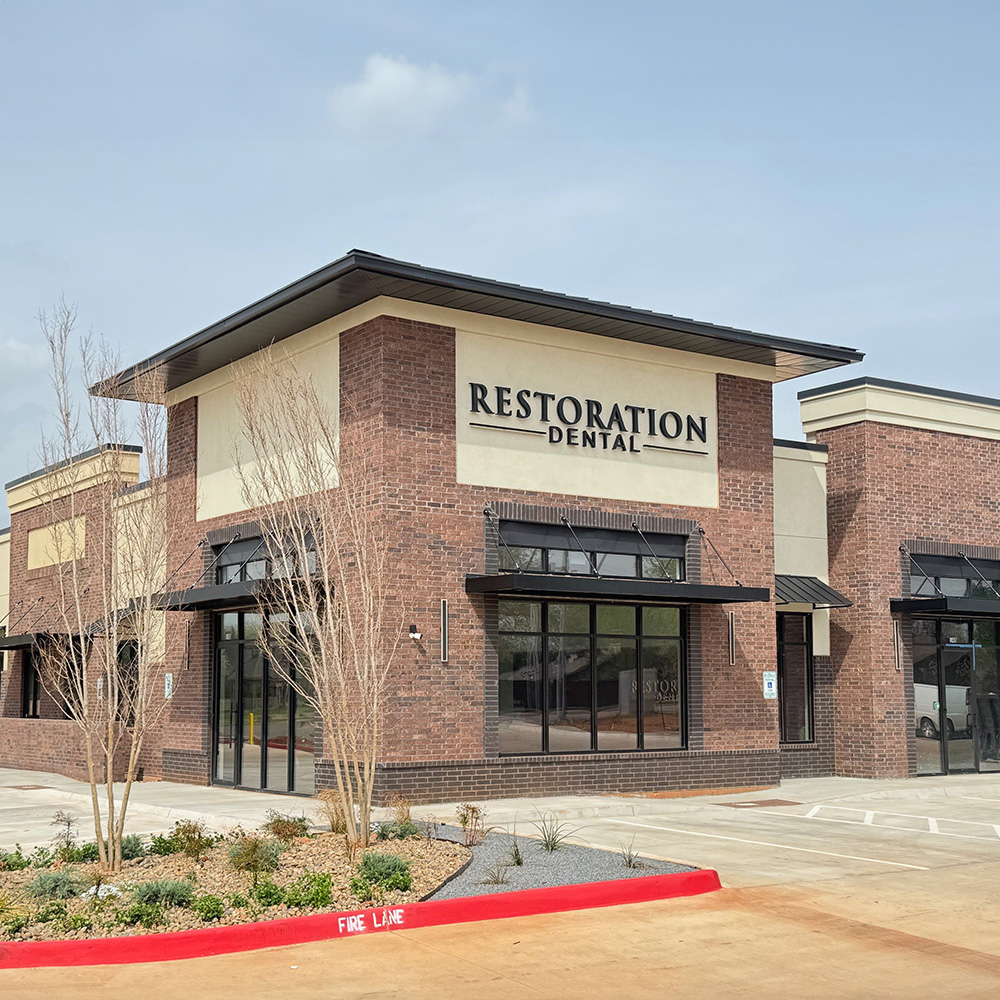
Ready to schedule your next appointment or learn more about our services?
Getting in touch with Restoration Dental is simple! Our welcoming staff is here to help you schedule appointments, answer questions about treatments, and address any concerns you may have. Whether you’d like to call or use our easy online contact form, we’re always ready to assist. Don’t wait to take the first step toward a healthier, more confident smile – contact us today and experience the difference of personalized dental care.