At the office of Restoration Dental, we blend artistic vision with clinical precision to design smiles that look natural and feel resilient. A smile makeover is more than cosmetic change; it is a tailored plan that addresses the appearance, health, and function of your teeth in concert. Whether discoloration, chips, gaps, worn enamel, or missing teeth are affecting your confidence, a thoughtfully executed makeover can restore balance and harmony to your smile while preserving long-term oral health.
A smile makeover begins with a full evaluation of your oral health and an exploration of your goals. We review how your teeth, gums, bite, and facial features interact so that cosmetic improvements complement, rather than compromise, overall function. This holistic approach helps identify not only visible imperfections but also underlying issues—such as bite misalignment or weakened tooth structure—that should be addressed before purely aesthetic work proceeds.
The range of treatments that can be combined in a makeover is broad. Minimally invasive options like professional whitening and tooth-colored bonding can correct stains and small chips. Porcelain veneers and ceramic crowns offer durable aesthetic transformations for teeth with more significant wear or structural concerns. When teeth are missing, restorative solutions such as bridges, dentures, or dental implants are integrated into the plan to reestablish proper chewing function and preserve jawbone health.
Ultimately, a successful makeover balances beauty with biological needs. Cosmetic improvement should never come at the cost of long-term stability. By sequencing treatments sensibly—stabilizing oral health first, then refining shape, color, and alignment—we create results that are attractive, maintainable, and dependable for years to come.
Every smile makeover is unique because every patient brings different priorities and anatomy to the chair. During your consultation, we listen carefully to the specific outcomes you want—whether that’s a whiter smile for special events, a more symmetrical tooth line, or a full rehabilitation after years of wear. Patient input is central: a collaborative planning process yields higher satisfaction and more natural-looking results.
Digital tools and detailed records play a key role in translating goals into a practical plan. Photographs, digital impressions, and a careful bite analysis allow your dentist to simulate changes and discuss realistic expectations. This visualization helps you weigh options—such as conservative bonding versus porcelain veneers—and understand the trade-offs in durability, appearance, and treatment time so you can make informed choices.
A clear roadmap also outlines the sequence of care. Health concerns such as decay or gum disease are treated first; orthodontic needs are addressed if alignment must change to support long-term outcomes. Once foundational issues are under control, cosmetic refinements and restorative work are scheduled in phases that minimize disruption while maximizing predictability and healing.
Finally, the plan includes maintenance strategies to protect your investment. Guidance on oral hygiene, protective appliances like night guards when needed, and routine monitoring ensure the improvements remain functional and beautiful for years to come.
Not every makeover requires extensive treatment. Conservative procedures can produce remarkable aesthetic gains while preserving tooth structure. Professional whitening is a fast, effective way to brighten the smile and can be combined with other treatments for coordinated results. Tooth-colored composite bonding repairs chips and small defects with a minimally invasive touch and is often completed in a single visit.
Porcelain veneers, while more involved, are an excellent choice when multiple front teeth need uniform color, shape, or alignment changes. Modern ceramic materials mimic the translucency and texture of natural enamel and resist staining when properly cared for. For teeth with structural compromise, ceramic crowns restore strength and form while delivering a lifelike appearance that blends seamlessly with adjacent teeth.
Choosing the right cosmetic modality depends on the existing condition of the teeth and the longevity you expect. A conservative-first philosophy favors treatments that achieve your aesthetic goals with the least alteration possible, reserving more extensive restorations for cases where durability and support are primary concerns.
When missing or severely damaged teeth are part of the picture, restorative dentistry becomes an essential element of a smile makeover. Replacing lost teeth not only improves appearance but also maintains facial proportions and prevents the bone loss that follows long-term tooth absence. Options range from fixed bridges and dentures to implant-supported restorations that mimic natural tooth roots for superior stability.
Dental implants are widely recognized for their durability and lifelike performance. They preserve adjacent teeth by avoiding the need for crowns on healthy neighbors, and they help maintain jawbone health through functional stimulation. For patients needing a full-arch solution, modern techniques such as All-on-X provide predictable, streamlined rehabilitation that restores both chewing ability and a confident smile.
Equally important is making sure restorative work integrates with your bite. Occlusal adjustments, balanced contacts, and careful material selection protect restorations from excessive wear or fracture. Restorative treatments are designed not just to look good, but to work well in harmony with your natural oral mechanics so you can enjoy a comfortable, long-lasting outcome.
Advances in dental technology make modern smile makeovers more predictable, comfortable, and precise than ever before. Digital impressions eliminate messy trays and provide highly accurate models for planning and fabrication. CBCT imaging and 3D diagnostics allow for detailed assessment when implants or complex restorative work are needed, improving safety and placement accuracy.
High-quality materials—such as monolithic zirconia, lithium disilicate ceramics, and advanced composite resins—offer a balance of strength and aesthetics. These materials are chosen based on the location of the tooth, the amount of bite force, and the desired translucency to achieve a natural look. Laboratory partnerships and in-office milling systems further streamline creation of restorations, reducing turnaround time without compromising fit or finish.
Comfort-enhancing measures are incorporated throughout treatment. Minimally invasive techniques, effective local anesthesia, and, when appropriate, sedation options help ensure predictable, low-stress appointments. Post-treatment protocols focus on gentle healing, patient education, and follow-up care to optimize integration and patient satisfaction.
Emphasizing both technology and technique results in outcomes that not only look excellent but also stand up to everyday life—eating, speaking, and smiling with confidence for many years.
In summary, a smile makeover is a personalized blend of aesthetics, function, and long-term planning. By starting with a careful evaluation, prioritizing conservative options when possible, and using modern restorative materials and technology, the practice creates results that are beautiful, durable, and aligned with each patient’s needs. If you’d like to learn more about how a smile makeover could address your concerns, please contact Restoration Dental for additional information and to schedule a consultation.


A smile makeover is a customized series of dental treatments designed to improve the appearance, function, and health of your teeth and gums. It is not a single procedure but a coordinated plan that addresses issues such as discoloration, chips, gaps, worn enamel, and missing teeth. At Restoration Dental the goal is to restore balance and harmony so your smile looks natural and performs well over time.
A successful makeover considers facial features, bite dynamics, and long-term oral health rather than focusing only on aesthetics. The process begins with a thorough evaluation to identify both visible concerns and underlying problems that could affect outcomes. When planned and sequenced correctly, a makeover delivers improvements that are attractive, maintainable, and predictable.
Good candidates are patients who have cosmetic or functional concerns that affect their confidence or oral health and who are committed to following a treatment and maintenance plan. Common motivators include stained or misshapen teeth, uneven spacing, bite problems, and teeth lost to decay or injury. Patients should be in reasonable overall oral health so foundational issues such as decay or gum disease can be addressed first.
A candidacy assessment also considers medical history, periodontal status, and expectations for longevity and appearance. Some patients require preparatory care—such as periodontal treatment or orthodontics—before cosmetic or restorative work begins. A thorough consultation helps determine whether a conservative approach or more comprehensive rehabilitation is the best route.
A smile makeover can combine conservative and restorative treatments depending on need; common components include professional whitening, tooth-colored composite bonding, porcelain veneers, ceramic crowns, orthodontic alignment with clear aligners, and implant-supported restorations for missing teeth. Dentures or fixed bridgework may be used when multiple teeth are absent, while minor contouring and gum reshaping can refine proportions. The selected combination is driven by the condition of the teeth and the patient’s aesthetic goals.
Treatment sequencing matters: health issues are treated first, then alignment or orthodontics if required, followed by color and shape refinements and finally definitive restorations. This staged approach maximizes predictability and protects tooth structure. Conservative options are prioritized when they achieve the desired result, reserving more extensive restorations for cases that truly need them.
Development of a personalized plan begins with a detailed consultation during which the dentist reviews your goals, medical and dental history, and performs a comprehensive exam of teeth, gums, and bite. Diagnostic records—photographs, digital impressions, and bite analysis—allow the team to simulate changes and present realistic options. Patient input is central to selecting the balance between conservative and restorative choices.
The plan outlines the sequence of care, estimated timelines for healing and treatment phases, and maintenance strategies to protect results. When necessary, specialists such as orthodontists or periodontists are coordinated to ensure interdisciplinary care. Clear communication about expectations and trade-offs helps patients make informed decisions and increases the likelihood of long-term satisfaction.
Timelines vary widely depending on the scope of work: simple cosmetic treatments like whitening and bonding can be completed in a few visits, while more comprehensive plans that include orthodontics, implants, or full-arch restorations can take months to over a year. Small procedures and provisional phases are often scheduled to minimize disruption and allow appropriate healing between stages. Digital planning and in-office fabrication can shorten laboratory turnaround for many restorations.
Factors that extend timelines include the need for gum treatment, bone grafting, orthodontic movement, or implant osseointegration. Each of these steps serves a biological purpose and cannot be rushed without compromising long-term success. Your dentist will provide a realistic schedule based on the chosen treatments and individualized healing needs.
Dental implants replace missing tooth roots and provide a stable foundation for single crowns, bridges, or full-arch restorations, restoring chewing function and facial support. Unlike removable options, implants help preserve jawbone volume by transmitting functional forces to the bone, which reduces long-term bone loss. They also avoid altering adjacent healthy teeth, making them a conservative choice for many restorative plans.
Implants are integrated into a comprehensive makeover when replacing one or more teeth is necessary for aesthetic or functional reasons. Treatment may include site preparation such as bone grafting or sinus augmentation when anatomy requires it, followed by a healing period before the final restoration is placed. When properly planned, implants reliably support long-lasting, natural-looking results.
Balancing aesthetics with health starts with a conservative-first philosophy: preserve healthy tooth structure whenever possible and treat underlying disease before cosmetic enhancements. Long-term stability depends on correct occlusion, strong supporting tissues, and appropriate material selection for each clinical condition. Good planning prevents premature wear, fracture, or recurrence of problems that could compromise the result.
Maintenance and protection are essential parts of the plan, including oral hygiene instruction, regular professional monitoring, and the use of night guards or other protective appliances when indicated. Patients are counseled on habits that affect longevity, such as avoiding excessive forces or stain-producing foods and behaviors. This combined clinical and behavioral approach helps sustain both beauty and function over time.
Modern technologies such as digital impressions, in-office CAD/CAM milling, and cone beam CT imaging improve accuracy, fit, and predictability across many procedures. Digital workflows allow for precise planning, better communication with dental laboratories, and visualization of anticipated results before irreversible steps are taken. These tools reduce chair time, enhance patient comfort, and contribute to more predictable aesthetics and function.
Advanced materials like lithium disilicate, monolithic zirconia, and improved composite resins offer a range of strength and translucency options to match the demands of different teeth and bite forces. Material choice is based on location, expected stress, and desired appearance to deliver durable, lifelike restorations. Comfort-focused measures, including effective anesthesia and sedation options when appropriate, further support a positive treatment experience.
After a smile makeover, consistent daily oral hygiene is the cornerstone of long-term success: brush twice a day with a fluoride toothpaste and floss or use interdental cleaners once daily to control plaque and protect restorations. Avoiding tobacco and moderating consumption of stain-causing foods and beverages will help maintain color and surface integrity. Your dentist may recommend specific products or techniques tailored to the materials used in your restorations.
Routine professional care is also important; regular examinations and cleanings allow early detection of wear, recurrent decay, or issues with restorations so they can be managed before they become serious. Protective measures such as night guards for bruxism or bite adjustments can prevent excessive wear and extend the lifespan of cosmetic work. Follow-up visits and adherence to the recommended maintenance schedule help preserve both health and appearance.
To explore whether a smile makeover fits your needs, schedule a consultation to discuss goals, undergo a comprehensive oral exam, and review diagnostic records that clarify your options. The initial visit typically includes photographs, digital impressions or scans, and a bite assessment so your provider can present a personalized plan and explain the sequence of care. Expect a clear discussion of conservative versus restorative choices and what each approach involves.
If you would like to move forward, the consultation also outlines follow-up appointments, preparatory care if needed, and maintenance recommendations to protect your investment. Contact Restoration Dental to arrange a consultation and learn more about the specific steps we recommend for your smile goals. Our team will help you understand the process and what to expect at each phase.
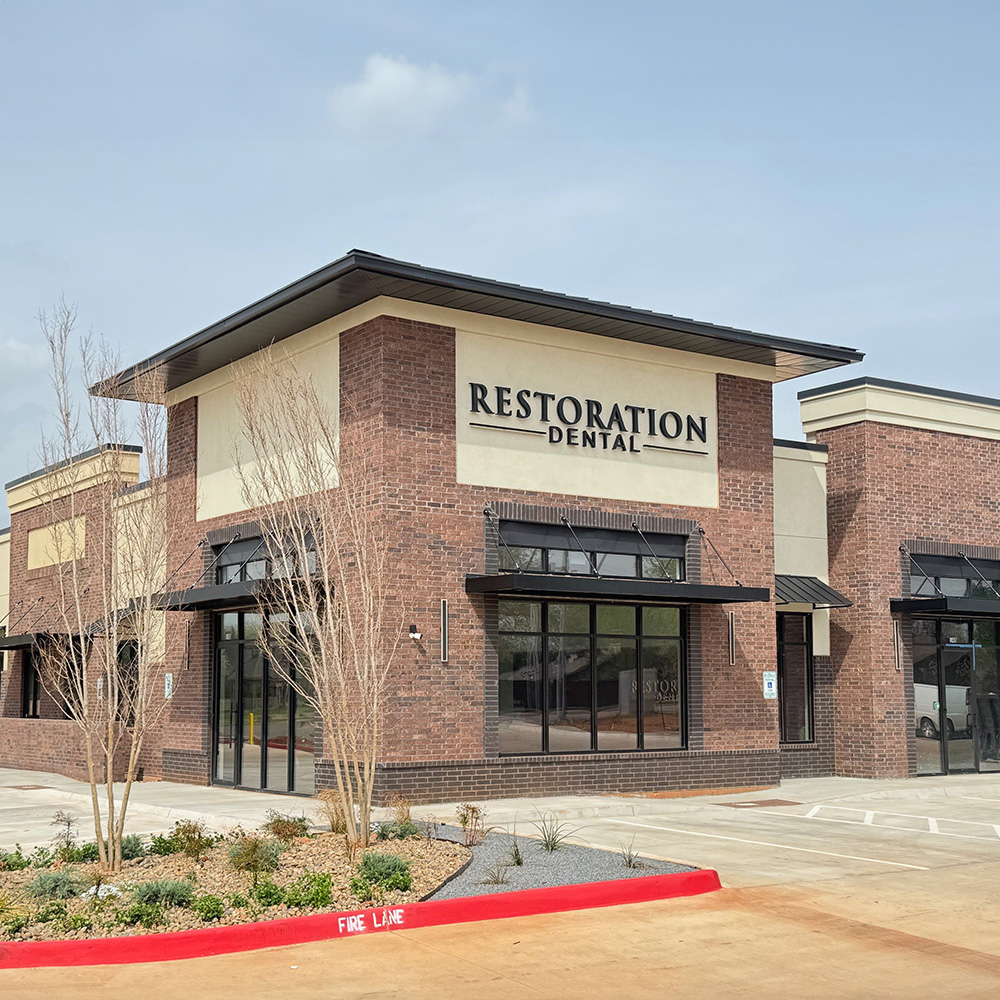
Ready to schedule your next appointment or learn more about our services?
Getting in touch with Restoration Dental is simple! Our welcoming staff is here to help you schedule appointments, answer questions about treatments, and address any concerns you may have. Whether you’d like to call or use our easy online contact form, we’re always ready to assist. Don’t wait to take the first step toward a healthier, more confident smile – contact us today and experience the difference of personalized dental care.