All-On-X is a modern approach to replacing an entire upper or lower dental arch by anchoring a fixed prosthesis to a small number of dental implants. Instead of removing and refitting removable dentures, the All-On-X strategy secures a full-arch bridge to four to six implants that distribute biting forces evenly across the jaw. The result is a permanent restoration that looks like natural teeth and restores core oral functions such as chewing and speaking.
Every treatment begins with a thorough clinical evaluation to establish whether the All-On-X approach is the right match for your anatomy and goals. We consider jawbone volume, gum health, bite relationships, and overall medical history to create a safe, predictable plan. When indicated, this method can often avoid more invasive preparatory procedures while delivering a stable long-term outcome.
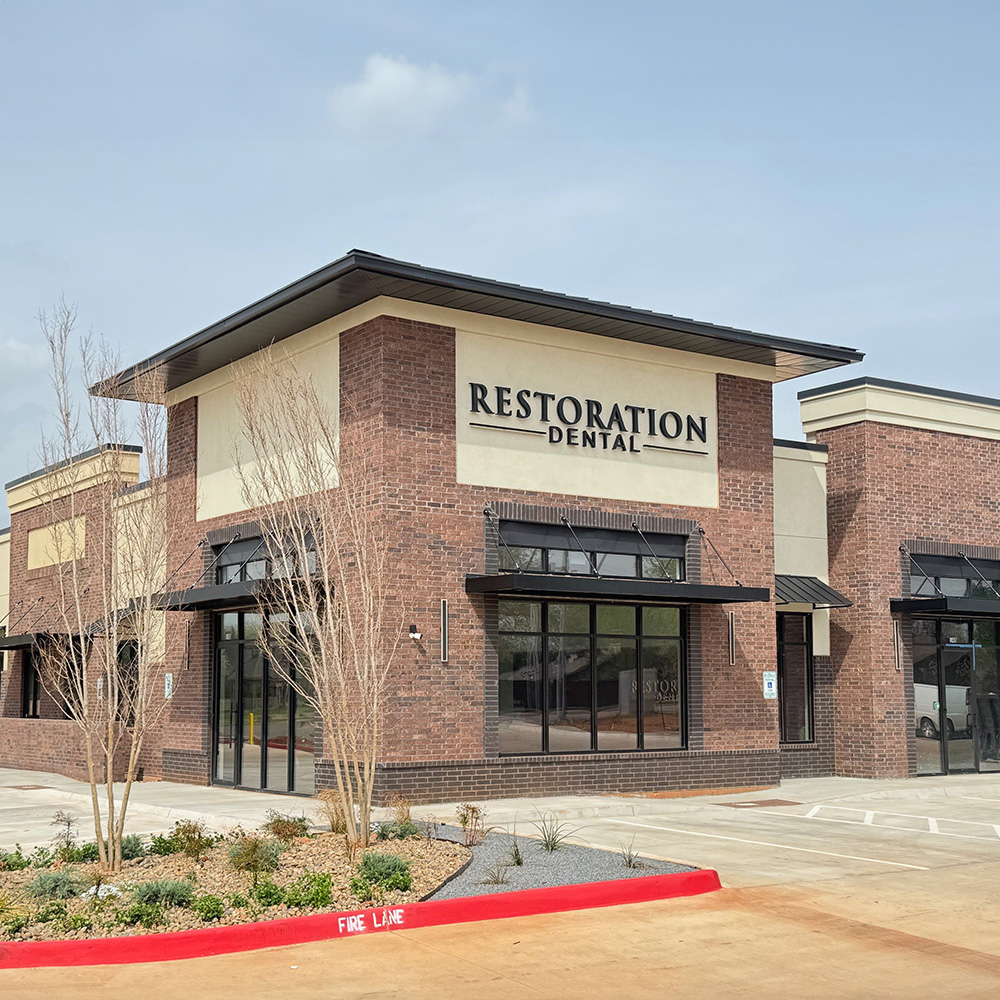
At the office of Restoration Dental, our focus is on designing full-arch solutions that prioritize comfort, function, and a natural appearance. That starts with listening to your priorities and explaining the steps involved so you know what to expect—before, during, and after the procedure.
Successful All-On-X treatment relies on careful surgical planning. Cone-beam computed tomography (CBCT) and digital imaging allow clinicians to visualize bone volume and important anatomical landmarks in three dimensions. This technology supports precise implant placement, optimizing implant length, angulation, and position to maximize stability and minimize risk to nerves and sinuses.
Computer-guided surgical planning transforms diagnostic images into a detailed blueprint for the procedure. Guided stents or navigation systems translate that plan into the operatory, enabling consistent implant placement that matches the preoperative design. This level of precision improves prosthetic fit and predictable load distribution for the restorative arch.
Digital workflows also enhance communication between the surgical team and the dental laboratory. From virtual models to digitally crafted provisional restorations, integrated planning shortens turnaround times and reduces guesswork, helping ensure the provisional and final prostheses meet both functional and aesthetic goals.
One of the most valuable features of the All-On-X approach is the ability to receive a fixed provisional restoration on the same day as implant placement. After the implants are positioned, a temporary full-arch prosthesis can be attached to restore appearance and masticatory function immediately. This eliminates the extended period without teeth that often accompanies traditional implant timelines.
While the provisional bridge provides immediate function, the underlying implants still require time to integrate with the jawbone—a biological process called osseointegration. During the healing phase, patients follow a tailored care plan that balances gentle use with appropriate dietary guidance to support successful integration and protect the implants and soft tissues.
Once healing is complete and the surgical site has stabilized, the provisional restoration is replaced with a definitive prosthesis custom-crafted for long-term fit and aesthetics. That final stage refines bite relationships, shade, and contours so the restoration blends seamlessly with remaining dentition or facial characteristics.
An All-On-X prosthesis transfers chewing forces through the implants into the jawbone in a way that closely mimics natural teeth. This stability eliminates many common issues associated with removable dentures, such as slipping, sore spots, or the need for adhesives. Patients can perform everyday activities—eating a variety of foods, speaking clearly, and smiling—without the concerns that denture wearers often face.
Beyond the immediate improvement in function, properly placed implants help preserve underlying bone by stimulating bone tissue where natural roots are absent. This preserves facial support and can prevent the gradual facial changes that occur with long-term tooth loss. A well-designed full-arch prosthesis also addresses aesthetic considerations, restoring tooth proportions and lip support to create a balanced facial profile.
Maintenance of an All-On-X restoration combines daily hygiene with periodic professional follow-up. Routine cleaning around the implants and scheduled examinations allow clinicians to monitor tissue health, occlusion, and the integrity of the prosthesis so small issues can be addressed before they become larger concerns.
The clinical success of an All-On-X restoration depends on both the quality of the surgical and prosthetic work and ongoing patient care. Good oral hygiene, including interdental cleaning where appropriate and professional maintenance visits, supports tissue health and helps extend the service life of the prosthesis. Regular evaluations also allow for timely management of wear, repairs, or adjustments.
Material and design choices for the final prosthesis are selected to balance durability, aesthetics, and ease of maintenance. Your care team will discuss the recommended design and materials based on functional needs and lifestyle, ensuring the chosen solution aligns with long-term oral health objectives.
When performed and maintained correctly, All-On-X restorations offer a durable option for people needing full-arch replacement. With a structured maintenance plan and routine clinical oversight, this approach provides predictable performance and helps protect overall oral health well into the future.
In summary, All-On-X is a thoughtful, technologically driven solution for full-arch tooth replacement that combines careful planning, same-day provisional restoration, and long-term prosthetic care. If you would like to learn more about whether All-On-X may be appropriate for your situation, please contact us for more information.


All-On-X is a modern full-arch solution that secures a fixed prosthesis to a small number of implants, typically four to six, to replace an entire upper or lower arch. Unlike removable dentures, the prosthesis is anchored to implants and remains fixed in the mouth for daily function and esthetics. This approach focuses on distributing biting forces across strategically placed implants to improve stability and chewing efficiency. Restoration Dental offers the All-On-X approach as a way to restore function and appearance for patients who need full-arch replacement.
The technique can often avoid more invasive preparatory surgeries by using angled implants and modern planning to maximize existing bone. Immediate provisional restorations are commonly used so patients do not have an extended period without teeth after surgery. Treatment is individualized based on anatomy, oral health, and patient goals to ensure predictable long-term results.
Good candidates are people with extensive tooth loss or failing dentition who want a fixed full-arch solution rather than removable appliances. Clinicians evaluate bone volume, gum health, bite relationships and overall medical history to determine candidacy. Conditions such as uncontrolled diabetes, heavy smoking or certain systemic illnesses may require additional medical management before implant therapy. A CBCT scan and clinical exam are essential to assess anatomic suitability.
Patients with insufficient bone may still be candidates after bone grafting or modified implant angulation depending on the case. Age alone is not a contraindication; candidacy depends on overall oral and systemic health and realistic treatment expectations. A thorough consultation with the dental team will clarify whether All-On-X is the best long-term option or if alternative restorations are preferable.
Successful All-On-X treatment begins with comprehensive digital planning that includes cone-beam computed tomography (CBCT) and intraoral scans to create a three-dimensional map of the jaw. These diagnostic tools help optimize implant position, depth and angulation while identifying critical anatomy such as nerves and sinuses. Computer-guided surgical plans translate virtual designs into the operatory using guided stents or navigation systems to improve accuracy and predictability. The practice coordinates closely with the dental laboratory to design provisional and final prostheses that meet functional and aesthetic goals.
Digital workflows shorten turnaround times and reduce surprises by allowing the surgical and prosthetic teams to refine the plan together before surgery. Precise planning also minimizes the risk to nerves and sinuses and helps select implant lengths that maximize stability in available bone. For patients who prefer reduced anxiety during the procedure, the team may discuss comfort measures such as IV sedation as part of the preoperative plan.
Many All-On-X protocols offer an immediate provisional prosthesis that can be attached on the same day as implant placement to restore appearance and basic function. This immediate loading provides patients with a fixed set of teeth during the critical healing period and avoids the aesthetic and functional limitations of removable dentures. The provisional is designed to protect the implants while allowing controlled use of the mouth, and it is not the final prosthesis.
Even with same-day teeth, osseointegration is an ongoing biological process and patients must follow dietary and care instructions to protect the implants. The provisional will be monitored and adjusted as needed during follow-up visits and later replaced with a definitive restoration once healing is complete. Your clinician will explain specific precautions and timelines based on surgical stability and individual healing.
The healing phase after All-On-X focuses on implant osseointegration and soft tissue recovery, typically monitored through scheduled postoperative visits. Patients are advised to follow a progressive diet and avoid excessive forces on the new arch while integration occurs. Gentle oral hygiene, including careful cleaning around implant abutments, supports tissue health without disrupting healing. Adhering to clinician instructions reduces the risk of complications during this critical period.
Professional follow-up includes soft tissue checks, occlusion assessment and adjustments to the provisional prosthesis as needed to promote long-term success. The dental team will provide a recovery timeline and tailored instructions, including when to transition to a more varied diet and how to perform interdental cleaning safely. Compliance with these recommendations helps reduce complications and supports predictable outcomes.
The number of implants used in All-On-X—commonly four or six—depends on bone quality, arch size and the planned prosthetic design. Fewer implants can be used strategically with angled placement to engage more bone, while additional implants may be selected to provide extra redundancy and support. The chosen implant positions are planned to distribute occlusal loads evenly and reduce stress on any single fixture. This planning helps achieve a stable foundation for the prosthesis and supports long-term function.
Clinicians balance implant number with prosthetic materials and expected functional demands to achieve durable performance and patient comfort. During planning, the team will explain why a specific implant count is recommended for your anatomy and how it affects long-term maintenance and predictability. Ultimately, individualized planning ensures implant number aligns with clinical goals and anatomical realities.
Provisional restorations are often made from acrylic or composite materials attached to a titanium framework to allow easy adjustments during healing. Final prostheses are commonly fabricated from stronger materials such as monolithic zirconia or hybrid designs that combine a metal substructure with tooth-colored ceramics for strength and esthetics. Material selection considers wear resistance, esthetic goals and reparability to meet the patient’s lifestyle and functional needs. The team will recommend options that balance durability with hygiene access.
A titanium bar or framework provides robust support and connects the implants, while ceramic or composite teeth provide natural-looking contours and color. The dental team will discuss the advantages and trade-offs of different materials, including maintenance considerations and how each option aligns with long-term oral health objectives. Selecting the right design helps balance durability, hygiene access and the overall appearance of the final restoration.
By transmitting chewing forces into the jawbone, implants help preserve bone volume and minimize the resorption that commonly occurs with long-term tooth loss. Maintaining bone height supports facial structure and can prevent the collapsing appearance associated with conventional dentures. Properly placed implants therefore contribute not only to function but also to long-term facial support. This structural benefit is one of the primary advantages of fixed implant-based restorations.
When bone is insufficient, bone grafting or sinus lift procedures may be considered to create a stable foundation for implants and improve long-term prognosis. The treatment plan will detail any preparatory procedures and how they affect timing and the overall sequence of rehabilitation. Continuous monitoring ensures bone and soft tissues remain healthy and that the prosthesis continues to support the facial profile over time.
Long-term success of an All-On-X restoration depends on daily hygiene routines and periodic professional maintenance to monitor tissue health and prosthetic integrity. Recommended home care often includes the use of interdental brushes, floss designed for implant prostheses, and water irrigation systems to clean under and around the arch. Maintaining healthy gums is essential to prevent peri-implant disease and to protect the supporting bone. Consistent home care reduces the likelihood of complications and preserves the restoration’s performance.
Routine clinical visits allow the team to check occlusion, tighten or replace components if needed, and identify wear or damage early before it becomes a larger issue. The practice will provide a maintenance schedule tailored to your restoration, addressing cleaning techniques, frequency of recall visits and what signs to report between appointments. Proactive care and timely professional attention help extend the service life of the prosthesis and preserve oral health.
To determine whether All-On-X is appropriate, schedule a consultation for a comprehensive oral examination, medical history review and CBCT imaging as needed. During the visit, the team will discuss your goals, review diagnostic findings and outline a step-by-step treatment plan that includes surgical and prosthetic phases. The consultation is also an opportunity to meet the clinicians, ask about sedation and comfort options, and review the expected timeline for provisional and final restorations. This personalized evaluation helps establish realistic expectations and a clear path forward.
Restoration Dental’s team will provide clear recommendations based on anatomy and long-term oral health objectives and will coordinate care with skilled laboratory partners to achieve the planned outcome. If All-On-X is not the best fit, the team will explain alternative options and next steps to help you make an informed decision about full-arch replacement. Contact the office to arrange a consultation so the team can begin a tailored evaluation and answer any additional clinical questions.
Ready to schedule your next appointment or learn more about our services?
Getting in touch with Restoration Dental is simple! Our welcoming staff is here to help you schedule appointments, answer questions about treatments, and address any concerns you may have. Whether you’d like to call or use our easy online contact form, we’re always ready to assist. Don’t wait to take the first step toward a healthier, more confident smile – contact us today and experience the difference of personalized dental care.