If your smile is failing you in multiple ways—broken teeth, chronic pain, difficulty chewing, or a combination of functional and cosmetic issues—a coordinated plan can restore comfort, function, and confidence. Full mouth reconstruction is not a single procedure but a carefully sequenced program of care tailored to each patient’s needs. At Restoration Dental, we focus on predictable, long-term results that balance appearance, bite function, and oral health.
Full mouth reconstruction describes a comprehensive set of restorative treatments designed to rebuild and restore every tooth in both arches when necessary. The objective is to reestablish healthy chewing function, optimize the bite, and create a stable foundation for long-term oral health. This often involves a combination of restorative, periodontal, orthodontic, and surgical therapies rather than one isolated treatment.
Because reconstruction affects how the teeth, jaws, and soft tissues interact, planning emphasizes function as much as form. The goal is not only to improve the cosmetic appearance of the smile but to address underlying problems—such as worn teeth from grinding, collapsed bite relationships, or failing restorations—that can lead to pain, difficulty eating, and progressive damage if left untreated.
Successful outcomes depend on a step-by-step strategy: comprehensive diagnostics, careful sequencing of procedures, and ongoing monitoring. When executed thoughtfully, a full mouth reconstruction can transform comfort, speech, and facial support while providing a durable, natural-looking smile.
Candidates for full mouth reconstruction are patients with complex dental needs that affect more than one tooth or quadrant of the mouth. Typical scenarios include widespread tooth loss, severe decay affecting multiple teeth, advanced wear from bruxism (tooth grinding), traumatic injury, or complications from prior dental work. Patients who have medical or congenital conditions that compromise tooth structure may also benefit from a comprehensive approach.
It is also appropriate for people experiencing jaw pain, frequent dental failures, or bite problems that contribute to head, neck, or facial discomfort. A key part of the evaluation is determining whether the source of the problem is primarily structural (teeth and bone), functional (bite and muscle), or a combination—because the correct diagnosis guides the entire treatment plan.
Age alone is not a limiting factor; health status, oral hygiene capability, and realistic expectations are more important considerations. The ideal candidate is someone committed to follow-up care and preventive maintenance, since long-term success depends on a partnership between the dental team and the patient.
Every reconstruction begins with a thorough evaluation: medical and dental history, clinical examination, digital x-rays, and often three-dimensional imaging when needed. Precise records—photographs, bite registrations, and digital impressions—help the team analyze tooth wear patterns, evaluate jaw relationships, and plan restorations that restore proper function and aesthetics.
From there, we develop a staged plan that sequences therapy logically: stabilizing urgent problems, treating active disease such as decay or gum infection, and then progressing to restorative and prosthetic phases. When implants, bone grafts, or orthodontics are necessary, we coordinate with trusted specialists to ensure each step supports the overall treatment goals.
Patient comfort and safety are integral to planning. The office offers sedation options for those with dental anxiety or complex procedures, and we always review anticipated timelines, recovery expectations, and the rationale for each phase so patients understand how each component contributes to the final result.
Full mouth reconstruction can incorporate a wide range of restorative solutions depending on the clinical requirements. Options commonly include crowns and bridgework to restore broken or weakened teeth, dental implants to replace missing roots and support fixed restorations, and implant-supported dentures for stable full-arch replacement. Periodontal therapy and bone grafting may be necessary to create a healthy foundation for these treatments.
We rely on contemporary tools—digital impressions, CAD/CAM design, and precision surgical planning—to improve fit, function, and predictability. For example, same-day ceramic restorations and computer-designed occlusal schemes can reduce the number of visits and provide durable, esthetic results. When implants are part of the plan, three-dimensional imaging helps assess bone volume and guides accurate implant placement.
Beyond hardware, attention to occlusion (how teeth come together), facial proportions, and esthetic balance is crucial. Restorations are designed not only to replace missing structure but to support proper jaw function and minimize future wear. The team’s restorative expertise ensures each element integrates with the whole-mouth plan for stability and longevity.
Recovery varies by procedure but typically includes short-term follow-up visits to monitor healing and make adjustments. Implant sites require an initial healing period before final restorations are placed, while crowns and bridges may involve provisional restorations to test function and comfort. During recovery, clinicians provide clear home-care instructions and temporary dietary guidance to protect healing tissues.
Long-term success depends heavily on maintenance: routine dental cleanings, personalized home hygiene, and periodic exams to inspect restorations and monitor bite relationships. Patients who grind their teeth may benefit from protective appliances such as nightguards to reduce wear and protect new restorations. Periodic imaging and checkups help catch emerging issues early, preventing small problems from becoming large ones.
Behavioral and lifestyle factors also influence outcomes. Smoking cessation, good blood sugar control for diabetic patients, and adherence to oral hygiene recommendations all contribute to healing and the lifespan of restorations. Our team provides practical guidance and a maintenance schedule tailored to each patient’s risk profile.
With careful planning, skilled execution, and ongoing preventive care, full mouth reconstruction can provide durable improvements in function, comfort, and appearance. If you’d like to learn more about how comprehensive restorative care could help your smile, please contact us for additional information and to discuss the next steps.


Full mouth reconstruction is a comprehensive program of restorative care designed to rebuild and restore the teeth and support structures in both dental arches when necessary. It is not a single procedure but a coordinated sequence of treatments that address functional problems, structural damage, and aesthetic concerns. The primary goals are to restore comfortable chewing, improve bite relationships, and create a stable foundation for long-term oral health.
Planning emphasizes both function and appearance because how teeth, jaws, and soft tissues interact affects comfort and durability. Successful reconstruction begins with careful diagnostics, a logical sequence of treatments, and ongoing monitoring to ensure predictable outcomes. When executed thoughtfully, full mouth reconstruction can improve speech, facial support, and overall quality of life while delivering a natural-looking smile.
Good candidates are patients who have multiple failing restorations, widespread tooth loss, severe decay, advanced wear from bruxism, traumatic injury, or bite problems that affect more than a single tooth or quadrant. People with medical or developmental conditions that compromise tooth structure may also benefit from a comprehensive approach. A key part of candidate evaluation is determining whether the issue is structural, functional, or a combination of both, because the diagnosis guides the entire plan.
Age alone is not a limiting factor; overall health, oral hygiene capability, and realistic expectations are more important considerations. Ideal candidates are committed to the recommended treatment sequence and to ongoing preventive care. That partnership between patient and dental team is essential for long-term success.
Diagnosis begins with a thorough medical and dental history and a detailed clinical examination to identify active disease and structural problems. Digital x-rays, three-dimensional CBCT imaging when indicated, clinical photographs, bite registrations, and digital impressions provide the precise records needed to analyze tooth wear, jaw relationships, and bone volume. These data allow the team to design restorations that restore proper function and esthetics while anticipating potential challenges.
Careful diagnostic planning also includes evaluating the airway, temporomandibular joint function, and soft-tissue support to ensure a holistic approach. The team uses these records to sequence therapy logically, stabilize urgent issues, and determine when specialist referrals for orthodontics, periodontics, or oral surgery are appropriate. Patients receive a clear explanation of each diagnostic finding and how it influences the proposed treatment plan.
Reconstruction often involves a combination of crowns and bridgework to restore broken or weakened teeth and dental implants to replace missing roots and support fixed restorations. Periodontal therapy and bone grafting may be necessary to establish a healthy foundation, while endodontic treatment can save teeth that would otherwise be lost. Orthodontics or occlusal equilibration can be incorporated to correct bite relationships when necessary.
Modern technologies such as digital impressions, CAD/CAM fabrication, and computer-guided implant planning improve the precision and predictability of these procedures. Provisional restorations are commonly used to test function and comfort before finalizing esthetics and occlusion. The restorative plan is tailored so each element integrates with the whole-mouth strategy for stability and longevity.
Timeline depends on the complexity of the case and the specific procedures involved, so treatment may range from several months to a year or more. Initial phases often focus on stabilizing urgent problems and treating active disease such as decay or gum infection before moving to restorative and prosthetic phases. When dental implants or bone grafts are required, additional healing time is needed for osseointegration and tissue maturation.
The team provides an individualized timeline at consultation that outlines the sequence of appointments, expected healing intervals, and milestones for provisional and final restorations. Patient health, compliance with instructions, and the need for coordination with specialists can all influence timing. Clear communication about the plan and realistic expectations helps patients prepare for the process.
Recovery varies by procedure but typically includes short-term follow-up visits to monitor healing and to make adjustments to provisional restorations. Implant sites require a healing period prior to placement of final prosthetics, while crowns and bridges may involve provisional restorations to test function and esthetics. During recovery, clinicians provide specific home-care instructions and temporary dietary recommendations to protect healing tissues.
Long-term success depends on regular maintenance visits, personalized home hygiene, and periodic exams to inspect restorations and monitor bite relationships. Patients who grind their teeth may be fitted with protective appliances such as nightguards to reduce wear and protect new restorations. Periodic imaging and checkups help detect emerging issues early and preserve results over time.
As with any comprehensive dental treatment, risks include postoperative infection, sensitivity, delayed healing, occlusal problems, and the possibility of restoration or implant failure in a small number of cases. Careful planning, sterile technique, and appropriate antibiotic or anti-inflammatory regimens when indicated reduce these risks. Thorough evaluation of medical history and lifestyle factors also helps anticipate and mitigate potential complications.
If complications arise, they are addressed promptly with targeted measures such as occlusal adjustments, repairs or remakes of restorations, retreatment of endodontic issues, or management of infection with medications and local care. Complex problems may require coordination with specialists for surgical or periodontal interventions. Regular follow-up and clear communication enable early detection and timely correction of issues to support long-term outcomes.
Dental implants serve as artificial tooth roots that anchor fixed restorations and help preserve jawbone by transmitting functional loads into the bone. In many full mouth reconstructions, implants replace missing teeth or support full-arch prosthetics such as implant-supported bridges or All-on-X solutions for stable, long-term function. Three-dimensional imaging and guided surgical planning are commonly used to assess bone volume and optimize implant positioning for predictable results.
Implant treatment is typically staged to allow for osseointegration and soft-tissue healing before final restorations are placed. Temporary prosthetics help evaluate function and esthetics during the healing period, and the final prosthesis is designed to integrate with occlusal schemes that protect both implants and natural teeth. Coordination between restorative and surgical teams ensures each implant supports the overall treatment objectives.
Comfort options commonly include local anesthesia for routine procedures, nitrous oxide for mild to moderate anxiety, and intravenous (IV) sedation for longer or more complex surgeries. The clinical team’s experience with sedation techniques helps patients undergo necessary treatment in a relaxed and controlled environment. Sedation choice is based on the patient’s medical history, anxiety level, and the anticipated duration and invasiveness of the procedure.
Safety is a priority, so the team reviews medical history, medications, and recovery instructions before recommending sedation. Patients receiving deeper sedation are monitored throughout the procedure and given clear post-procedure guidance for recovery and transportation. Discussing comfort preferences during the consultation helps tailor an approach that supports both patient well-being and clinical needs.
Prepare by gathering your medical history, a list of current medications and allergies, and any recent dental records or x-rays if available. Think about your goals, concerns, and any specific functional or cosmetic issues you want to address so the team can align the treatment plan with your expectations. Photographs of your smile or descriptions of symptoms such as pain, sensitivity, or difficulty chewing can help the clinician identify priority areas during the first visit.
At the consultation the dental team will explain recommended diagnostic tests, outline possible treatment sequences, and discuss recovery and maintenance expectations. If you choose to proceed, the office will schedule necessary records and any specialist visits required to coordinate care. You can begin the process with a consultation at Restoration Dental's Edmond office to receive a personalized evaluation and next steps.
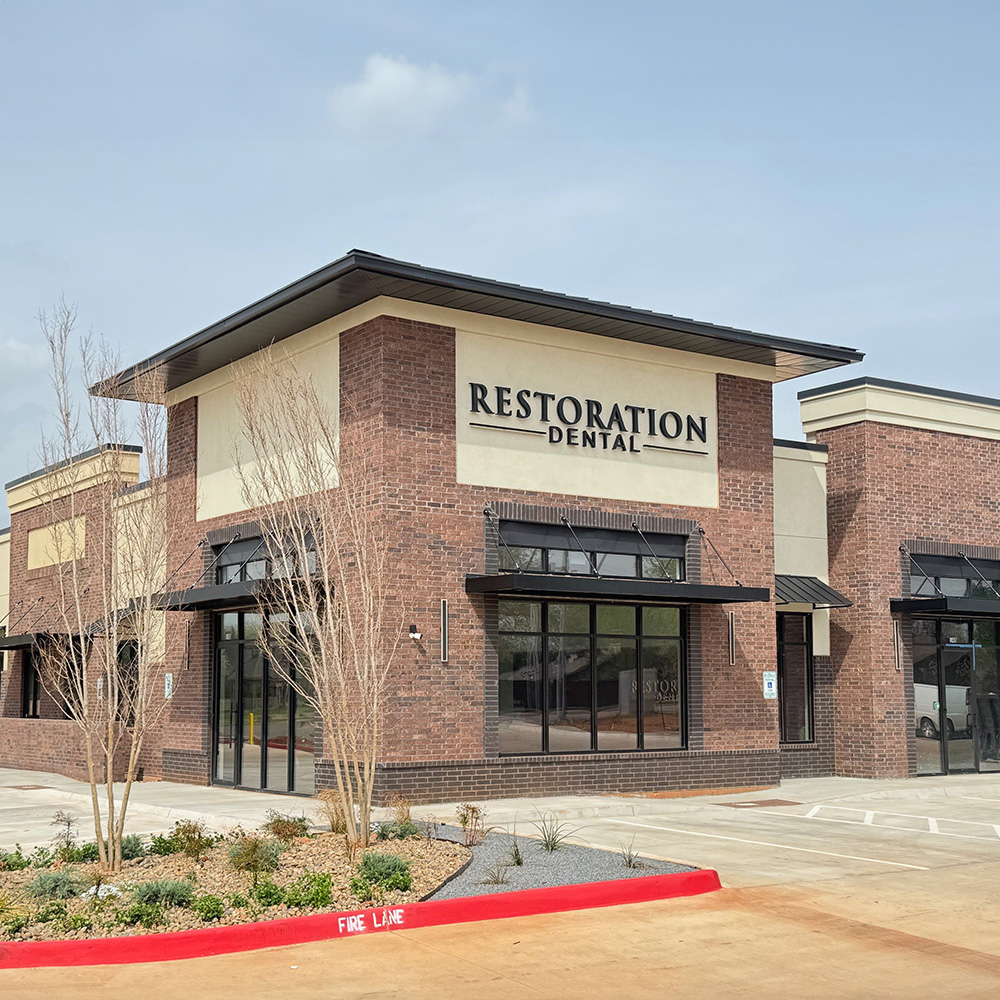
Ready to schedule your next appointment or learn more about our services?
Getting in touch with Restoration Dental is simple! Our welcoming staff is here to help you schedule appointments, answer questions about treatments, and address any concerns you may have. Whether you’d like to call or use our easy online contact form, we’re always ready to assist. Don’t wait to take the first step toward a healthier, more confident smile – contact us today and experience the difference of personalized dental care.