Millions of people live with one or more missing teeth, and the effects compound over time — from chewing challenges to gradual changes in facial support and bite alignment. Contemporary implant dentistry offers a predictable way to restore both function and appearance by replacing missing roots as well as the visible tooth structure. When thoughtfully planned and skillfully placed, implants recreate the stability and feel of natural teeth so patients can eat, speak, and smile with confidence.
Each treatment starts with a comprehensive evaluation that considers your oral health, medical history, and personal goals. Our team assesses bone volume, gum health, and the position of neighboring teeth to recommend the implant pathway that best fits your needs. This individualized approach helps ensure durable results and a restoration that integrates seamlessly into daily life.
Whether a single tooth is missing or several teeth need to be replaced, modern implant options allow for tailored solutions that minimize disruption to healthy teeth and preserve long-term oral health. The team at Restoration Dental combines advanced diagnostic tools with conservative treatment planning to deliver outcomes that prioritize comfort, longevity, and natural aesthetics.

Unlike removable prostheses that rest on the gums, dental implants are anchored into the jawbone and act like artificial tooth roots. This foundational support transfers chewing forces into the bone the same way natural roots do, which preserves bone volume and maintains facial contours. For patients, that means greater biting force, more comfortable chewing, and a stable restoration that doesn’t shift during everyday activities.
Implant restorations are versatile: they can support single crowns, multi-unit bridges, and both fixed and removable full-arch prostheses. Because implants free adjacent teeth from being prepared for bridgework, they are often the most conservative choice for replacing lost teeth while protecting the health of remaining natural dentition.
Successful implant treatment depends on osseointegration — the direct, stable connection that forms between titanium implants and the surrounding bone. Over a healing period, living bone grows around the implant surface, creating a durable interface that behaves much like a natural tooth root. This biologic process is the foundation for the long-term strength and stability that make implants a preferred option for tooth replacement.
Modern implant materials and surface technologies have improved the predictability of this healing process. Careful surgical technique and thoughtful timing of prosthetic phases help encourage predictable integration while minimizing complications. When integration is complete, the implant can reliably support crowns, bridges, or denture systems designed for daily use and longevity.
Dental implants offer a combination of functional, aesthetic, and biological advantages that distinguish them from traditional bridges and removable dentures. Because they replace the tooth root, implants help preserve underlying bone and prevent the progressive bone loss that often follows tooth extraction. That preservation contributes to a more youthful facial profile and helps maintain a predictable foundation for future restorative work.
From a day-to-day perspective, implants restore the confidence to eat most foods, speak without concern for slippage, and smile without worrying about movement. With proper oral hygiene and routine professional care, implant restorations are designed to last for many years, making them a durable option for people seeking a long-term solution to tooth loss.
Implant dentistry offers a spectrum of options that can be matched to the number of missing teeth and the patient’s overall goals. For a single missing tooth, an implant topped with a ceramic crown provides a discreet, standalone restoration that preserves neighboring teeth. For several adjacent missing teeth, implant-supported bridges restore continuity without sacrificing healthy enamel.
When more extensive replacement is required, fixed full-arch restorations or implant-retained dentures offer life-changing stability. These approaches use strategically placed implants to support a full set of replacement teeth — providing a fixed, non-removable solution in many cases or a more secure removable prosthesis when preferred.
Good implant outcomes begin with a thorough consultation and diagnostic workup, which usually includes digital x-rays and three-dimensional imaging to evaluate bone volume and anatomic structures. Your clinician will review your overall health, medications, and oral hygiene habits to ensure the implant path is appropriate and safe. When additional preparation such as tooth extractions, gum treatment, or bone grafting is necessary, these steps are planned to create the best possible environment for implant success.
Implant placement is typically performed on an outpatient basis and can be accomplished under local anesthesia, sometimes with sedation for added comfort. After the implant is positioned, a healing period allows osseointegration to occur; depending on the case, a provisional restoration may be provided for esthetics and function during healing. Once integration is confirmed, the final prosthesis is designed and fitted to achieve optimal bite, speech, and appearance.
When jawbone volume has diminished, grafting techniques can rebuild the ridge and create a stable foundation for implants. Bone grafting is a routine and well-established step that enhances the predictability of implant placement and long-term success. Your dentist will explain any recommended preparatory treatments and how they fit into the overall timeline so you can make informed decisions about the sequence of care.
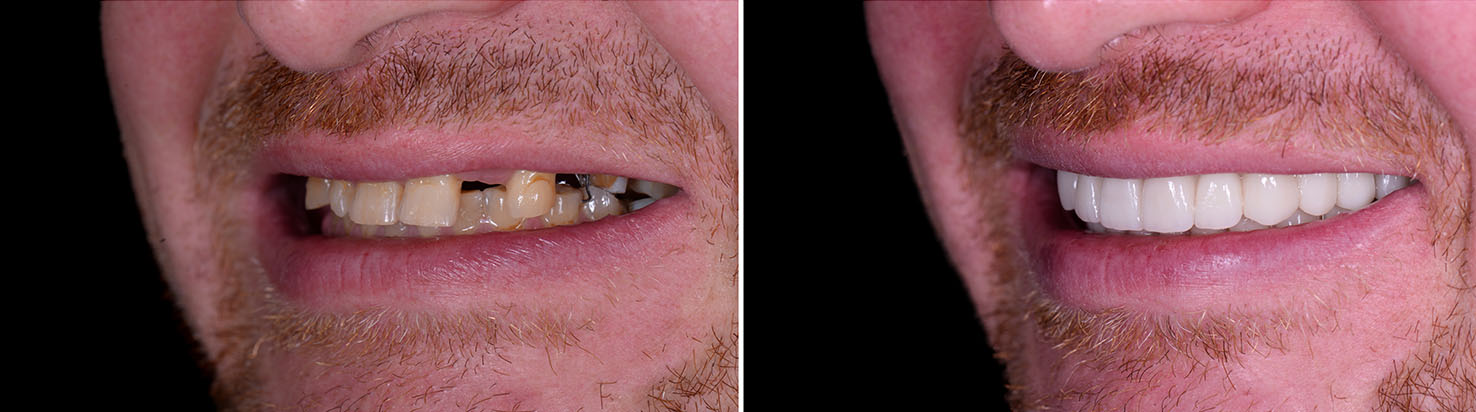
After treatment, maintaining excellent oral hygiene and attending regular professional check-ups are essential to protecting implant health. Routine cleanings, periodic assessments of the implant interface, and attention to soft tissue health help detect early issues and keep restorations performing well over time. With cooperative home care and scheduled maintenance, implants can remain a stable and satisfying solution for many years.
When you’re ready to explore whether implants are right for your smile, a careful evaluation and clear treatment plan will outline the best route forward. At Restoration Dental, we focus on providing thoughtful, evidence-based care that aligns with each patient’s functional needs and cosmetic goals.
If you would like to learn more about implant options or schedule a consultation, please contact us for additional information. Our team can answer your questions and help you take the next step toward restoring a healthy, confident smile.


Dental implants are medical-grade titanium fixtures that replace missing tooth roots and provide a foundation for crowns, bridges, or dentures. They consist of three basic components: the implant body placed in the jawbone, an abutment that connects the implant to the prosthetic, and the final crown or prosthesis that restores appearance and function. Because implants are anchored in bone, they restore biting force and stabilize surrounding teeth in a way that closely mimics natural dentition.
Over a healing period the implant integrates with surrounding bone through a process called osseointegration, forming a strong biologic bond that supports long-term function. Once integration is complete, the implant can reliably carry a prosthesis designed for everyday activities such as chewing and speaking. This root-level support is a key reason implants preserve jawbone volume and facial contours compared with removable appliances.
Candidates for dental implants are typically adults in generally good health with healthy gum tissue and sufficient jawbone to support an implant. Factors such as uncontrolled systemic disease, active gum infection, heavy smoking, or certain medications can affect suitability and are evaluated during the consultation. A history of tooth loss or long-standing denture use does not automatically disqualify a patient, but it does influence the planning process.
When jawbone volume is limited, preparatory procedures such as bone grafting or sinus augmentation can create a stable foundation for implants. The surgical team will review medical history, oral habits, and imaging results to determine the safest and most predictable pathway. Individualized assessment ensures the chosen approach aligns with a patient’s functional needs and long-term oral health goals.
Comprehensive planning begins with diagnostic imaging, often including digital x-rays and cone-beam computed tomography (CBCT) to evaluate bone volume, nerve positions, and sinus anatomy. Intraoral scans or impressions capture the bite and tooth relationships so the final restoration can be designed to fit naturally with adjacent teeth. Your clinician will also review medical history, current medications, and previous dental treatment to identify factors that could affect healing.
Digital planning software and, when appropriate, surgical guides help translate the treatment plan into precise implant placement during surgery. The team discusses timing, potential preparatory procedures, and realistic functional and aesthetic expectations so patients can make informed decisions. Advanced diagnostic tools available at Restoration Dental support accurate planning and help reduce the likelihood of unanticipated surgical challenges.
Implant placement is usually performed on an outpatient basis under local anesthesia, with sedation available for patient comfort when needed. After the implant is positioned, a healing interval allows osseointegration to occur; this phase commonly ranges from a few weeks to several months depending on bone quality and the specific procedure. In many cases a provisional restoration can be provided to preserve appearance and basic function during healing.
Following confirmation of stable integration, the final abutment and prosthesis are designed and fitted to achieve optimal bite alignment and aesthetics. The restorative phase includes adjustments to ensure comfortable function and proper speech. Regular checkups after delivery allow the clinician to verify tissue health and make any necessary refinements to the restoration.
Bone grafting refers to procedures that augment deficient jawbone so an implant can be placed in a stable position. Bone loss may result from tooth extraction, periodontal disease, or long-term denture wear, and grafting materials may be used to rebuild the ridge or raise the sinus floor when indicated. Grafting can be performed at the time of extraction, as a staged procedure before implant placement, or simultaneously with implant placement when conditions allow.
Healing after grafting varies with the type and volume of graft material, but clinicians plan treatment timelines to allow reliable integration before loading an implant. Successful grafting restores contour for both function and aesthetics and increases the predictability of long-term implant support. Your clinician will explain the recommended technique, expected healing course, and follow-up needed to monitor graft maturation.
All-on-4, All-on-6 and similar full-arch solutions use a strategic number of implants to support an entire dental arch, providing a stable, often fixed, restoration for patients missing most or all teeth. These approaches place implants in positions that maximize existing bone support and can sometimes allow for immediate function with a provisional arch. The exact number and configuration of implants are determined by bone availability, occlusal forces, and restorative goals.
Fixed full-arch restorations offer a non-removable alternative to conventional dentures, while implant-retained overdentures provide a removable option with improved retention and comfort. Treatment planning for full-arch cases emphasizes long-term function, ease of hygiene, and accessible maintenance. Patients considering full-arch solutions should review the surgical plan, prosthetic design, and follow-up schedule with their dental team.
Maintaining dental implants requires the same daily attention as natural teeth: thorough brushing, interdental cleaning with floss or brushes, and rinsing as recommended by your clinician. Regular professional cleanings and examinations allow the dental team to assess soft tissue health, check for signs of inflammation, and remove any hard deposits that could compromise the implant interface. Good home care and routine maintenance are central to preventing peri-implant disease and preserving implant function.
In addition to hygiene, patients should follow guidance on chewing habits and protective measures such as night guards if they grind their teeth. Periodic occlusal evaluations help identify early wear patterns or bite changes that could stress implant-supported restorations. Clear communication with your dental provider about any changes in comfort, mobility, or sensation around an implant helps ensure timely intervention when needed.
While dental implants have a high success rate, complications can include soft tissue inflammation (peri-implant mucositis), bone loss around the implant (peri-implantitis), early failure of integration, or surgical site infection. Other potential issues include prosthetic complications such as loosening or wear of components and bite-related problems that affect comfort and function. Early identification of symptoms like persistent redness, swelling, bleeding, or pain helps the care team address problems before they progress.
Management strategies depend on the specific issue and may range from improved hygiene instruction and non-surgical debridement to surgical intervention for advanced bone loss or component replacement. Preventive measures—careful planning, precise surgical technique, and regular maintenance—reduce the likelihood of complications. Your clinician will discuss recognized risks, monitoring protocols, and corrective options as part of the informed consent process.
Implant-supported restorations differ from bridges and removable dentures by replacing the tooth root as well as the visible portion of the tooth, which helps preserve jawbone and facial support over time. Unlike traditional bridges, implants do not require reduction of adjacent healthy teeth, which preserves natural tooth structure. Compared with conventional dentures, implants provide superior retention and chewing efficiency, reducing the risk of slippage and dietary limitations.
Selection among implants, bridges, and dentures depends on the number of missing teeth, bone availability, oral health, and patient preferences for maintenance and function. Each option has distinct anatomic and restorative considerations that the dental team evaluates during treatment planning. A thoughtful comparison of long-term oral health implications and daily lifestyle goals guides the recommended solution for each patient.
Modern implant dentistry uses digital tools such as CBCT imaging, intraoral scanning, and computer-guided surgical planning to improve precision and predictability. Guided implant placement and surgical templates translate virtual plans into accurate clinical outcomes, reducing surgical time and enhancing prosthetic alignment. Robotic assistance and navigation systems may also be used in select cases to further refine implant positioning and restorative outcomes.
Sedation options range from local anesthesia to oral or intravenous sedation for patients who prefer additional anxiety control, and careful monitoring enhances safety and comfort during procedures. The clinical team is experienced in coordinating sedation with implant workflows to maintain patient comfort without compromising surgical precision. Restoration Dental integrates advanced planning tools and sedation protocols to provide a controlled, patient-centered implant experience.
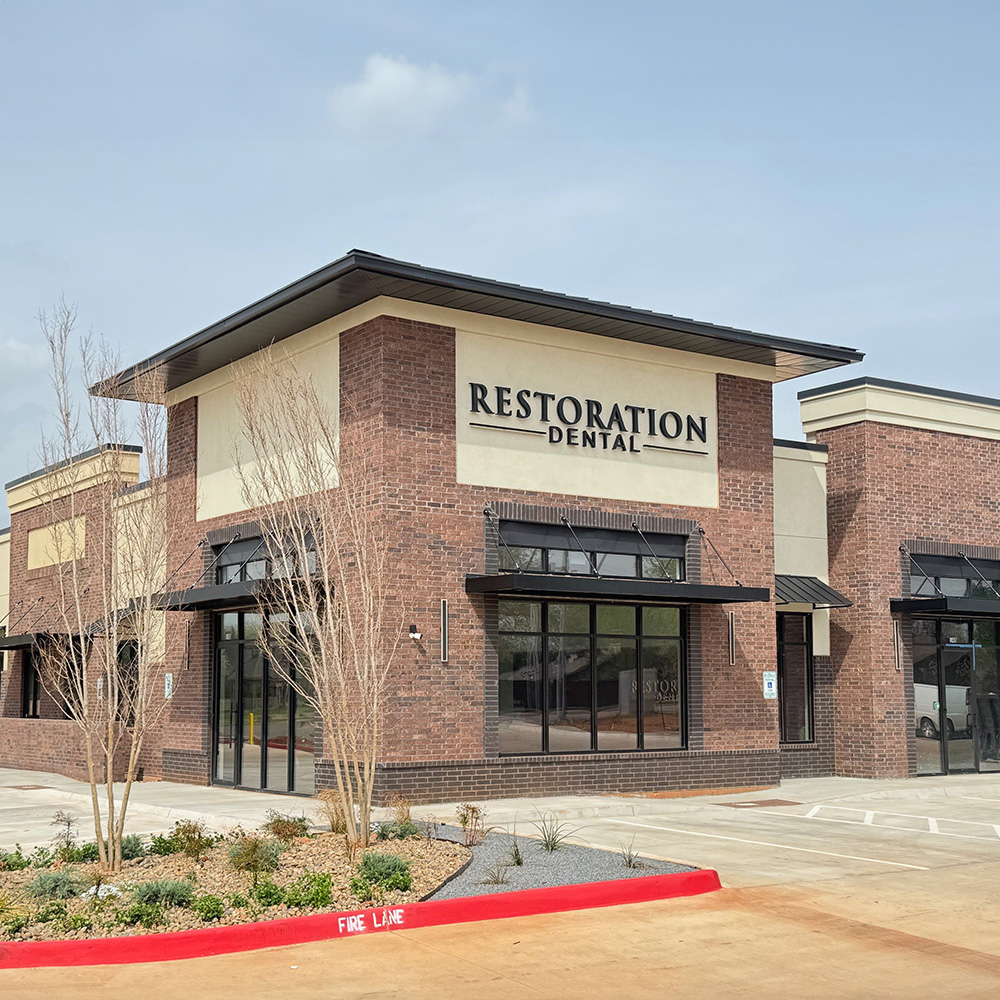
Ready to schedule your next appointment or learn more about our services?
Getting in touch with Restoration Dental is simple! Our welcoming staff is here to help you schedule appointments, answer questions about treatments, and address any concerns you may have. Whether you’d like to call or use our easy online contact form, we’re always ready to assist. Don’t wait to take the first step toward a healthier, more confident smile – contact us today and experience the difference of personalized dental care.