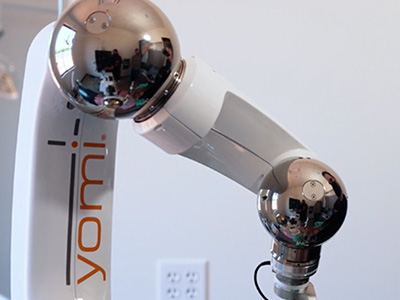
At our practice, we use the latest in dental innovation with Yomi robotic-guided dental implant technology. This cutting-edge system allows us to place dental implants with unmatched precision, improving safety, efficiency, and outcomes for our patients.
Yomi is the first and only FDA-cleared robotic system for dental implant surgery. It provides computer-guided, real-time feedback during implant placement, helping your dentist perform procedures with increased accuracy and confidence. Yomi combines advanced digital planning with robotic assistance to ensure your implants are placed exactly where they need to be for optimal function and aesthetics.
Patients who choose Yomi-guided dental implants enjoy several advantages:
Using Yomi, your dentist first performs a comprehensive digital scan of your mouth and jaw. With this information, we create a customized surgical plan that maps the exact location, angle, and depth of each implant. During surgery, the Yomi robotic arm provides real-time guidance while your dentist maintains full control, ensuring the implants are placed exactly as planned. This combination of human expertise and robotic precision provides the best possible outcome for your smile.
Yomi-guided dental implants are ideal for patients seeking safe, precise, and minimally invasive treatment. Whether you are replacing a single tooth, multiple teeth, or a full arch, Yomi technology helps ensure your implants are positioned for long-term success and comfort. Schedule a consultation with our team to see if Yomi dental implant technology is the right solution for your smile restoration.


Yomi is an FDA-cleared robotic system that assists clinicians during dental implant surgery by combining digital planning with robotic guidance. The system translates a virtual surgical plan into a guided clinical procedure using 3D imaging and haptic feedback. It is designed to augment the dentist's skills by improving the precision of implant placement while the clinician retains final control.
Yomi integrates cone beam CT data and digital impressions to map implant position, angulation and depth for each site. The robotic arm provides tactile and visual cues that help the surgeon follow the planned trajectory. This approach supports predictable placement for functional and aesthetic results.
Accuracy starts with comprehensive digital planning that uses CBCT imaging and intraoral scans to define the exact location, angle and depth of each implant. That preoperative plan becomes the procedural blueprint that Yomi helps translate into the operatory by constraining movements to the planned path and offering real-time feedback. The system reduces the variability associated with freehand techniques by guiding the handpiece and limiting deviations from the plan.
During surgery, the clinician monitors the robotic feedback and makes adjustments within the planned parameters, preserving their clinical judgment while benefiting from enhanced guidance. The result is improved alignment with prosthetic needs and adjacent anatomy, which supports long-term function and stability. This precision can be particularly valuable in tight spaces or near critical structures.
Yomi-guided surgery offers precise implant positioning that aligns with prosthetic goals and anatomical limitations, which can improve function and aesthetics. The robotic assistance enables a minimally invasive approach with smaller incisions and reduced soft tissue manipulation, which often leads to less postoperative discomfort. Because placement follows a digital plan, the procedure tends to be more predictable from a surgical and restorative perspective.
Additional benefits include streamlined coordination between the surgical and restorative phases through integrated digital workflows, and potentially faster recovery due to reduced tissue trauma. The system supports consistent reproducibility across cases, which helps clinicians plan for optimal long-term outcomes. Patients who value predictability and a technology-forward approach often find these attributes reassuring.
Planning begins with a clinical exam and high-resolution CBCT imaging to evaluate bone volume, anatomical landmarks and neighboring structures. Intraoral scans or digital impressions are captured to design the prosthetic outcome, and those datasets are merged to create a customized surgical plan that specifies implant size, position and angulation. The clinician reviews and refines the virtual plan to ensure both restorative and surgical needs are addressed.
Once the plan is finalized, the patient receives preoperative instructions regarding medications, oral hygiene and any necessary medical clearances. On the day of surgery the plan is uploaded to the Yomi system, and the surgical team verifies calibration and registration to the patient anatomy. This preparation helps ensure the intraoperative workflow proceeds smoothly and safely.
After local anesthesia or sedation as indicated, the clinician positions the patient and confirms system registration to the planned anatomy. The Yomi robotic arm provides guided assistance while the dentist uses the handpiece, delivering tactile restrictions and visual cues that keep the instrumentation within the planned parameters. The surgeon actively controls the placement and may adjust technique as needed while the robot enforces the virtual constraints.
The minimally invasive approach often allows for smaller incisions and careful soft tissue management, and the team verifies implant seating and primary stability at the completion of placement. Postoperative instructions and scheduled follow-up visits are provided to monitor healing and integration. Throughout the procedure the clinician remains responsible for clinical decisions and patient safety.
Good candidates include adults who are medically stable and seeking precise, prosthetically driven implant placement for single or multiple missing teeth or full-arch restorations. Patients with adequate bone or those who are candidates for bone grafting to create sufficient support may benefit from the planning advantages Yomi provides. The technology is useful for cases where proximity to anatomical structures or complex angulation makes accuracy particularly important.
Patients with uncontrolled systemic conditions or certain medical contraindications may require medical clearance or alternative approaches, and the treating clinician will evaluate those factors during consultation. A comprehensive exam, imaging and medical history review determine candidacy and any preparatory steps needed to optimize outcomes. Individualized treatment planning ensures the chosen approach matches the patient's oral and general health.
Recovery after a Yomi-guided implant procedure is similar to other implant surgeries but can be milder due to smaller incisions and precise tissue handling. Expect some swelling and mild discomfort that is typically managed with over-the-counter or prescribed medications and standard postoperative care. The practice will provide instructions on oral hygiene, diet and activity to support healing during the initial days after surgery.
Follow-up visits assess soft tissue healing and implant stability, and radiographs may be taken to confirm placement. Full osseointegration commonly takes several weeks to months depending on the site and individual healing factors, and the restorative phase begins once the clinician confirms adequate integration. Adhering to post-op guidance and attending scheduled appointments promotes predictable recovery.
Freehand implant placement relies heavily on clinician experience and intraoperative judgment, which can introduce variability in angulation and depth. Static guides, produced from surgical plans, provide fixed templates that improve accuracy but lack intraoperative adaptability and real-time feedback. Yomi offers a hybrid approach by using a virtual plan like static guides while also delivering dynamic, real-time guidance that the clinician can interact with during surgery.
This combination allows for intraoperative adjustments while maintaining the precision of a planned trajectory, and it preserves the clinician's ability to respond to unexpected findings. Each technique has merits, and the optimal choice depends on the clinical scenario, prosthetic requirements and practitioner preference. Discussing options with the treating dentist helps determine which approach best meets the case objectives.
Yomi is an FDA-cleared system and is used alongside standard surgical safety protocols, including sterilization, imaging verification and clinician training. The technology is designed to augment the surgeon's control rather than replace it, providing haptic and visual cues that help prevent deviations from the planned path. Patient safety is further supported by thorough preoperative planning, medical history review and calibration steps that align the plan to the patient's anatomy.
Clinician training and experience with the system are essential components of safe care, and practices using Yomi follow best-practice guidelines for device operation and case selection. Intraoperative monitoring and the ability to override or stop the system keep the clinician in control at all times. Patients should discuss any medical concerns or medications with their provider to ensure appropriate precautions are taken.
Schedule a consultation so a clinician can perform a comprehensive exam, review your dental and medical history, and obtain the necessary imaging such as a CBCT scan. During that appointment the dentist will explain how digital planning and Yomi-guided placement apply to your specific restorative goals and whether additional procedures, such as bone grafting, are recommended. A tailored treatment plan will outline the clinical steps and timeline without discussing costs until you request that information.
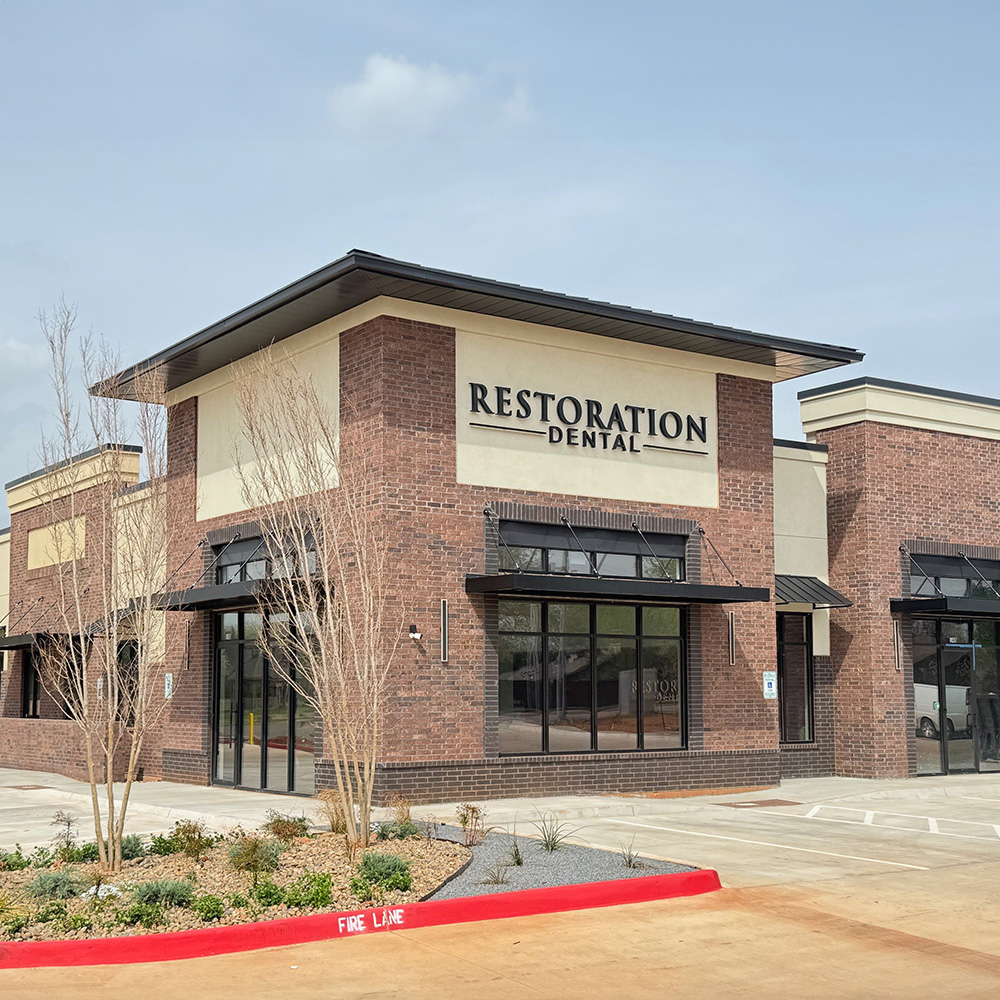
If you are in the Edmond area and would like to learn more, Restoration Dental offers consultations where the team reviews imaging and discusses technology-driven options for implant care. The practice can explain how Yomi integrates with other digital workflows to support predictable outcomes and answer questions about what to expect before, during and after treatment. Booking an evaluation is the best way to determine whether this technology fits your clinical needs and goals.
Ready to schedule your next appointment or learn more about our services?
Getting in touch with Restoration Dental is simple! Our welcoming staff is here to help you schedule appointments, answer questions about treatments, and address any concerns you may have. Whether you’d like to call or use our easy online contact form, we’re always ready to assist. Don’t wait to take the first step toward a healthier, more confident smile – contact us today and experience the difference of personalized dental care.