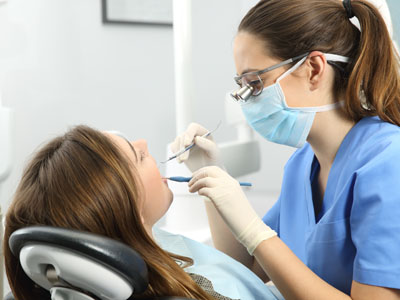
Keeping a healthy smile requires more than a solid home care routine. Even with careful brushing and flossing, plaque and debris can collect in places a toothbrush and floss can miss. Routine professional dental cleanings remove hardened deposits, lower your risk for gum inflammation and decay, and give your dental team a chance to catch small issues before they become more serious. Regular cleanings are the foundation of preventative care and a straightforward way to protect long-term oral health.
Daily brushing and flossing are vital, but they work best when paired with regular professional care. Plaque that remains on tooth surfaces hardens into tartar, a mineralized layer that cannot be removed at home. Tartar provides a rough surface that attracts more bacterial buildup, making professional removal necessary to halt the cycle and reduce bacterial load around the gums and between teeth.
Left unchecked, plaque and tartar can contribute to inflammation of the gum tissues and the early stages of periodontal disease. Professional cleanings interrupt that progression by eliminating the deposits that fuel infection and inflammation. When combined with consistent home care, these visits help preserve gum attachment and protect the underlying bone that supports your teeth.
Routine cleanings also help your clinician monitor changes in your mouth over time. Subtle shifts in tissue health, new areas of staining, or emerging spots of decay are easier to manage when they’re identified early. In short, regular professional cleanings are a practical investment in preventing more complex procedures down the road and in maintaining a healthier, more comfortable mouth.
A professional cleaning is a stepwise, thorough process performed by a trained hygienist or dental clinician. It typically begins with an exam of your mouth to spot areas that need attention—this may include a brief assessment of gums, teeth surfaces, and restorations. Next, targeted removal of plaque and tartar begins with instruments designed to reach tight spaces between teeth and along the gumline.
Clinicians commonly use a combination of hand instruments and ultrasonic scalers. Hand instruments allow precise scraping of deposits, while ultrasonic scalers use gentle vibrations and a stream of water to dislodge stubborn buildup. Using both tools in tandem ensures a complete removal of deposits while minimizing discomfort and preserving the tooth surface.
After scaling, the hygienist polishes the teeth to smooth the enamel and remove surface stains. Many cleanings conclude with a brief flossing and an evaluation of any areas that require continued monitoring. Your clinician will also review observations from the visit and suggest any follow-up steps if necessary, keeping the focus on prevention and early intervention.
Not all cleanings are identical—individual needs determine the depth and approach. Patients with healthy gums and minimal buildup typically receive routine prophylaxis, which focuses on removing deposits above and slightly below the gumline. Those with pockets of gum inflammation or more advanced periodontal concerns may require a deeper, more targeted cleaning to address bacterial deposits beneath the gums.
Sensitivity during cleanings is a common concern, and clinicians have effective ways to manage it. For people with sensitive teeth or anxious responses, topical desensitizing agents and targeted techniques can reduce discomfort. When additional comfort is needed, clinicians discuss options such as local anesthesia to ensure a calm, controlled experience during more intensive procedures.
For patients with a history of gum disease, a staged approach helps restore tissue health. Deeper scaling and root planing remove bacterial buildup from root surfaces, allowing the gums to heal and reattach more closely to the tooth. Close follow-up and maintenance cleanings afterward are essential to keep disease under control and protect the improvements achieved through treatment.
Polishing does more than brighten teeth; it smooths microscopic roughness on the enamel where bacteria can cling, making it easier to maintain oral hygiene between visits. Hygienists may also apply preventive measures tailored to your needs—such as topical fluoride or desensitizing agents—to strengthen enamel or reduce sensitivity after a cleaning.
Equally important is the one-on-one guidance provided at each visit. A hygienist will review your brushing and flossing technique, suggest products suited to your specific concerns, and offer dietary tips that support oral health. Small adjustments to daily routines—like changing the type of brush or refining the flossing method—can significantly impact long-term results.
Maintenance scheduling is part of a proactive plan: most people benefit from twice-yearly visits, but individual risk factors like history of gum disease, smoking, or certain medical conditions may necessitate more frequent care. Your dental team will recommend an interval that aligns with your oral health needs and helps sustain the gains made during professional treatment.
We aim to make every cleaning visit efficient, comfortable, and informative. From careful chairside techniques to modern instruments that improve speed and precision, the goal is to reduce discomfort while delivering thorough results. If you prefer extra support, our office offers options to enhance comfort during treatment, and our team will review these choices with you to ensure a positive experience.
Advances in dental technology make cleanings more effective and comfortable than ever. High-quality imaging and intraoral assessments help clinicians track changes and plan preventative strategies tailored to your mouth. This attention to detail reduces surprises and empowers patients to take an active role in preserving their oral health over time.
At Restoration Dental, our approach centers on clear communication and shared decision-making. We combine clinical expertise with personal attention to create a care plan that fits your lifestyle and goals. Whether you’re coming in for a routine visit or managing a known condition, the focus remains on prevention, comfort, and helping you maintain a healthy, confident smile.
In summary, regular professional dental cleanings are a practical, effective way to protect oral health, prevent disease progression, and keep your smile feeling—and looking—its best. If you have questions about what to expect at your next cleaning or want to learn more about the comfort options available during treatment, please contact us for more information.


A professional dental cleaning is a preventive appointment performed by a licensed hygienist or dental clinician to remove plaque, tartar and surface stains from teeth. The procedure uses a combination of hand instruments and ultrasonic scalers to access areas that typical home care cannot reach. A cleaning also includes polishing and a focused oral exam to check for early signs of decay or tissue changes.
At Restoration Dental we tailor each cleaning to the patient’s needs, using gentle techniques that protect enamel and gum attachment. We also review home care recommendations and schedule follow-up as needed to support long-term oral health. This personalized approach helps prevent more complex treatments later on.
Daily brushing and flossing are essential but they cannot always remove mineralized deposits that form on teeth. Plaque left on tooth surfaces can harden into tartar, which creates a rough surface that attracts more bacteria and cannot be removed with a toothbrush. Professional cleanings interrupt this cycle by removing deposits and lowering the bacterial load around the gums and between teeth.
Regular cleanings also allow clinicians to detect subtle changes in tissue health, staining or early decay when treatment is simpler and less invasive. When combined with consistent home care, these visits help preserve gum attachment and the underlying bone that supports your teeth. Preventing progression is the most effective way to protect long-term oral function and comfort.
A comprehensive cleaning typically begins with an oral assessment to identify areas that need attention, including the condition of gums, tooth surfaces and restorations. Hygienists then remove plaque and tartar using hand instruments and ultrasonic scalers, working carefully along the gumline and between teeth. After scaling, teeth are polished to smooth enamel and remove surface stains, and the clinician will floss and recheck any areas that require monitoring.
The visit concludes with a review of findings and personalized recommendations for follow-up or preventive measures. If there are signs of more advanced issues, the clinician will explain the next steps and coordinate care with the dentist. Thorough documentation and patient education help ensure continuity of care between visits.
Most people benefit from routine cleanings every six months, which supports removal of buildup and regular monitoring of oral health. However, individual risk factors such as a history of periodontal disease, smoking, certain medical conditions or heavy plaque accumulation may require more frequent visits. Your dental team will recommend an interval that reflects your oral health status and helps maintain the improvements achieved during treatment.
Scheduling maintenance appointments on a predictable timetable makes it easier to prevent recurrence of disease and to manage small problems before they become more complex. Consistent follow-up also allows clinicians to track trends in tissue health and adjust treatment plans as needed. A proactive schedule is a practical strategy for long-term oral wellness.
Scaling and root planing is a deeper cleaning procedure used to treat early to moderate periodontal disease by removing bacterial deposits from below the gumline and smoothing root surfaces. The goal is to reduce pocket depth and create an environment where the gums can reattach more closely to the tooth. This treatment is typically recommended when probing depths and inflammation indicate that standard prophylaxis will not adequately control the infection.
Following scaling and root planing, patients often require a series of follow-up visits and a maintenance program to keep disease under control. Additional measures such as localized antimicrobial therapy or referral to a periodontist may be considered depending on the response to initial treatment. Close monitoring and excellent home care are essential to preserve the gains achieved by deeper periodontal therapy.
Most professional cleanings are well tolerated and cause minimal discomfort for patients with healthy gums and routine buildup. Sensitivity can occur during or after cleaning for people with exposed root surfaces, thin enamel, or active inflammation, but clinicians use techniques and topical agents to minimize discomfort. When needed, local anesthesia or other comfort measures are available for more intensive procedures to ensure a controlled, calm experience.
Hygienists also recommend desensitizing products and home-care adjustments when sensitivity is persistent following a cleaning. Addressing contributing factors such as aggressive brushing, acid exposure or gum recession can reduce symptoms over time. Open communication about comfort during the visit allows the team to modify care and prioritize a positive patient experience.
In addition to plaque and tartar removal, many cleanings include polishing, targeted fluoride applications and the use of desensitizing agents when appropriate. These preventive measures strengthen enamel, reduce sensitivity and make it harder for bacteria to adhere to tooth surfaces. Clinicians also provide tailored oral hygiene instruction and product recommendations to enhance home care between visits.
For patients at higher risk of decay or sensitivity, customized interventions such as topical varnishes or sealants may be discussed as part of a comprehensive prevention plan. Dietary and behavioral counseling can further reduce risk by addressing factors that contribute to tooth wear and bacterial growth. The combination of in-office treatments and improved daily habits delivers the best protection over time.
When periodontal disease is present, cleanings become more targeted and frequent to control bacterial infection and prevent further attachment loss. Treatment often begins with deeper scaling and root planing to remove subgingival deposits, followed by a structured maintenance schedule that may include three- or four-month visits. This intensive approach reduces pocket depth and helps stabilize the tissues supporting the teeth.
Long-term success depends on a combination of professional care, consistent home hygiene and risk-factor management such as smoking cessation or medical condition control. Regular periodontal maintenance visits include careful probing, removal of new deposits and reinforcement of oral hygiene techniques. Monitoring response to therapy allows clinicians to modify the plan and coordinate additional interventions if needed.
Yes, children and teenagers benefit from regular professional cleanings to remove plaque, monitor eruption patterns and detect early signs of decay or gum disease. Cleanings also provide an opportunity to introduce preventive treatments such as topical fluoride and to teach age-appropriate brushing and flossing techniques. Early positive experiences with professional care help establish lifelong oral hygiene habits and reduce the likelihood of future problems.
Pediatric cleaning intervals and preventive strategies are tailored to each child’s risk profile, dental development and behavioral needs. Clinicians often coordinate care with parents to reinforce home routines and to address dietary or habit-related risk factors. When necessary, clinicians recommend protective measures like sealants or additional monitoring to safeguard growing teeth.
Comfort is a priority during cleanings, and clinicians use gentle chairside techniques, topical desensitizing agents and targeted positioning to reduce discomfort. For patients who experience anxiety or require more invasive procedures, options such as local anesthesia or additional relaxation measures are available to ensure a calm experience. Clear communication before and during the visit helps clinicians tailor care and respond promptly to patient concerns.
Modern instruments and an emphasis on patient-centered care also contribute to faster, more precise appointments that minimize soreness and recovery time. Clinicians will explain comfort options and any preparatory steps during scheduling or at the start of the visit so patients can make informed decisions about their care. This approach supports positive outcomes and greater confidence in maintaining regular preventive visits.

Ready to schedule your next appointment or learn more about our services?
Getting in touch with Restoration Dental is simple! Our welcoming staff is here to help you schedule appointments, answer questions about treatments, and address any concerns you may have. Whether you’d like to call or use our easy online contact form, we’re always ready to assist. Don’t wait to take the first step toward a healthier, more confident smile – contact us today and experience the difference of personalized dental care.