When tooth enamel or dentin is damaged by decay or minor trauma, a well-placed filling does more than close a cavity — it rebuilds the tooth’s shape, restores chewing function, and helps prevent further breakdown. Modern restorations are designed to integrate with the surrounding tooth structure so you can eat, speak, and smile with confidence.
Tooth decay remains a common oral health issue across all age groups, and filling placement is one of the most frequently performed restorative procedures for good reason. Prompt treatment stops the decay process, protects the tooth root and pulp, and reduces the likelihood of needing more extensive therapy in the future.
At Restoration Dental, we prioritize conservative treatment that preserves as much natural tooth as possible. Our goal is to combine meticulous clinical technique with contemporary materials so each filling is durable, comfortable, and visually unobtrusive.
People have sought ways to repair teeth for thousands of years. Over time, materials and techniques have progressed from rudimentary plugs to sophisticated restorations that mimic the appearance and physical properties of natural teeth. These advances have allowed clinicians to focus on both longevity and esthetics.
In the last half-century, dentistry has shifted away from metal-only restorations toward options that are mercury-free, metal-free, and better at matching the color and texture of the surrounding tooth. The result is a broader set of choices that can be tailored to individual needs.
We approach each filling as a balance between form and function. That starts with a careful diagnosis, followed by precise removal of decay and a restoration plan that aligns with your priorities — whether that means maximizing strength, minimizing tooth removal, or achieving a seamless cosmetic result.

There isn’t a single “best” filling material for every situation. Choices depend on the size and location of the cavity, the load the tooth must bear, aesthetic preferences, and the condition of the remaining tooth structure. A restoration that works beautifully in a back molar under heavy chewing forces may not be the right fit for a small front-tooth repair where appearance is paramount.
Your dentist will review the options available and recommend a material that meets clinical needs while considering longevity and appearance. Today’s materials give clinicians much more flexibility to restore teeth conservatively and discreetly compared with older approaches.
Understanding the trade-offs — for example, durability versus cosmetic blending or immediate placement versus lab-fabricated solutions — helps you make an informed decision. We’ll explain the rationale for our recommendation so you and your care team are aligned.
Composite restorations are a popular choice for visible teeth because they can be shaded to match adjacent enamel. These resin-based materials bond to the tooth, providing a seal that helps reinforce thin or weakened areas. They typically require less removal of healthy tooth structure than metal restorations.
Composites are placed directly in the prepared tooth and cured with a specialized light. They offer excellent esthetics and function well for small to moderate cavities, though they can show wear or staining over many years, depending on oral habits and diet.
Amalgam has a long track record for durability, especially in large posterior restorations that endure high chewing forces. While it is not tooth-colored, the material is exceptionally strong and resistant to fracture in demanding bite situations.
Glass ionomers bond chemically to tooth structure and release fluoride over time, which can help protect vulnerable areas from recurrent decay. They are often used for small restorations, areas near the gumline, primary (baby) teeth, or temporary repairs when a longer-term solution will follow.
Ceramic restorations are usually fabricated outside the mouth (indirect restorations) and then bonded in place. They combine excellent esthetics with superior resistance to staining and wear, making them a great long-term option for large cavities that require more structural support than a direct filling can provide.
Gold is biocompatible, durable, and remarkably long-lasting. It’s used less often today due to cost and aesthetic concerns, but when indicated, gold can provide a reliable, stable restoration that is gentle on opposing teeth.
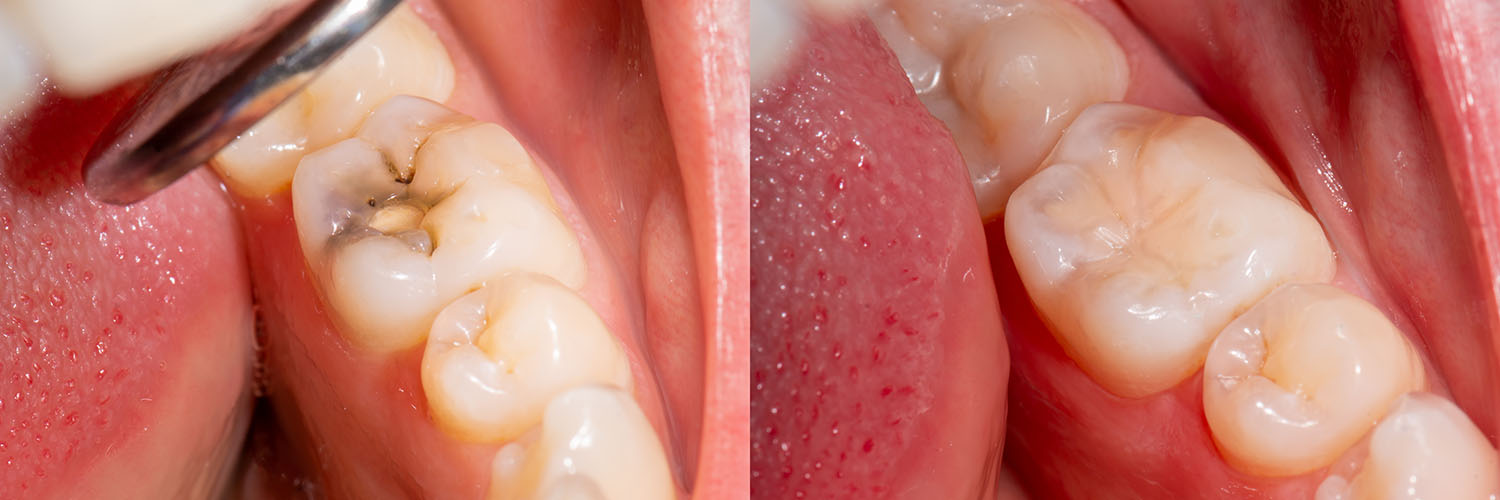
When you come in for treatment, the first step is a thorough assessment. That includes visual and radiographic evaluation to determine the extent of decay and whether the pulp (nerve) is involved. From there we develop a plan that minimizes tooth removal while ensuring a secure, long-lasting restoration.
Treatment is typically performed under local anesthesia so you remain comfortable throughout the procedure. After isolating the tooth, the clinician carefully removes decayed tissue using rotary instruments, lasers, or air abrasion depending on the situation and patient comfort.
Once the cavity is prepared, the method of placement varies by material. Direct materials like composite or glass ionomer are placed and shaped in the mouth, cured, and polished in the same visit. For larger defects that need an indirect restoration, a custom inlay or onlay may be fabricated in a dental lab and bonded at a second appointment.
For patients who prefer extra relaxation during treatment, we can discuss appropriate dental sedation options to ensure a calm, controlled experience.
Fillings are highly effective for many cavities, but there are times when a tooth will benefit from a stronger, more protective restoration. Large areas of decay, fractures that extend under the gumline, or repeated failure of previous restorations may indicate the need for an inlay, onlay, crown, or other restorative approach.
Other red flags include persistent sensitivity, swelling, or changes in bite. These symptoms can signal that decay has progressed deeper or that the tooth’s nerve is irritated. Early detection and timely treatment can often preserve the tooth and avoid more invasive procedures.
When a more comprehensive restoration is recommended, our priority is to explain the clinical reasons clearly and outline the available pathways so you understand the benefits and expectations for recovery and long-term care.
After a filling is placed, most patients return to normal activities quickly, but there are a few important considerations to protect your new restoration and the tooth beneath it. Immediate care focuses on protecting the numb lip and tongue until sensation returns and avoiding extremely hard or sticky foods for a short period if advised.
It’s normal for a restored tooth to feel slightly different at first. Minor sensitivity to temperature or pressure often resolves within days to weeks. If sensitivity persists or increases, or if you notice sharp pain when biting, contact the practice so we can evaluate and make any necessary adjustments.
Long-term success depends on good home care and routine professional checkups. Daily brushing and flossing, along with regular dental exams and cleanings, help prevent recurrent decay at the margins of fillings. During recall visits we also check the integrity of restorations and recommend timely repairs or replacements if wear or breakdown is noted.
With attentive care, many modern fillings provide years of dependable service. When questions arise about the condition of a filling or the health of a treated tooth, the team at Restoration Dental is available to assess the situation and recommend an appropriate course of action.
If you’d like to learn more about fillings or find out which option is right for your smile, please contact us for additional information.
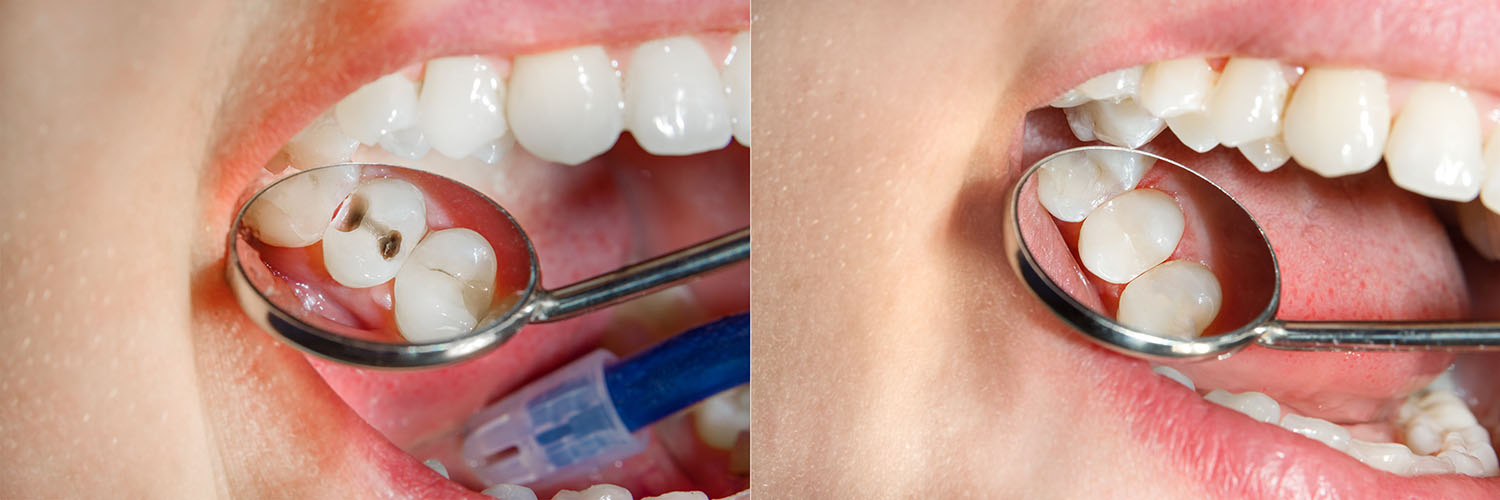

Dental fillings are restorations placed to repair teeth that have been damaged by decay or minor trauma. They restore the tooth's shape and chewing function while sealing the area to reduce the risk of further breakdown. A properly placed filling helps preserve as much natural tooth structure as possible and can prevent the need for more extensive treatment later.
At Restoration Dental, our approach emphasizes conservative, tooth‑preserving care and the use of contemporary materials that blend function and appearance. Your dentist will evaluate the extent of the damage and recommend a filling that balances strength and esthetics for the specific tooth involved. Timely treatment of cavities also protects the tooth root and pulp from deeper problems.
Several materials are available for fillings, each with its own strengths and trade-offs. Composite resins are tooth‑colored and bond to tooth structure for a conservative restoration, while amalgam is a strong, long‑standing option for high‑load posterior teeth. Glass ionomer cements bond chemically and release fluoride, and ceramic inlays or onlays offer laboratory‑fabricated, highly esthetic solutions for larger defects.
Choice of material depends on the size and location of the cavity, occlusal forces, aesthetic priorities, and the condition of remaining tooth structure. Some materials are placed directly in a single visit, whereas ceramic and gold restorations are made outside the mouth and bonded later. Your clinician will explain durability, appearance, and suitability so you can make an informed decision.
Placement begins with a thorough assessment that often includes visual examination and radiographs to determine the depth and extent of decay. Treatment is typically performed under local anesthesia to ensure comfort, after which the clinician isolates the tooth and removes decayed tissue using rotary instruments, lasers, or air abrasion as appropriate. The prepared cavity is then shaped, cleaned, and, depending on the material, a liner or bonding agent is applied.
Direct materials like composite or glass ionomer are placed, contoured, and cured in the same visit before final polishing. For larger defects requiring greater strength, an indirect restoration such as an inlay or onlay may be fabricated in a dental laboratory and bonded at a second appointment. Throughout the process, the goal is a secure, long‑lasting restoration with a comfortable bite and acceptable esthetics.
The lifespan of a filling varies widely based on material, size of the restoration, oral hygiene, and individual chewing forces. Small composite or glass ionomer fillings may last many years with good care, while larger restorations or those in heavily loaded areas may require replacement sooner. Regular dental exams allow your clinician to monitor wear, detect recurrent decay, and identify problems before they become urgent.
To maximize longevity, maintain daily brushing and flossing, avoid using teeth to open packages or bite very hard objects, and attend routine cleanings and checkups. If you notice roughness, sensitivity, or changes in your bite, contact the office promptly so adjustments or repairs can be made. Early intervention often allows for more conservative treatment and better long‑term outcomes.
It is common to experience numbness for a short time after local anesthesia; avoid chewing until sensation returns to prevent accidental injury to the lip or tongue. Mild sensitivity to cold, heat, or pressure is normal for days to weeks as the tooth adjusts, and it usually diminishes over time. If you experience sharp pain when biting or prolonged severe sensitivity, contact the practice so the restoration and bite can be evaluated and adjusted.
Your dentist may recommend avoiding very hard or sticky foods for a short period and advise on any temporary dietary precautions for indirect restorations. Oral hygiene should be resumed as directed, taking care around the restored tooth. Follow‑up visits allow assessment of the filling's integrity and comfort and help address any questions about recovery.
A filling may be insufficient when there is extensive decay, large fractures, or when too little healthy tooth structure remains to support a direct restoration. In such cases an indirect restoration like an onlay, inlay, or full crown can restore strength, protect remaining tooth structure, and reestablish proper occlusion. Repeated failures of previous fillings or cracks that extend below the gumline also often indicate the need for a more protective solution.
Another reason to choose an indirect restoration is when the tooth requires significant cuspal coverage to withstand chewing forces over time. Your dentist will explain clinical findings, present the options with their expected benefits and limitations, and recommend an approach designed to preserve the tooth and optimize long‑term function. Timely escalation of treatment can prevent more extensive procedures, such as root canal therapy or extraction, in some cases.
Composite materials have improved substantially and offer excellent esthetics along with the ability to bond to tooth structure, which can reinforce weakened areas. For many small to moderate cavities, composites provide strength and wear resistance suitable for both front and back teeth. However, when a restoration must withstand very high chewing forces or replace a large portion of the tooth, metal or indirect ceramic or gold restorations may offer greater long‑term durability.
The choice depends on the tooth's location, the size of the defect, and functional demands; your clinician will weigh these factors along with esthetic goals. Advances in adhesive techniques and materials have expanded the situations in which composites are a viable, conservative option. If longevity under heavy load is a primary concern, your dentist may recommend an indirect restoration instead of a direct composite.
Glass ionomer cements are restorative materials that bond chemically to tooth structure and slowly release fluoride, which can help protect against recurrent decay. They are often chosen for small restorations, areas near the gumline, temporary repairs, or for primary (baby) teeth where moisture control is challenging. Their adhesion and fluoride release make them a useful option in specific clinical situations where a conservative, protective material is preferred.
Glass ionomers typically have lower wear resistance than composite resins, so they are less commonly used in high‑load posterior restorations. In some cases a glass ionomer can serve as a base or intermediate layer beneath a stronger material to combine benefits. Your dentist will recommend the most appropriate material based on the tooth's location, functional demands, and the need for fluoride release.
Yes, fillings can often be repaired or replaced depending on the extent and nature of the failure. Minor edge defects, localized recurrent decay, or small fractures may be treatable with a focused repair that preserves healthy tooth structure. When damage or decay affects a large portion of the restoration or the tooth beneath, full replacement or an alternative restoration such as an onlay or crown may be recommended.
During a recall or evaluation visit your dentist will assess marginal integrity, wear, and any signs of recurrent decay using clinical examination and radiographs as needed. Decisions about repair versus replacement consider the remaining tooth structure, the material involved, and long‑term prognosis. Prompt evaluation of any concerns helps maintain tooth health and can reduce the need for more invasive treatment.
Many patients feel anxious about dental procedures, and a range of sedation options can help create a calm, controlled experience during restorative treatment. Our office has experience with sedation techniques that can be discussed during your consultation, allowing the clinical team to tailor an approach based on medical history, the complexity of the procedure, and patient comfort. Local anesthesia remains the foundation of pain control, and sedation is used to enhance relaxation when appropriate.
If you are concerned about comfort or anxiety, let the team know when scheduling so sedation options can be reviewed and any necessary medical considerations addressed. A pre‑treatment discussion will cover what to expect before, during, and after the appointment to ensure your safety and a positive experience. For more information or to schedule an evaluation, contact Restoration Dental to speak with our staff about available options.

Ready to schedule your next appointment or learn more about our services?
Getting in touch with Restoration Dental is simple! Our welcoming staff is here to help you schedule appointments, answer questions about treatments, and address any concerns you may have. Whether you’d like to call or use our easy online contact form, we’re always ready to assist. Don’t wait to take the first step toward a healthier, more confident smile – contact us today and experience the difference of personalized dental care.