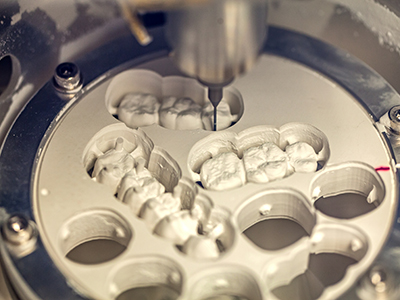
Having a fully equipped dental laboratory inside the practice changes how care is delivered. Instead of shipping work to an external technician and waiting days for adjustments, clinicians and lab technicians collaborate in real time. That proximity shortens feedback loops and reduces the risk of miscommunication, so restorations arrive more closely aligned with the original treatment plan. For patients, that translates to fewer appointments, faster turnaround, and outcomes that more closely reflect the dentist’s clinical intent.
An onsite lab also supports a higher level of clinical oversight. When the dentist and technician are in the same facility, shade matching, margin fit, and occlusal relationships can be evaluated together under the same lighting and with direct patient input. This shared decision-making helps ensure that crowns, bridges, and veneers not only function well but also integrate visually with surrounding teeth. The result is restorative work that looks natural and performs reliably over time.
At our Edmond, OK practice, an in-house lab is a strategic asset that strengthens continuity of care. It allows our team to monitor every step of the fabrication process and to address issues quickly should they arise. For patients, that means predictable timelines and a smoother experience from the initial impression to final delivery.
Modern dental labs blend digital workflows with traditional craftsmanship to achieve both speed and precision. Digital impressions and CAD/CAM design tools give technicians highly accurate models of the mouth, which they use to design restorations with excellent marginal fit and proper anatomy. Those digital files form the blueprint; skilled technicians then apply hands-on finishing—staining, glazing, and characterization—to achieve lifelike texture and color gradation.
Because the lab sits onsite, the digital-to-physical transition is seamless. Scans captured in the treatment chair can be reviewed immediately by the team, and design adjustments can be made collaboratively. For complex cases, such as multi-unit bridges or implant-supported restorations, that iterative process minimizes surprises and helps ensure the prosthesis fits and functions as intended at the time of delivery.
Technicians in a local lab also have direct access to your clinical records and can examine casts, models, or temporary restorations firsthand. That hands-on access complements digital design and often results in a closer match to the patient’s natural dentition—both in form and function—than is possible when fabrication occurs offsite.
Every smile has its own subtleties—unique shapes, color variations, and functional demands. An onsite lab enables a truly personalized approach, where restorations are crafted to respect those individual nuances. Whether producing a single ceramic crown, a layered porcelain veneer, or a full denture, the lab team can tailor contours, translucency, and occlusal contacts to align with the patient’s bite, facial features, and aesthetic goals.
Customization extends beyond appearance. For patients with specific functional requirements—nighttime grinding, compromised support from remaining teeth, or unique soft-tissue anatomy—the lab can design internal structures and select materials that provide the required strength, resilience, and comfort. This attention to detail makes a meaningful difference in long-term performance and patient satisfaction.
Close collaboration between the restorative dentist and the lab also makes it easier to incorporate adjustments requested by the patient during try-in appointments. When tweaks are needed, the lab can often make them the same day or next day, reducing the inconvenience of multiple remakes and allowing the clinician to deliver a final restoration that meets both clinical and personal expectations.
Quality control is central to a reputable dental lab’s workflow. Onsite labs allow the practice to enforce consistent standards for materials selection, fabrication techniques, and final inspection. Technicians can verify glazing, marginal adaptation, and occlusion under controlled conditions, and any issues can be corrected immediately. These built-in checkpoints help protect the longevity of restorations and reduce the likelihood of complications after placement.
Material science in dentistry is constantly evolving, and an in-house lab fosters deeper expertise in the options available—zirconia, lithium disilicate, layered porcelain, and acrylic bases for dentures, among others. Having that knowledge close at hand means treatment plans can match the right material to the patient’s functional needs and aesthetic goals, rather than relying on one-size-fits-all solutions. The lab’s familiarity with specific systems and milling equipment also contributes to consistent, predictable outcomes.
Beyond the selection of materials, the lab plays an important role in maintenance and repair. Because the team that made the restoration is available onsite, remakes or repairs are handled with continuity. That institutional memory—knowing exactly how a piece was fabricated—allows for thoughtful repair strategies that preserve as much of the original work as possible and restore function without unnecessary compromises.
Time is an important factor in restorative dentistry. While speed should never come at the expense of quality, an in-house lab supports efficient workflows that reduce total treatment time. Same-day milling for single crowns, expedited adjustments, and direct communication between clinician and technician all contribute to shorter overall treatment sequences. Patients appreciate fewer visits and less time in temporary restorations, while clinicians benefit from greater control over scheduling and outcomes.
Integrating digital tools—such as chairside scanning and in-office milling—into the lab’s processes further accelerates fabrication when clinically appropriate. Yet even cases that require more laboratory artistry benefit from the proximity: technicians can perform rapid shade confirmations, refine marginal fit, and coordinate final polishing and characterization without the delays associated with external shipping. The net effect is a smoother, more predictable patient journey.
Importantly, the goal of these efficiencies is not merely speed but improved patient experience. Faster turnarounds matter because they reduce anxiety, minimize time spent wearing provisionals, and allow patients to return to normal function sooner. With an onsite lab, the practice is better positioned to deliver restorative care that is both timely and thorough.
Wrap-up: A Local Laboratory That Puts Patients First
In-house laboratory services are more than a convenience—they represent a commitment to precise, patient-centered restorative care. By combining modern digital workflows with skilled craftsmanship and direct clinical collaboration, our team produces restorations that look natural, function reliably, and feel comfortable for daily use. Restoration Dental leverages this capability to streamline care and maintain close oversight of every step in the fabrication process.
If you have questions about how an onsite dental lab influences your treatment options or would like to learn more about the types of restorations we create, please contact us for more information.


Onsite dental lab refers to a fully equipped laboratory located within the dental practice where technicians and clinicians work together to fabricate restorations. This arrangement replaces the traditional model of shipping cases to external labs and waiting for returns, enabling real-time collaboration and faster adjustments. Shorter feedback loops reduce miscommunication and increase the likelihood that the final piece matches the original treatment plan.
For patients, an onsite lab typically means fewer appointments, less time spent in temporary restorations, and more predictable delivery timelines. Shade confirmations, marginal checks, and occlusal evaluations can occur under the same lighting with direct patient input, which improves both functional and aesthetic results. At Restoration Dental in Edmond, OK, the integrated lab helps the team maintain close oversight of fabrication and quickly address refinements when needed.
Digital impressions captured chairside create accurate three-dimensional models that technicians use as the foundation for design and milling. CAD/CAM systems allow for precise design of margins, occlusal anatomy, and internal connector geometry, which improves fit and function compared with older analog workflows. Digital files also facilitate easier communication between the clinician and technician, enabling iterative refinements before physical fabrication begins.
When the lab is onsite, the digital-to-physical transition is seamless because scans can be reviewed immediately and adjustments made collaboratively. Chairside milling and in-office sintering may be used for appropriate single-unit cases, while more complex restorations proceed through a hybrid workflow combining digital design with hand-finishing. This integration minimizes surprises at delivery and supports consistent, high-quality outcomes.
Contemporary dental labs work with a range of materials, including zirconia, lithium disilicate, layered porcelain, and acrylics for denture bases, among others. Material choice depends on the clinical demands of the case—strength requirements, esthetic expectations, and the location of the restoration in the mouth are all considered. Technicians evaluate translucency, fracture resistance, and bonding characteristics to match material properties to the intended function.
Onsite labs benefit from hands-on familiarity with the specific materials the practice uses, which supports predictable processing and finishing protocols. That familiarity helps the team choose materials that balance durability and appearance for each patient rather than relying on one-size-fits-all solutions. Lab expertise also guides surface treatments, connectors, and reinforcement strategies for long-term performance.
Shade matching begins with a thorough evaluation of the patient’s natural dentition under standardized lighting conditions, often supplemented by digital shade tools or spectrophotometers. Technicians assess hue, chroma, and surface texture, then design restorations with layered porcelains or staining protocols that reproduce those characteristics. Photographs and detailed shade maps are used to communicate subtleties such as translucency near incisal edges and color gradation across a tooth.
Because an onsite lab can perform same-day confirmations and adjustments, technicians and clinicians can verify shade and characterization with the patient present during try-in appointments. Hands-on glazing and fine staining are completed after clinical approval to preserve color fidelity through final firing and polishing. This collaborative approach increases the chance that restorations blend seamlessly with surrounding teeth.
Quality control in an onsite lab begins with standardized checks for marginal fit, occlusal contacts, and proper anatomy before glazing and final polishing. Technicians visually inspect margins and contacts under magnification and verify occlusion on articulated models or with digital occlusal analysis when appropriate. Any discrepancies identified during inspection are corrected immediately, which reduces the risk of post-delivery complications.
Documentation of material batches, milling parameters, and processing steps creates institutional memory that supports consistent fabrication and efficient future repairs. Final verification under controlled lighting and with clinician sign-off is a standard checkpoint before delivery to the patient. These measures together promote durability and reduce unexpected failures after placement.
Yes, onsite labs are well suited to fabricate implant-supported restorations ranging from single custom abutments to multi-unit bridges and full-arch prostheses. Digital implant planning, guided surgical workflows, and precise library files for implant connections allow the lab to design restorations that achieve passive fit and correct occlusal relationships. For complex full-arch cases, the lab’s ability to iterate designs and perform multiple try-ins is especially valuable.
Close collaboration between the restorative team and technicians helps manage screw access, occlusal scheme, and esthetic emergence profiles for implant cases. When issues arise during try-in—such as minor fit or esthetic concerns—the onsite lab can rapidly adjust frameworks, refine contours, or modify prosthetic components. This responsiveness reduces turnaround time and helps ensure predictable function for implant-supported restorations.
Functional challenges are evaluated early in the restorative planning process so technicians can incorporate appropriate design features into the prosthesis. For patients with bruxism or heavy occlusal loads, technicians may select higher-strength ceramics or design reinforced connector zones and thicker internal walls to withstand stress. Occlusal morphology can be shaped to distribute forces more evenly and minimize focal loading.
The lab also coordinates with the clinician on adjunctive strategies such as occlusal adjustments, equilibration, or the prescription of protective appliances like nightguards. This combined approach—material selection, structural design, and clinical management—helps extend the service life of restorations while protecting remaining dentition. Onsite collaboration makes it easier to test and refine those solutions during try-ins and follow-up visits.
When a restoration requires repair or adjustment, having the fabrication team onsite facilitates continuity because technicians who made the piece can assess and address the issue directly. Minor adjustments such as occlusal refinements, polishing, or small composite repairs may be completed chairside or returned to the lab for controlled finishing. The lab’s records of the original materials and processing steps inform repair strategies that aim to preserve as much of the original work as possible.
For more extensive repairs, the onsite lab can often complete remakes or refinements without the delays associated with external shipping and coordination. This continuity reduces patient downtime and supports more thoughtful restoration maintenance. At Restoration Dental, that institutional knowledge helps the team recommend the most appropriate repair pathway based on how the restoration was fabricated.
An onsite lab often shortens the total number of visits required to complete restorative treatment because many adjustments and confirmations can happen more quickly. Same-day or next-day refinements, expedited try-ins, and integrated digital workflows reduce time in provisional restorations and support a smoother path to final delivery. Patients benefit from fewer return trips and a clearer expectation of treatment milestones.
Having the lab in the same facility also improves communication and patient involvement, allowing clinicians and technicians to show options and make immediate aesthetic or functional choices together with the patient. That collaborative environment tends to reduce anxiety and increase confidence in the treatment process. Overall, the onsite model is designed to make restorative care more convenient, transparent, and efficient for patients.
Patients are encouraged to participate in try-in appointments where shape, color, and fit are evaluated before final glazing and polishing. The clinician and technician may present provisional restorations, mock-ups, or trial veneers so the patient can provide feedback on contour, bite, and appearance. Direct patient input at this stage is valuable for achieving a result that meets clinical goals and personal preferences.
During the try-in, clinicians will assess occlusion, proximal contacts, and marginal fit while technicians note any laboratory changes required for the final restoration. If adjustments are needed, the onsite lab can often implement them quickly and return the restoration for re-evaluation. Patients should expect a collaborative, stepwise process that prioritizes both function and aesthetics before final delivery.
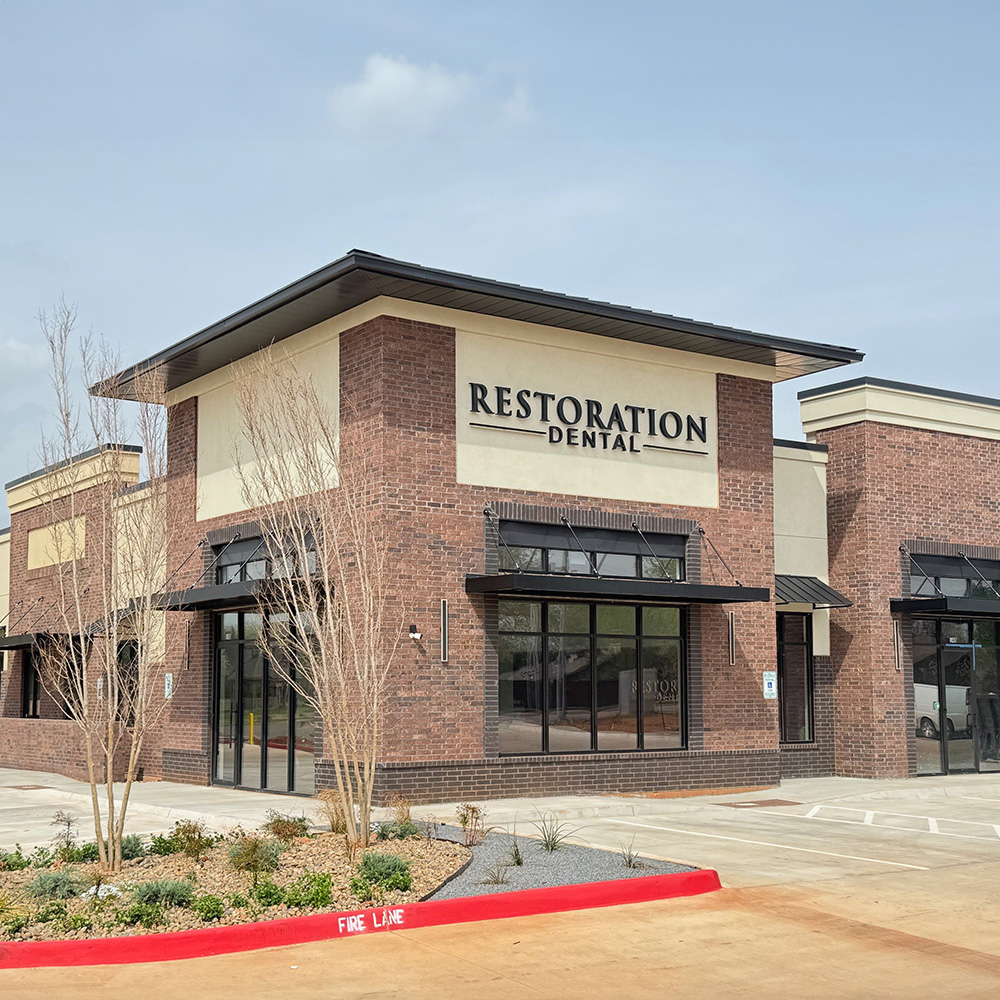
Ready to schedule your next appointment or learn more about our services?
Getting in touch with Restoration Dental is simple! Our welcoming staff is here to help you schedule appointments, answer questions about treatments, and address any concerns you may have. Whether you’d like to call or use our easy online contact form, we’re always ready to assist. Don’t wait to take the first step toward a healthier, more confident smile – contact us today and experience the difference of personalized dental care.