Digital impressions replace traditional putty-based molds with precise, computer-generated scans of the teeth and surrounding soft tissues. Using an intraoral optical scanner, a clinician captures a series of high-resolution images that are stitched together in real time to produce an accurate 3D model. This model is instantly viewable on a monitor, allowing the dental team to evaluate margins, bite relationships, and tissue contours without waiting for stone models to be poured.
These scanners use structured light, laser, or similar imaging technologies to map surfaces and detect fine details such as preparation margins and contact points. The resulting digital file can be saved, duplicated, and transmitted electronically to labs or used directly in chairside manufacturing systems. Because the scan captures anatomy in three dimensions, it supports more predictable planning for crowns, bridges, implants, and many cosmetic or restorative procedures.
From a practical standpoint, digital impressions streamline the diagnostic and restorative workflow. The digital model eliminates steps associated with physical impressions—like disinfection, shipping, and model fabrication—while preserving an accurate digital record of a patient’s dentition that can be referenced for future treatment planning.
One of the most immediate benefits patients notice is comfort. Scanning removes the need for bulky trays and impression material that can trigger gag reflexes or create an unpleasant taste. For many people, the noninvasive scanner wand feels similar to routine dental photography—quick and easy to tolerate.
Scans are also fast. A typical full-arch scan can often be completed in minutes, and partial-arch or quadrant scans take even less time. The digital preview is available immediately, so the dental team can confirm that all necessary anatomy has been captured before the patient leaves the chair, reducing the likelihood of return visits for repeat impressions.
Beyond comfort and speed, scans enhance communication. Patients can see a visual representation of their own teeth on-screen, which helps clinicians explain treatment needs, demonstrate anticipated outcomes, and answer questions more effectively. That visual clarity supports informed decision-making and improves overall satisfaction with the care experience.
Accuracy is a cornerstone of restorative success, and digital impressions deliver measurable improvements in precision. Because scanning captures fine surface detail and preserves spatial relationships in three dimensions, restorations created from these files typically require fewer adjustments at delivery. Better marginal fit and occlusal harmony reduces chairside time and contributes to longer-lasting results.
Digital impressions also reduce sources of error associated with conventional techniques—such as material distortion, shrinkage, or dimensional changes during stone casting. When a digital workflow is followed from scan to design to fabrication, each step preserves the original data without the variability introduced by manual model-making.
Another clinical advantage is the ability to integrate scans with other digital records, like cone-beam CT images and digital photographs. This multimodal approach supports more comprehensive treatment planning, particularly for implant placement and complex restorative cases, where spatial coordination between bone, soft tissue, and prosthetic design is essential.
Finally, digital files are easily archived, allowing clinicians to compare past and present anatomy, monitor ongoing conditions, and make data-driven decisions. The availability of accurate historical records can be especially valuable when planning phased treatment or evaluating the long-term performance of restorations.
One of the biggest workflow advantages of digital impressions is rapid, secure transmission to dental laboratories. Electronic files can be emailed or uploaded to lab portals within minutes, removing days of shipping and handling. This improves turnaround times for crowns, bridges, and custom appliance fabrication while preserving the fidelity of the original scan.
For practices equipped with in-office CAD/CAM systems, digital impressions enable true same-day dentistry. Scans are fed directly into design software, restorations are milled or 3D-printed on site, and patients can leave with a completed crown or other restoration in a single appointment. This approach reduces the total number of visits and limits the time patients spend with provisional restorations.
Even when restorations are fabricated off-site, the digital workflow supports more efficient communication between the clinician and the laboratory. Technicians can examine the scan from multiple angles, take precise measurements, and propose adjustments before fabrication begins. That collaborative openness reduces the need for remakes and helps ensure the lab’s final product aligns with the clinical goal.
Because digital impressions are standard file formats, they also make it easier to work with a range of modern restorative materials and fabrication technologies—from milled ceramics to hybrid resin materials—allowing clinicians to select the best solution for each patient’s aesthetic and functional needs.
At an appointment that includes digital scanning, patients can expect a brief, comfortable procedure. The clinician or trained assistant will move the scanner wand methodically around the teeth to capture all relevant surfaces. If additional scans are needed—such as bite registrations or scans of opposing arches—those are completed in the same visit. Because the scan is reviewed immediately, any gaps in the dataset are identified and filled before the appointment ends.
Digital files are managed securely as part of the patient’s dental record. They can be retained indefinitely, exported for consultation with specialists, or used for comparisons over time. Maintaining clear, organized digital records helps the dental team coordinate multidisciplinary care—such as combining restorative work with periodontal or orthodontic treatments—while providing continuity across visits.
While digital impressions are highly versatile, there are occasional clinical situations where a traditional impression may still be recommended, such as when certain soft tissue conditions or extreme anatomic angles impede optimal optical capture. In those cases, the dental team will explain the rationale and select the method that best supports a successful clinical outcome.
Digital impressions represent a practical, patient-friendly advancement in restorative and cosmetic dentistry. They improve comfort, speed up workflows, and enhance the precision of prosthetic work while supporting closer collaboration with dental laboratories and in-office fabrication systems. For clinicians and patients alike, the benefits translate into more predictable appointments and restorations that fit and function as intended.
If you have questions about how digital impressions may be used in your care, or what to expect during a scanning appointment at Restoration Dental, please contact us for more information.


Digital impressions replace traditional putty-based molds with high-resolution optical scans that capture the surfaces of teeth and surrounding soft tissues. A clinician moves a handheld intraoral scanner around the mouth while software stitches the captured images into an accurate three-dimensional model. That digital model can be reviewed immediately and used for diagnosis, design, and fabrication.
Scanners use structured light, laser or similar imaging technologies to detect fine details such as preparation margins and contact points. The resulting digital file is saved in standard formats that can be duplicated, archived and transmitted electronically to labs or integrated with in-office CAD/CAM systems. Because the anatomy is recorded in three dimensions, the workflow supports predictable planning for crowns, bridges, implants and many cosmetic procedures.
Digital scanning eliminates the need for bulky trays and impression materials that can trigger gag reflexes or cause discomfort for some patients. A full-arch scan often takes only a few minutes, and the clinician can verify the captured anatomy on-screen before the patient leaves the chair. That immediacy reduces the chance of repeat impressions and shortens overall treatment timelines.
Because scans are reviewed in real time, small gaps or missing details can be corrected during the same visit rather than requiring a return appointment. Patients also benefit from clearer communication, since clinicians can show the scan to explain treatment options and expected outcomes. The combination of speed and visual clarity tends to increase patient understanding and satisfaction with the care process.
Digital impressions capture spatial relationships and surface detail in three dimensions, which generally reduces distortions associated with material shrinkage or stone model casting. Restorations designed from accurate digital data often require fewer chairside adjustments, improving marginal fit and occlusal harmony. Fewer adjustments translate to shorter delivery appointments and potentially longer-lasting results.
Digital workflows preserve the original captured data through design and fabrication steps, minimizing variability introduced by manual model-making. Digital files can be overlaid with previous scans, photographs or CBCT data to assess changes and plan complex cases. This multimodal approach supports more predictable outcomes for full-arch reconstructions, implant prosthetics and cosmetic restorations.
Yes. Digital impressions can be merged with cone-beam CT scans to create a comprehensive 3D dataset that includes both hard- and soft-tissue anatomy. This integration enables precise planning of implant position, angulation and depth while accounting for prosthetic design and occlusion. The combined dataset helps the team coordinate surgical and restorative phases more effectively.
When scans and CBCT data are aligned, the clinician can design surgical guides, provisional restorations and final prosthetics with improved spatial coordination. That level of planning reduces surprises during surgery and supports prosthetically driven implant placement. Collaboration with the lab or a guided-surgery partner is streamlined because the same digital files inform every step.
Digital impressions are the first step in a chairside CAD/CAM workflow that can produce restorations in a single visit. After scanning, the digital model is used to design the restoration in software and then mill or 3D-print the final prosthetic on site. This capability reduces the number of appointments and eliminates the need for long-term provisional restorations in many cases.
Even when restorations are fabricated off site, digital impressions accelerate the process by enabling rapid electronic transfer to dental laboratories. Technicians can examine scans from multiple angles, take precise measurements and communicate adjustments before fabrication begins. The streamlined communication reduces the likelihood of remakes and helps ensure the final restoration meets clinical goals.
Digital impression files are exported in standard formats and transmitted securely to dental laboratories or specialist partners via encrypted portals or secure file-transfer systems. Electronic delivery removes the delays and handling risks associated with shipping physical models and preserves the fidelity of the original scan. Labs receive a more complete dataset for design and fabrication, which improves coordination and reduces ambiguity.
Many lab workflows allow technicians to review, mark up or annotate the received scan and then communicate proposed adjustments back to the clinician. This two-way digital collaboration shortens turnaround times and helps align expectations before fabrication begins. The result is a more efficient process with clearer documentation of design choices.
While digital scanning is highly versatile, certain clinical situations can make optical capture difficult, such as highly mobile soft tissues, extreme subgingival margins or limited intraoral access. In those cases a clinician may recommend a conventional impression technique to ensure the necessary detail is captured for a predictable outcome. The choice is based on clinical judgment and the goal of delivering a restoration that fits and functions well.
The dental team will explain the rationale when a traditional impression is preferred and will select materials and protocols that optimize accuracy and patient comfort. Even when conventional impressions are used, many practices combine them with digital photography or other digital records to support diagnosis and planning. The priority is always a reliable clinical result rather than adherence to a single technique.
A digital scanning appointment is typically brief and noninvasive, with the clinician or trained assistant moving a small wand around the teeth to capture surfaces. Patients may be asked to bite gently for bite registrations or to rinse before scanning, and the operator will pause to review the images on a monitor. If any areas are incomplete, additional scans are taken immediately so the dataset is complete before the appointment ends.
Scanning is generally well tolerated and feels similar to intraoral photography rather than an impression tray. The clinician can show the scan on screen to explain findings and next steps, which helps patients understand the proposed treatment. After the visit the digital files are stored with the patient record and used for design, fabrication or monitoring as needed.
Digital impression files are managed as part of the patient’s electronic dental record and are stored on secure systems with controlled access. Clinics follow data-management protocols to ensure files are backed up and retained according to professional standards, and they are exported only for legitimate clinical or laboratory purposes. Maintaining organized digital records supports continuity of care and enables comparison across visits.
When files are shared with outside labs or specialists, transmission typically occurs via encrypted portals or secure file-transfer services to protect patient privacy. Patients may request copies of their records for consultations or second opinions, and clinicians can export the necessary files in standard formats. Clear recordkeeping makes it easier to track treatment progress and plan phased restorative care.
At Restoration Dental, digital impressions are used to capture accurate three-dimensional models that inform restorative designs, cosmetic simulations and implant planning. The scans are integrated with photographic records and, when indicated, CBCT data to create a coordinated treatment plan that addresses both function and esthetics. This approach allows the team to visualize outcomes and make data-driven decisions before fabrication begins.
Using a digital workflow helps the practice reduce turnaround times and improves communication with dental laboratories and specialist partners. Patients benefit from clearer explanations of treatment options and from restorations that require fewer adjustments at delivery. The practice prioritizes the method that best supports predictable, long-lasting results for each patient.
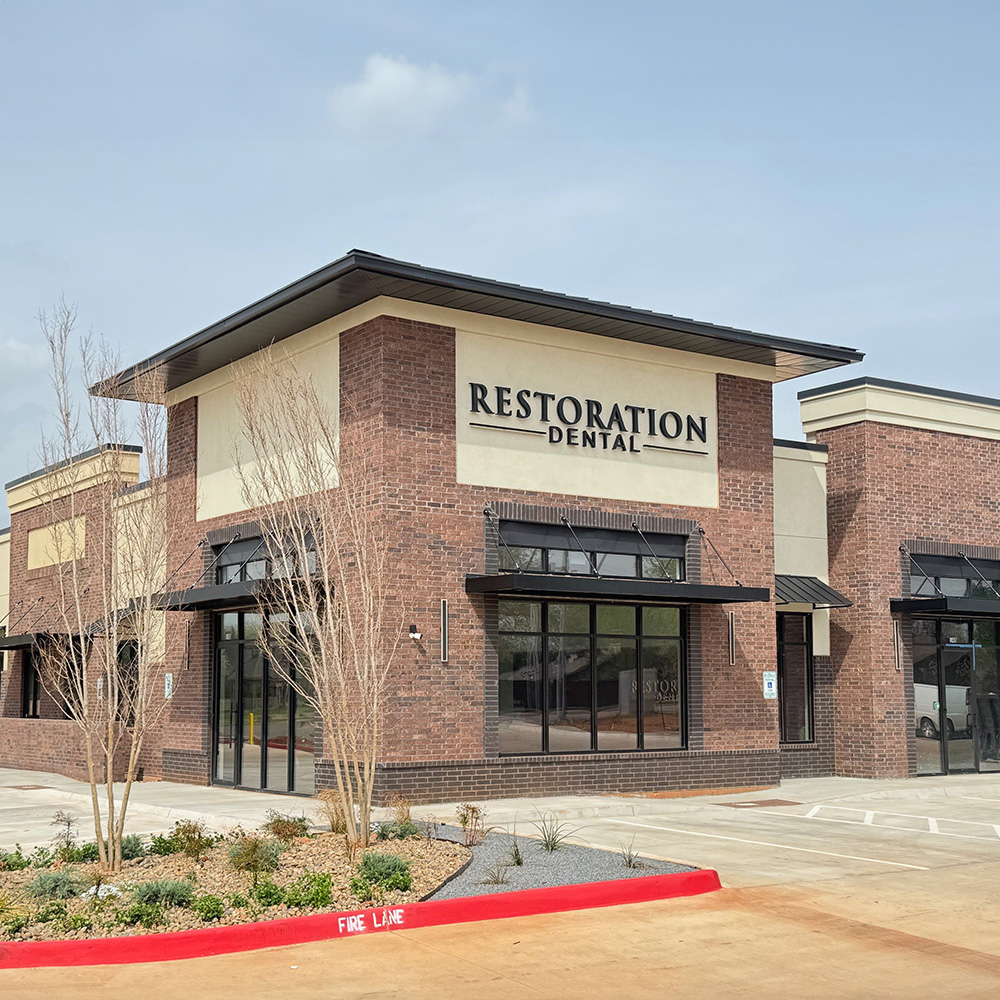
Ready to schedule your next appointment or learn more about our services?
Getting in touch with Restoration Dental is simple! Our welcoming staff is here to help you schedule appointments, answer questions about treatments, and address any concerns you may have. Whether you’d like to call or use our easy online contact form, we’re always ready to assist. Don’t wait to take the first step toward a healthier, more confident smile – contact us today and experience the difference of personalized dental care.