When a sudden toothache or oral injury occurs, the first priority is to contain discomfort and prevent further damage. Start by rinsing gently with warm water to clear debris, then apply a cold compress to the cheek to reduce swelling. Avoid placing aspirin or other medications directly on the gum or tooth — that can irritate soft tissues. If a tooth is knocked loose or completely avulsed, try to recover the tooth without scraping the root; if possible, rinse it briefly and keep it moist in milk or saliva until you can be seen.
Not every oral problem requires an immediate emergency clinic visit, but certain signs should prompt urgent attention: severe, unrelenting pain; uncontrolled bleeding; facial swelling that affects breathing or swallowing; or a tooth that is completely dislodged. If you notice any of these symptoms, contact the office as soon as you are able. Prompt action can mean the difference between saving a natural tooth and needing more invasive treatment later on.
While you wait for professional care, simple measures can help: gentle flossing can remove trapped food that may be causing pain, over-the-counter pain relievers (taken per label instructions) can reduce discomfort, and avoiding hard or chewy foods will minimize the risk of further damage. Keep in mind that these are temporary measures intended to stabilize the situation until you receive definitive care from the dental team.
Dental emergencies take many forms, and recognizing them helps both you and the care team respond effectively. Common issues include severe toothaches, chipped or fractured teeth, lost restorations, acute abscesses, and problematic wisdom teeth. Soft-tissue injuries and suspicious oral lesions also appear as urgent concerns. Our office triages each case to determine the appropriate level of care quickly and efficiently.
When you arrive with an acute problem, the clinical team will assess pain, infection risk, and structural damage to determine immediate priorities. For example, a loose crown may be re-cemented or temporarily stabilized to protect the underlying tooth, while a fractured tooth might need smoothing and a temporary restoration to prevent further breakage. In cases of infection, controlling the spread and addressing source of infection are central to short-term treatment.
To help you understand the range of urgent conditions we treat, here are typical presentations we handle regularly:
An emergency visit typically begins with a focused medical and dental history, followed by a clinical exam to pinpoint the source of pain or dysfunction. Diagnostic imaging, such as digital radiographs or CBCT when indicated, helps reveal hidden fractures, root issues, or the extent of infection. Establishing the correct diagnosis early allows clinicians to design a treatment plan that balances immediate relief with long-term prognosis.
Pain control is addressed promptly through local anesthesia, short courses of appropriate medications, or procedural interventions when needed. If an infection is present, the team may prescribe antibiotics alongside drainage or debridement when indicated. For structural damage, treatments can range from smoothing rough edges and placing temporary restorations to performing definitive therapy such as fillings, crowns, or root canal treatment.
Throughout the visit, the emphasis is on clear communication and shared decision-making. The dental team will explain the rationale for each proposed step, outline expected recovery, and review any follow-up care needed. If sedation or advanced imaging is recommended, the office will ensure you understand the benefits and what to expect before moving forward with treatment.
Whenever possible, preserving a natural tooth is the preferred outcome. Treatments such as dental bonding, fillings, and crowns restore structure and function for teeth with minor to moderate damage. When the dental pulp is involved, root canal therapy can remove infected tissue while retaining the tooth, with success rates high when performed promptly and properly.
There are circumstances, however, where extraction becomes the most appropriate course: severe root fractures, extensive decay that compromises structural integrity, non-restorable infections, or teeth that endanger surrounding tissues. When extraction is necessary, the team will discuss replacement options so that you can make an informed choice about restoring chewing function and appearance.
Modern tooth-replacement solutions are predictable and durable. Options include dental implants, fixed bridges, and removable dentures. Dental implants, in particular, offer a method to restore a missing tooth while helping maintain jawbone health. The practice will help you evaluate each option based on your health history, oral condition, and personal goals, guiding you to a plan that supports long-term oral wellness.
Recovery after emergency dental treatment varies with the procedure performed. Simple repairs may require only a short period of sensitivity and a brief follow-up, while root canal therapy or extractions often involve a longer healing window. The team will provide specific instructions for pain management, oral hygiene during recovery, and signs to watch for that would warrant an earlier return visit.
Preventing future emergencies is an important focus of ongoing care. Regular dental exams and cleanings catch small problems before they escalate, and protective measures — such as nightguards for bruxism and fitted mouthguards for sports — reduce the risk of traumatic damage. Early treatment of cavities and periodontal issues also lowers the chance of painful acute episodes.
When an emergency arises, responsive, well-coordinated care makes a significant difference. Restoration Dental and its clinical team emphasize timely evaluation, evidence-based treatment, and patient education so you can recover confidently and reduce the likelihood of repeat incidents.
In summary, dental emergencies require a calm, systematic response: stabilize the situation, seek professional assessment, and follow recommended treatment and aftercare. If you have questions about an urgent oral health issue or need guidance on what to do next, please contact us for more information.


Rinse your mouth gently with warm water to remove debris and apply a cold compress to the outside of the cheek to reduce swelling and pain. Control bleeding with gentle pressure using clean gauze or a cloth and avoid placing medications directly on the gum or tooth. If the tooth has been knocked out, handle it by the crown, briefly rinse without scrubbing the root, and keep it moist in milk or saliva while seeking urgent care.
Time is critical for replantation, so contact your dental provider immediately and travel to the office or emergency clinic without delay. If you cannot get to a dentist right away, store the tooth in an appropriate liquid such as milk or a tooth preservation kit rather than dry. Do not wrap the tooth in tissue or cloth, and avoid attempting to force a damaged tooth back into the socket on your own.
Severe, unrelenting pain, significant facial swelling, difficulty breathing or swallowing, and uncontrolled bleeding are signs that a toothache or oral problem may be an emergency. Mild sensitivity to hot or cold or occasional discomfort is often not urgent, but persistent or worsening symptoms merit prompt evaluation. Fever, a spreading area of redness, or a foul taste in the mouth can indicate infection and require immediate attention.
If you experience any of these red-flag symptoms, contact your dental office as soon as possible so the team can triage your case. Early intervention can prevent the progression of infection and improve the chances of saving the affected tooth. When in doubt, seek professional advice rather than waiting, since timely care improves outcomes.
Saving a knocked-out tooth is possible, but success depends on prompt action, how the tooth is handled, and the storage medium used after the injury. Teeth that are replanted within an hour have the best prognosis, while longer periods outside the mouth reduce the chance of successful reintegration. Mature teeth often require root canal therapy after replantation to address damage to the pulp and reduce the risk of infection.
Bring the tooth and any fragments with you to your appointment and tell the dental team exactly how the injury occurred and how the tooth was stored. The practice will evaluate the tooth, take appropriate radiographs, and discuss options such as immediate replantation, splinting, or referral for further care. Restoration Dental's clinicians follow established protocols to maximize the likelihood of saving natural teeth whenever possible.
Rinse your mouth with warm water and apply a cold compress to reduce swelling after a chip or fracture, then collect any tooth fragments if they are available. Avoid chewing on the injured tooth and use soft foods until you can be seen to minimize further damage. Over-the-counter pain relievers taken according to the label can help control discomfort while you arrange for treatment.
At the emergency visit the dentist will assess the extent of the fracture and may smooth sharp edges or place a temporary restoration to protect the tooth. Depending on the severity, definitive care might include bonding, a crown, or root canal therapy if the pulp is involved. Prompt evaluation reduces the risk of further breakage, infection, or long-term complications.
Dental abscesses and acute infections typically present with throbbing pain, localized swelling, and sometimes fever or malaise, and they can progress rapidly if left untreated. The initial goal in an emergency is to control pain and limit the spread of infection while evaluating the source. This may involve draining a localized collection, initiating appropriate antimicrobial therapy, and planning definitive treatment to address the tooth or periodontal issue.
Treatment options depend on the origin of the infection and may include root canal therapy to remove infected pulp, extraction of a nonrestorable tooth, or periodontal procedures to manage gum-related infections. Antibiotics are used when infection has spread or systemic signs are present, but they do not replace the need for definitive dental care. Follow-up visits ensure healing and allow the clinician to monitor for recurrence or complications.
Antibiotics are prescribed in dental emergencies when there is evidence of spreading infection, systemic involvement, or a high risk of bacteremia, and they serve as an adjunct to definitive dental treatment. They are not a substitute for procedures that remove the source of infection, such as drainage, root canal therapy, or extraction. Your clinician will review your medical history, allergies, and current medications before selecting an appropriate antibiotic regimen when indicated.
Overuse or inappropriate use of antibiotics can lead to resistance and other complications, so they are prescribed judiciously and for a specified duration. If antibiotics are prescribed, complete the course as directed and report any adverse reactions immediately. The dental team will also schedule any necessary follow-up care to resolve the underlying cause of infection.
If a crown or filling comes loose or falls out, retrieve and store the restoration in a clean container and avoid chewing on the affected side to prevent further damage. Rinse the mouth gently and, if the tooth is sensitive, use a desensitizing toothpaste or an over-the-counter analgesic according to label instructions. Do not attempt to reattach the restoration with household glues or dental materials not meant for intraoral use.
A dental appointment can determine whether the restoration can be re-cemented or if a new restoration is necessary to restore function and prevent decay. Timely repair reduces the risk of fracture, infection, and additional restorative needs. The team will also assess adjacent teeth and soft tissues to ensure no hidden damage occurred.
Wisdom teeth can cause emergencies when they become impacted, infected, or cause severe pain and swelling, and pericoronitis around a partially erupted tooth is a common acute problem. Symptoms that warrant urgent evaluation include intense discomfort, difficulty opening the mouth, spreading facial swelling, or signs of systemic involvement. Prompt assessment helps control infection and determines whether an extraction or other intervention is needed.
Initial emergency management may include cleaning and irrigation of the area, pain control, and antibiotics when infection is present or spreading. When extraction is necessary, options for analgesia range from local anesthesia to IV sedation depending on complexity and patient comfort. Follow-up care focuses on healing, infection prevention, and instructions for safe recovery.
At an emergency visit the team will begin with a focused medical and dental history, followed by a clinical exam and any indicated imaging to identify the source of pain or dysfunction. Pain control is addressed promptly through local anesthesia or other measures, and the clinician will prioritize interventions that stabilize the situation. The treatment plan balances immediate relief with the long-term prognosis of the affected tooth and surrounding tissues.
After initial stabilization the dentist will explain recommended next steps, obtain informed consent, and arrange any necessary follow-up or referrals for definitive care. Sedation or advanced imaging may be discussed when appropriate to facilitate treatment and improve diagnostic accuracy. Restoration Dental emphasizes clear communication so you understand the rationale for care and what to expect during recovery.
Regular dental exams and professional cleanings identify small problems before they become emergencies and are the foundation of prevention. Using protective appliances such as nightguards for bruxism and fitted mouthguards for contact sports reduces the risk of traumatic tooth damage. Good daily oral hygiene, early treatment of cavities, and prompt attention to periodontal concerns also lower the chance of acute, painful episodes.
Avoid using teeth as tools to open packages, limit hard or sticky foods that can fracture restorations, and address habits that place excessive force on teeth. If you have conditions that increase emergency risk, such as uncontrolled diabetes or immune compromise, maintain close communication with your dental and medical providers. The team at Restoration Dental can help you develop a personalized prevention plan and advise on protective measures tailored to your needs.
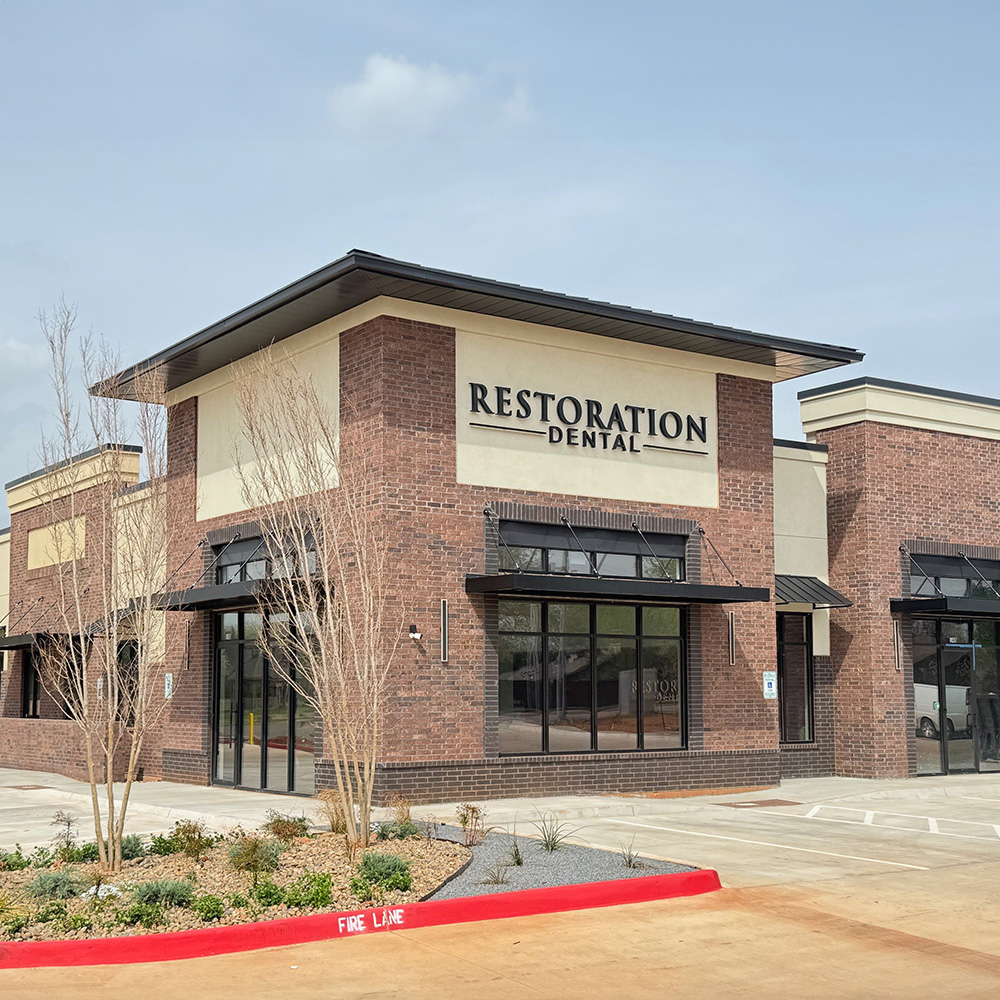
Ready to schedule your next appointment or learn more about our services?
Getting in touch with Restoration Dental is simple! Our welcoming staff is here to help you schedule appointments, answer questions about treatments, and address any concerns you may have. Whether you’d like to call or use our easy online contact form, we’re always ready to assist. Don’t wait to take the first step toward a healthier, more confident smile – contact us today and experience the difference of personalized dental care.