At the office of Restoration Dental, we prioritize preserving natural teeth whenever possible, but there are situations when removing a tooth is the safest path to protect your overall oral health. Extractions are performed to eliminate sources of pain, stop the spread of infection, and create the conditions needed for effective restorative treatment. Our goal is always to recommend the least invasive option that reliably achieves a healthy, functional mouth.
Deciding whether a tooth can be saved or should be removed involves a careful blend of clinical examination, dental imaging, and consideration of your long-term oral goals. We’ll review your symptoms, medical history, and diagnostic images to determine whether extraction is indicated and, if so, which approach will be the most predictable and comfortable for you. Every recommendation is individualized — what’s appropriate for one patient may not be for another.
Understanding the common reasons teeth are removed can help you feel more informed when discussing treatment options. Below are situations we commonly encounter where extraction is considered the most appropriate solution. Each case is reviewed thoroughly so you know what to expect and what alternatives (if any) might be available.
Baby teeth that won’t fall out or are severely damaged
Sometimes a deciduous tooth remains firmly attached even after the permanent tooth below it is ready to erupt. This can happen when the root fails to resorb or the tooth becomes fused to the bone. Retained baby teeth can block proper eruption, alter development, and affect alignment, so timely removal is important to protect your child’s developing smile.
Permanent teeth with extensive decay that cannot be restored
When decay progresses deep into a tooth and has compromised the majority of its structure, restoration may no longer be feasible. Leaving a non-restorable tooth in place risks infection and damage to adjacent teeth. In those instances, extraction removes the diseased tissue and prevents further complications.
Teeth that are fractured beyond repair
Cracks and fractures come in many forms, and minor chips can often be repaired. If the fracture extends into critical areas of the root or there is insufficient remaining tooth to support a restoration, extraction may be the safest option. We consider the extent of the damage and discuss replacement solutions when removal is recommended.
Advanced periodontal disease that has weakened support
Chronic gum disease can destroy the bone and soft tissues that hold teeth in place. When support is lost and teeth become mobile or painful, extraction can stop ongoing tissue loss and allow us to focus on stabilizing the surrounding dentition and restoring oral health.
Impacted, misaligned, or decayed wisdom teeth
Third molars frequently lack the space needed to erupt properly. When wisdom teeth are impacted, creating pain, recurrent infection, or damage to neighboring teeth, we often recommend removal. In many young adults, early extraction of problematic third molars simplifies care and reduces future risk.
Teeth removed as part of orthodontic treatment
In some orthodontic plans, removing one or more permanent teeth creates the space needed to align the remaining teeth and establish a stable, attractive bite. Extractions are considered only when necessary and are coordinated closely with your orthodontist to support the best functional and aesthetic outcome.

Before any tooth is removed, we take time to evaluate your overall health and the specific circumstances around the tooth in question. This includes a review of your medical history, current medications, and any conditions that could affect healing. Digital radiographs are often taken to assess root shape, bone levels, and the relationship of the tooth to nearby structures. That information guides whether the extraction will be straightforward or require a more surgical approach.
We make patient comfort a priority. Local anesthesia is used to numb the area completely for both simple and surgical extractions. For patients with anxiety, complex medical histories, or multiple teeth to be removed, sedation dentistry options can be discussed to help you remain calm and comfortable throughout the procedure. Your safety and peace of mind are important to us; we’ll explain the recommended plan and answer any questions before beginning.
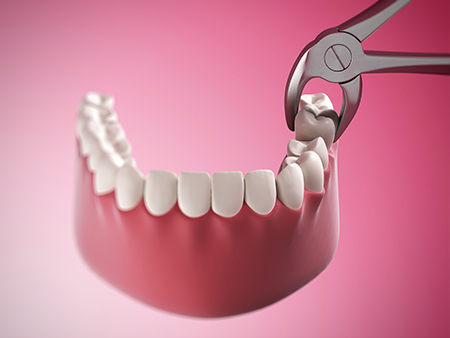
Simple extractions typically involve loosening the tooth and removing it with forceps after the area is anesthetized. Surgical extractions are used when the tooth has broken at the gumline, is impacted, or when roots are curved or fused to bone. Surgical removal may involve a small incision and minor bone removal to gain access, and sometimes sutures are placed to promote optimal healing. When a specialist’s expertise is needed, we will coordinate a referral to an oral and maxillofacial surgeon.
Simple extractions are performed when the entire visible portion of the tooth can be grasped and removed without extensive bone removal. After numbing the site, the dentist gently expands the socket and applies forceps to extract the tooth. The technique is efficient and typically involves a quick recovery. We’ll review aftercare instructions and any signs to watch for before you leave the office.
Surgical extractions are indicated for teeth that are broken, impacted, or otherwise inaccessible with routine methods. The procedure is performed under local anesthesia, and additional sedation can be arranged if needed. Surgical removal allows controlled access to the tooth and surrounding bone, minimizing trauma and setting the stage for uneventful healing. Clear pre-operative instructions and post-operative support are provided to ensure the best possible outcome.
Good aftercare reduces risk and speeds recovery. Most patients tolerate simple extractions with little difficulty, but following a few practical precautions makes a big difference. We give specific, written post-operative instructions tailored to your procedure, and we’ll explain medication plans, activity restrictions, and follow-up needs. Paying attention to these guidelines helps protect the blood clot that forms at the extraction site and promotes uncomplicated healing.
Expect some degree of swelling and mild discomfort for the first 48–72 hours; both are normal and manageable with the recommended measures. If you experience unexpectedly heavy bleeding, severe pain, or signs of infection such as fever or persistent bad taste, contact our office so we can evaluate you promptly. Most concerns can be addressed quickly with a brief follow-up visit or a change in your care plan.
Before you leave, we’ll discuss replacement options if the extracted tooth needs to be restored for function or esthetics. Planning for how a gap will be managed — whether with a denture, bridge, or dental implant — can begin right away, and we’ll work with you to determine the best timeline for future restorative care.
Use gauze pressure as directed
Biting on gauze helps a clot form at the extraction site and control bleeding. Keep firm but gentle pressure for the interval recommended by your clinician, changing the gauze if it becomes saturated. Light oozing can continue for up to 24 hours, but contact us if bleeding remains heavy or persistent.
Protect numb tissues
Avoid chewing, touching, or applying pressure to the area until sensation returns. Numb lips or tongue are easily bitten, which can cause injury—exercise care until the anesthetic fully wears off.
Take medications as prescribed
Antibiotics:
If antibiotics are prescribed, take them exactly as directed and complete the full course to reduce the risk of infection.
Pain management:
For discomfort, start with the recommended over-the-counter options or take prescription medications as directed. Taking a pain reliever before the local anesthetic fully wears off can help reduce peak discomfort.
Avoid rinsing, spitting, or using a straw initially
These actions can dislodge the clot and lead to delayed healing or a painful dry socket. Wait until the time frame your clinician recommends before beginning gentle rinses.
Manage swelling with cold
Short applications of an ice pack to the face near the extraction site during the first 24 hours will reduce swelling. Use 10-minute intervals as needed and follow other instructions provided for comfort.
Don’t smoke
Tobacco use interferes with clot formation and healing. Avoid smoking for at least a week following extraction to support recovery.
Choose soft, cool foods
Stick to liquids and soft foods for the first day or two, avoiding hot, spicy, or crunchy items that could irritate the area. Stay well hydrated.
Maintain gentle oral hygiene
Keep the rest of your mouth clean by brushing and flossing normally, taking care to avoid aggressive cleaning at the extraction site. When appropriate, a mild saltwater rinse can be used to freshen the mouth after the initial healing window.
Attend any scheduled follow-up
If sutures were placed or complications are possible, we’ll arrange a follow-up visit to monitor healing. Keeping this appointment allows us to remove stitches if needed and ensure recovery is progressing as expected.
If you notice worsening symptoms such as increasing pain, swelling, persistent bleeding, or any unusual changes, contact the office for prompt evaluation.
Removing a tooth is often the first step toward restoring comfort and health. When a tooth is lost or must be removed, the space it leaves can be replaced in several reliable ways, depending on your needs and the condition of the surrounding tissues. Options commonly include removable dentures, fixed dental bridges, and dental implants — each has advantages that we’ll review with you in the context of function, durability, and long-term oral health.
Dental implants offer a stable, long-term solution that helps preserve bone and mimics the appearance and function of a natural tooth. Bridges and well-designed dentures remain excellent alternatives for many patients depending on the situation. Our team will help you weigh the clinical factors and personal preferences that influence which restorative choice is best.
At Restoration Dental, we emphasize conservative care, clear communication, and collaborative treatment planning. If extraction is part of your plan, we’ll coordinate the sequence of care so that healing and restoration proceed smoothly. You’ll receive practical guidance about timing, temporary solutions if needed, and the steps involved in achieving a comfortable, functional outcome.
Summary: Tooth extraction is sometimes the most effective way to protect oral health, relieve pain, and set the stage for successful restoration. Our approach is focused on careful evaluation, patient comfort, and thoughtful planning for what comes next. Contact us to learn more about extractions and the restorative options available — we’re here to answer your questions and help you make an informed decision.


We strive to preserve natural teeth whenever possible, but extraction becomes necessary when a tooth is severely damaged, infected, or interfering with overall oral health. Common clinical reasons include non-restorable decay, fractures that extend below the gum line, advanced periodontal disease with significant bone loss, and retained baby teeth that block proper eruption. Impacted third molars that cause pain or recurrent infection may also require removal to protect surrounding teeth and tissues.
Determining the need for extraction involves a thorough clinical exam, review of your medical history, and diagnostic imaging such as digital radiographs or cone beam CT when indicated. Your clinician will explain alternatives and why extraction is the most predictable option for your situation, then discuss the next steps for healing and future restoration if needed.
The decision between a simple and surgical extraction depends on how accessible the tooth is and the condition of its roots and surrounding bone. Simple extractions are appropriate when the entire visible crown can be grasped with forceps after local anesthesia, while surgical extractions are required for broken, impacted, or otherwise inaccessible teeth.
Imaging helps reveal root curvature, proximity to anatomical structures, and the extent of impaction, all of which guide the surgical plan. When a surgical approach is indicated, the clinician will describe the technique, any necessary incisions or bone removal, and whether sutures or a referral to an oral surgeon are needed to ensure a safe outcome.
Before any extraction, we review your medical history, current medications, and any conditions that might affect healing or anesthesia. Digital radiographs are often taken to evaluate root anatomy and surrounding bone, and the team will explain the recommended approach and answer your questions so you feel informed and comfortable.
On the day of the procedure, local anesthesia is administered to numb the area, and sedation options can be arranged for anxiety or complex cases. The actual removal may be brief for simple extractions or take longer for surgical cases, and you’ll receive clear post-operative instructions and contact information in case concerns arise during recovery.
During the procedure, local anesthesia numbs the tissues so you should not feel pain, only pressure or movement. For patients who are anxious or undergoing more involved surgery, we offer sedation options to help you remain calm and comfortable throughout the procedure.
After the anesthetic wears off some soreness and swelling are normal, but pain can usually be managed with the recommended over-the-counter or prescription medications and common comfort measures. If you experience severe pain, prolonged bleeding, or signs of infection, contact the office promptly so we can evaluate and treat any complications.
Extractions are common procedures but, like all surgeries, they carry potential risks such as bleeding, infection, dry socket (alveolar osteitis), and, rarely, nerve injury or sinus communication when upper back teeth are removed. Your clinician will review risk factors with you prior to the procedure and take steps to minimize complications through careful technique and appropriate use of antibiotics or sutures when indicated.
If a complication occurs, our team provides timely management tailored to the issue, which may include local care for dry socket, antibiotics or drainage for infection, and follow-up visits to monitor healing. Serious or complex complications are managed collaboratively with specialists when necessary to ensure the best possible outcome.
Proper aftercare is essential to protect the blood clot and promote healing. Bite firmly but gently on gauze as directed to control bleeding, avoid rinsing, spitting, or using a straw for the first 24 hours, and refrain from smoking because tobacco interferes with clot formation and healing.
Manage swelling with intermittent cold packs during the first 24 hours and follow the prescribed medication plan for pain and any antibiotics. Maintain oral hygiene by gently brushing the nonoperative areas and beginning saltwater rinses when your clinician advises, and eat soft, cool foods until comfort and function improve.
Initial soft tissue healing typically occurs within one to two weeks, with most patients returning to routine activities within a few days depending on the complexity of the extraction. Bone remodeling and complete maturation of the extraction site can take several months, which is important to consider when planning restorative care such as implants or bridges.
Recovery varies by patient and is influenced by factors such as overall health, smoking status, and whether the extraction was surgical. You should attend any scheduled follow-ups so your clinician can confirm healing and advise when it is appropriate to proceed with tooth replacement or additional treatment.
Replacing a missing tooth is important to restore function, prevent neighboring teeth from shifting, and preserve bone in the jaw. In many cases planning for a replacement begins before or at the time of extraction, and options commonly include dental implants, fixed bridges, or removable dentures depending on clinical needs and patient preferences.
Dental implants are often recommended when preserving jawbone and achieving long-term stability are priorities, and timing for implant placement depends on factors such as infection, bone quality, and healing progress. Your treatment team at Restoration Dental will review the restorative options and a timeline that best supports predictable healing and the outcome you want.
Yes, extractions are sometimes used as part of an orthodontic plan to create space for proper alignment, correct crowding, or address bite discrepancies. Such decisions are made in close coordination with your orthodontist, and extractions are considered only when they will support a stable functional and aesthetic result.
When extractions are indicated for orthodontic purposes, the timing and selection of teeth are planned collaboratively to integrate healing and appliance therapy. Your dentist and orthodontist will communicate about the sequence of treatment and any temporary or long-term restorative needs that arise from those extractions.
Wisdom teeth do not always require removal; many people retain asymptomatic, fully erupted third molars without problems. Removal is recommended when wisdom teeth are impacted, cause recurrent infections, damage adjacent teeth, contribute to crowding, or are associated with cysts or other pathology.
Because third molar extraction can become more complex with age, clinicians often monitor development with periodic imaging and recommend removal when risk of future problems is high. When extraction is advised, the team will explain whether a simple or surgical approach is needed and discuss anesthesia and post-operative care to support a smooth recovery.
Ready to schedule your next appointment or learn more about our services?
Getting in touch with Restoration Dental is simple! Our welcoming staff is here to help you schedule appointments, answer questions about treatments, and address any concerns you may have. Whether you’d like to call or use our easy online contact form, we’re always ready to assist. Don’t wait to take the first step toward a healthier, more confident smile – contact us today and experience the difference of personalized dental care.