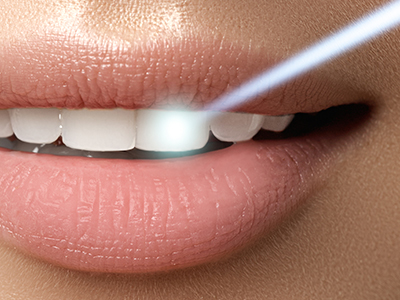
Laser dentistry uses focused light energy to interact with oral tissues in controlled ways. Unlike traditional instruments that rely on mechanical cutting, lasers work by delivering concentrated beams of light that can vaporize, coagulate, or stimulate tissue depending on the wavelength and power used. This versatility makes lasers suitable for a range of dental tasks, from treating soft-tissue conditions to assisting with certain hard-tissue procedures.
For patients, the practical benefit of laser dentistry is the ability to receive precise care with reduced collateral impact on surrounding tissues. Because lasers can target only the area that needs attention, they often preserve more healthy structure than more invasive methods. That focus also tends to reduce the typical side effects associated with some procedures, such as swelling or prolonged bleeding.
Dental professionals select laser systems based on the procedure and clinical goals. Different lasers are optimized for soft tissue, like gingival sculpting or lesion removal, while others are designed for hard tissues, like enamel and dentin. Understanding these distinctions helps patients make informed decisions and sets realistic expectations before treatment begins.
Lasers are increasingly common in routine and specialty dentistry because they adapt to many clinical scenarios. Dentists use them to manage periodontal disease by removing inflamed tissue and reducing bacterial load in pockets. They can also assist in soft-tissue biopsies, precisely excising suspicious lesions with minimal trauma and quicker recovery compared with scalpel techniques.
In restorative dentistry, lasers can help prepare small cavities and activate certain bonding agents, improving the fit and finish of fillings. Cosmetic procedures, such as gum recontouring for a more balanced smile or in-office teeth whitening activation, also take advantage of laser energy for refined outcomes. In oral surgery, lasers may be used to remove benign growths or to perform minimally invasive frenectomies.
Across these applications, patients frequently benefit from reduced need for sutures, less bleeding during the procedure, and often a shorter healing period. This combination of clinical precision and patient comfort makes laser-assisted care an attractive option when appropriate for the condition being treated.
One reason patients prefer laser procedures is the relative comfort during and after treatment. Many laser applications require little or no direct contact with the tissue, and because the beam generates minimal vibration and pressure, it can significantly reduce the sensations that typically cause anxiety. For some procedures, local anesthesia is still used, but many patients report a more tolerable experience overall.
During recovery, the laser’s ability to cauterize small blood vessels often leads to less postoperative bleeding and swelling. That can translate into a more manageable recovery period and fewer restrictions on daily activities. Because lasers tend to be tissue-conserving, the body’s natural healing processes are supported rather than overwhelmed.
It’s important for patients to follow their clinician’s aftercare instructions to maximize outcomes. Typical guidance may include gentle oral hygiene, avoiding irritants during initial healing, and attending follow-up appointments so the practitioner can monitor tissue response and intervene if needed.
Precision is a distinguishing strength of laser dentistry. When properly calibrated, lasers remove or modify only the intended tissue while leaving adjacent structures largely unaffected. This selective action is especially valuable in areas where preserving healthy tissue is critical for long-term function and appearance, such as near the margins of a tooth or along the gumline.
Modern dental lasers incorporate safety features and are used within established clinical protocols to minimize risks. Protective eyewear for both patient and clinician is standard, and power settings are adjusted according to the tissue type and the desired clinical effect. Licensed professionals receive training in laser-tissue interactions to ensure treatments are effective and safe.
That combination of targeted action and trained application helps reduce common complications like excessive bleeding, damaged adjacent tissue, or unnecessary removal of healthy tooth structure. When lasers are not appropriate for a given case, an experienced clinician will recommend alternative methods that better meet clinical needs.
Not every dental problem is well-suited to laser therapy, and the decision to use a laser rests on clinical judgment. Dentists evaluate factors such as the location and extent of the issue, the type of tissue involved, and the patient’s overall oral health. For example, while lasers are excellent for many soft-tissue procedures and select restorative tasks, they are not a universal replacement for traditional instruments in every context.
Patients should expect a candid discussion about the role of lasers in their treatment plan. A clinician will explain why a laser is or is not recommended, outline the steps of the procedure, and describe the anticipated benefits and any limitations. This transparent conversation helps align expectations and ensures patients understand how laser therapy fits into comprehensive care.
If you are curious about laser options, bring your questions to your appointment. Ask about the specific type of laser being proposed, the experience level of your dental team with that technology, and what recovery will look like. Clear communication empowers patients to weigh the advantages of laser-assisted care alongside other clinically appropriate alternatives.
In summary, laser dentistry adds a valuable set of tools to modern dental care by offering greater precision, often improved patient comfort, and faster recovery in many procedures. While it is not the ideal choice for every situation, when used thoughtfully it can enhance outcomes and preserve healthy tissue. Restoration Dental integrates advanced technologies with patient-centered care to determine when laser therapies are appropriate for individual treatment plans.
If you’d like to learn more about how laser dentistry might fit into your oral care, please contact us for more information. Our team is happy to discuss options, answer questions, and help you understand whether laser treatment is a good match for your needs.


Laser dentistry uses concentrated light energy to interact with oral tissues in precise, controlled ways. Different wavelengths are selected for specific tasks so the beam can vaporize, coagulate, or stimulate tissue depending on the clinical objective. Because the energy is targeted, lasers can treat only the intended area rather than relying on broad mechanical cutting.
The application varies by tissue type: some lasers are optimized for soft tissue such as gums, while others are designed to affect hard tissues like enamel and dentin. The clinician adjusts power and pulse settings to achieve the desired effect while protecting surrounding structures. Proper selection and calibration are essential to deliver predictable, reproducible results.
Dental lasers are used across general, cosmetic, and surgical dentistry for a range of procedures. Common applications include gum recontouring, removal of benign soft-tissue lesions, frenectomies, aiding in periodontal pocket debridement, and assisting with certain minor oral surgeries. In restorative care, lasers can help prepare small cavities, modify dentin, or activate bonding agents.
Lasers are also used to enhance cosmetic treatments such as gum sculpting for a more balanced smile and to support in-office whitening procedures. Their use is often complementary rather than exclusive, meaning lasers are used alongside traditional instruments when appropriate. The specific laser type and technique depend on the treatment goals and the clinical situation.
One primary benefit of laser dentistry is precision: lasers can remove or reshape tissue with minimal effect on adjacent structures, which helps preserve healthy tissue. That precision often results in less bleeding during the procedure because lasers typically coagulate small blood vessels as they work. Many patients experience reduced swelling and a shorter recovery period compared with some traditional techniques.
Lasers can also reduce the need for sutures in certain soft-tissue procedures and may lower the bacterial load in periodontal pockets, supporting improved healing. Additionally, the reduced vibration and pressure associated with laser use may increase patient comfort and decrease procedural anxiety for some individuals. These advantages make lasers a valuable option for appropriately selected treatments.
When used by trained professionals within established protocols, laser dentistry is considered safe and effective for many applications. Safety measures include the use of protective eyewear for both patient and staff, appropriate shielding, and strict adherence to manufacturer guidelines on power settings and exposure times. Clinicians undergo specific training to understand laser-tissue interactions and to select the right device and parameters for each procedure.
Modern dental lasers incorporate built-in safeguards, and the clinical team monitors tissue response continuously to avoid unintended effects. If a laser is not suitable for a given condition, an experienced clinician will recommend alternate techniques that better meet clinical needs. Open communication about risks, benefits, and expected outcomes is part of standard informed-consent practices.
Pain during laser procedures is often reduced compared with some traditional methods because lasers produce little vibration and can work without direct mechanical contact. Many soft-tissue laser procedures require little or no local anesthesia, although anesthesia may still be used for patient comfort depending on the area and extent of the work. Individual sensitivity varies, so clinicians tailor anesthesia and pain-control strategies to the patient and the procedure.
After treatment, patients commonly report less postoperative discomfort, swelling, and bleeding because the laser cauterizes small blood vessels and minimizes trauma. Standard aftercare recommendations—such as gentle oral hygiene, avoiding irritants, and following any prescribed topical or oral instructions—help support a comfortable recovery. If pain or unexpected symptoms occur, patients should contact their dental team promptly for assessment.
Recovery time after a laser procedure depends on the type and extent of treatment but is often shorter than recovery from more invasive surgical techniques. For many soft-tissue procedures, healing may be evident within a few days, while deeper or combined procedures may require a longer period of tissue remodeling. The precision of lasers tends to limit collateral damage, which supports a faster and more comfortable healing process in suitable cases.
Patients receive specific aftercare instructions tailored to their procedure, which commonly include recommendations for oral hygiene, dietary considerations, and follow-up visits. Adhering to these instructions and attending scheduled checkups allows the clinician to monitor healing and address any concerns early. Individual health factors, such as smoking or systemic conditions, can also influence the pace of recovery.
Lasers are increasingly used as an adjunctive tool in periodontal therapy because they can remove inflamed soft tissue and reduce bacterial levels within periodontal pockets. In some protocols, lasers are used in combination with scaling and root planing to enhance debridement and disinfect hard-to-reach areas. The targeted action of certain laser wavelengths can help manage the diseased tissue while preserving healthy structures.
Clinical results vary by case, and lasers are not a universal replacement for conventional periodontal therapy or surgical intervention when those approaches are indicated. A comprehensive periodontal assessment guides the treatment plan, and clinicians choose laser therapy when evidence and clinical judgment suggest it will improve outcomes. Follow-up care and ongoing hygiene remain central to long-term periodontal health.
Yes, dental lasers can be used in select restorative procedures to prepare small cavities, modify dentin, and enhance the bonding process for some materials. Certain lasers can remove decayed tissue in a conservative manner and can also be used to selectively treat tooth structure when appropriate. Additionally, lasers may be employed to activate bonding agents or improve adhesion in specific protocols.
However, lasers are not a complete substitute for conventional rotary instruments in all restorative situations; their use depends on the size, location, and depth of the lesion as well as the type of restoration planned. Dentists evaluate each case to determine whether a laser-assisted approach will deliver the best balance of preservation, function, and durability for the restoration.
The decision to use a laser is based on clinical assessment, treatment goals, tissue type, and the evidence supporting laser use for the specific condition. Clinicians consider the location and extent of the problem, the patient’s overall oral and medical history, and whether laser use will preserve more healthy tissue or improve healing. In many cases, lasers are used alongside traditional instruments rather than replacing them entirely.
Transparent discussion with the patient about advantages, limitations, and alternatives is part of standard care. The dental team explains the rationale for the chosen approach, the expected outcomes, and the steps involved so patients can make an informed decision about their treatment plan. If laser therapy is not recommended, clinicians outline other clinically appropriate options.
To determine whether laser dentistry is appropriate, schedule a consultation so a clinician can perform a thorough oral exam and review your history and treatment goals. During that visit the team will explain the specific type of laser proposed, the intended clinical benefits, and any limitations for your case. Asking questions about the clinician’s experience with the device and what to expect during recovery helps clarify whether laser-assisted care matches your priorities.
To arrange a consultation or learn more about laser options, contact Restoration Dental at (405) 757-1710 or visit the office at 101 E Memorial Rd, Suite 100, Edmond, OK 73114. Our team can review available technologies and recommend a treatment plan tailored to your oral health needs.
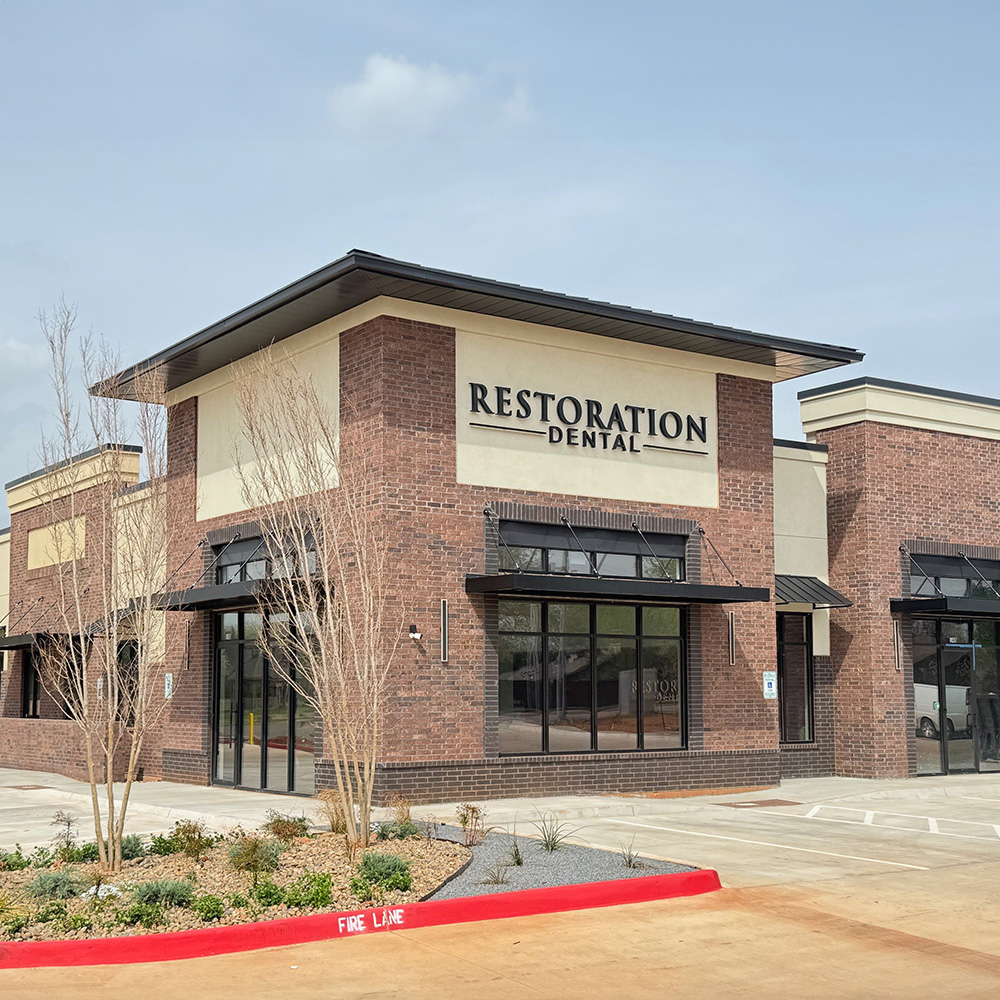
Ready to schedule your next appointment or learn more about our services?
Getting in touch with Restoration Dental is simple! Our welcoming staff is here to help you schedule appointments, answer questions about treatments, and address any concerns you may have. Whether you’d like to call or use our easy online contact form, we’re always ready to assist. Don’t wait to take the first step toward a healthier, more confident smile – contact us today and experience the difference of personalized dental care.