At the office of Restoration Dental, we view pediatric dentistry as more than routine exams — it’s a partnership with families to guide children toward lifelong oral health. Our approach combines early prevention, clear explanation, and a calm, child-friendly environment so children learn healthy habits and parents feel confident about their care choices.

Early dental visits set the tone for a child’s relationship with oral care. We encourage a first checkup around the time of the first birthday so we can assess development, identify risks, and advise on practical steps to prevent decay before it starts. These early appointments are brief, non-threatening, and focused on education for caregivers as much as on the child’s comfort.
Our team uses age-appropriate language, demonstrations, and playful techniques to make visits feel safe and familiar. Children who have positive early experiences are much more likely to cooperate with home care and future treatment. Parents leave with simple, actionable guidance — from tooth-brushing techniques to bottle and pacifier recommendations — tailored to their child’s stage of growth.
We also emphasize the value of preventive treatments that are well-supported by evidence, such as topical fluoride and dental sealants when appropriate. These measures, combined with consistent home care and dietary guidance, dramatically reduce the chance of cavities and costly interventions later on. Prevention keeps teeth healthy and preserves confidence as children grow.
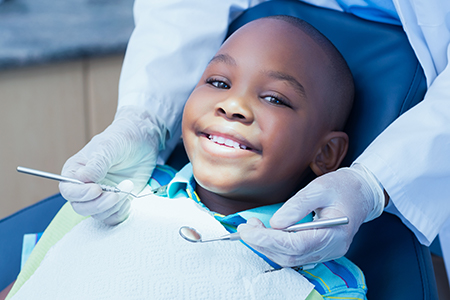
Regular dental checkups allow us to track growth, identify early signs of decay, and catch functional issues before they escalate. For most children, twice-yearly exams align with best-practice recommendations: one visit for a thorough clinical assessment and another to reinforce habits and perform professional cleaning. Consistent monitoring is especially important during periods of rapid change, such as when new permanent teeth erupt.
During each visit, our clinicians review medical history, evaluate the teeth and gums, and observe how the jaws and bite are developing. We explain findings in clear terms and outline any next steps so families understand what to expect. If further imaging or a specialty referral is needed, we coordinate care to minimize disruption and keep treatment goals straightforward.
Technology like digital radiography helps us see what’s happening beneath the surface with minimal exposure and fast results. When we combine those diagnostic tools with careful clinical exams, we can detect small problems early and often avoid more invasive procedures later on.
Tooth decay remains one of the most common health challenges among children, but it is largely preventable. Decay develops when sugary foods and plaque remain on teeth long enough for acids to damage enamel. Our team focuses on education, timely interventions, and targeted preventive steps to reduce that risk — including practical tips for reducing sugary snacks and establishing reliable brushing routines.
We work with families to make oral hygiene achievable: demonstrating how long to brush, which brushes and toothpaste are best, and how parents can supervise or assist effectively. For younger children, we recommend caregiver involvement until a child demonstrates strong manual dexterity and consistent technique. Small, steady improvements at home add up to major reductions in cavity risk.
Start dental care early and keep a regular schedule of checkups.
Clean baby and toddler teeth gently with a soft cloth or an infant brush.
Avoid letting a baby sleep with bottles containing milk or juice; prefer water if needed.
Bring children in for routine exams and professional cleanings as recommended.
Set a consistent brushing and flossing routine and model good habits at home.
Encourage healthy snacking, limit sugary beverages, and favor water for hydration.
Support the transition away from pacifiers and thumb-sucking at age-appropriate times.
Use a properly fitted mouthguard for contact sports to protect teeth and soft tissues.

Baby teeth begin forming long before they appear in the mouth, and most infants will show their first tooth between six and twelve months. Those early enamel arrivals play key roles in eating, speech development, and preserving space for future permanent teeth. That’s why a first dental visit at or near the first birthday is recommended by major pediatric dental organizations.
At early visits, we focus on prevention and parental education: how to clean tiny teeth, when to introduce toothpaste, and how to soothe teething discomfort safely. For many families, small tools — an age-appropriate toothbrush, chilled teething ring, or a cool cloth — bring relief without medication. We welcome questions and provide straightforward guidance to help parents feel prepared.
While baby teeth are temporary, they are far from expendable. Untreated decay in primary teeth can cause pain, infections, and difficulties with nutrition and sleep. By keeping an attentive eye on emerging teeth and following preventive advice, parents reduce the risk of complications and support a smoother transition to permanent teeth.
As children mature, their dental needs change. Permanent molars and premolars erupt, jaw relationships evolve, and oral habits can influence long-term alignment. We monitor facial growth and dental development at each visit so we can recommend timely interventions — whether that means sealants to protect newly erupted molars, a referral for orthodontic evaluation, or guidance on habit correction.
Orthodontic concerns are often identifiable long before full crowding appears. Early assessment allows parents to understand options and timing: some cases benefit from interceptive care, while others are best managed once most permanent teeth are present. We work closely with families and specialists to coordinate care that fits each child’s developmental timeline.
Sports participation, orthodontic appliances, and adolescent dietary habits all influence oral health. We provide tailored advice on protective equipment, cleaning around braces, and choosing snacks that support both energy and dental resilience. For children who experience anxiety or have special needs, we discuss accommodating approaches to make visits manageable and effective.
Monitoring jaw development and bite alignment is a routine part of pediatric care. When concerns arise—such as crossbites, asymmetrical growth, or persistent thumb-sucking—we explain the implications and suggest evidence-based options. Our priority is to choose the least invasive, most effective path that supports normal development and long-term function.
Good nutrition fuels healthy development and strengthens teeth and gums. Encouraging balanced meals, limiting sticky and sugary snacks, and prioritizing water over sweetened drinks are all practical steps parents can take. We provide realistic, family-friendly suggestions that make healthy choices easier to adopt and sustain.
In summary, thoughtful preventive care, age-appropriate education, and consistent monitoring are the cornerstones of pediatric dentistry. Our team at Restoration Dental is committed to partnering with families to protect children’s smiles at every stage of growth. Contact us to learn more about how we can help support your child’s oral health journey.


The American Academy of Pediatric Dentistry and other major organizations recommend a first dental visit by the time a child’s first tooth appears or by their first birthday. Early visits allow clinicians to assess oral development, identify risk factors for decay, and begin coaching caregivers on daily care and feeding habits that support healthy teeth. Starting early also helps children become familiar with the dental setting, reducing anxiety and making future visits smoother.
At the initial appointment clinicians focus on gentle examination and parent education rather than treatment. Parents receive practical guidance about cleaning tiny teeth, appropriate toothpaste amounts, and how to handle feeding and pacifier use to protect enamel. These early checkups set expectations and create a partnership between families and the dental team that supports long-term oral health.
Routine pediatric exams include a thorough visual inspection of the teeth, gums, and oral tissues, assessment of jaw and bite development, and a review of medical and dental history. Clinicians often provide a professional cleaning appropriate for the child’s age and demonstrate brushing and flossing techniques parents can use at home. When needed, a fluoride varnish may be applied to strengthen enamel and reduce cavity risk.
The visit also includes discussion of diet, pacifier or thumb-sucking habits, and any behavioral concerns affecting oral care. If additional diagnostic information is needed, digital radiography or other imaging may be recommended with attention to minimizing exposure. The dental team explains findings and next steps in clear, age-appropriate language so families understand how to support their child’s oral health between visits.
Topical fluoride varnish helps remineralize enamel and makes teeth more resistant to acid produced by bacteria, reducing the likelihood of cavities when applied periodically by a clinician. It is a safe, evidence-based preventive measure used for children at varying levels of cavity risk and is quick to apply during routine visits. Your dentist will discuss the appropriate frequency based on your child’s teeth and risk profile.
Dental sealants are a thin protective coating placed on the chewing surfaces of molars and premolars to block food and bacteria from collecting in grooves and fissures. Sealants are especially effective on newly erupted permanent molars and can dramatically lower the chance of decay in those vulnerable teeth. Placement is painless, minimally invasive, and part of an overall prevention plan that includes good home care and regular checkups.
Establishing twice-daily brushing with fluoride toothpaste and beginning flossing as teeth contact are fundamental habits that reduce plaque and decay. For young children use a smear or pea-sized amount of fluoride toothpaste as recommended and supervise or assist brushing until manual dexterity and technique are reliable. Limiting sugary snacks and beverages, offering water between meals, and avoiding prolonged bottle or sippy-cup use with juice or milk are important dietary strategies.
Consistent dental visits allow the care team to monitor progress and reinforce effective routines, while targeted interventions such as varnish or sealants provide added protection when needed. Modeling positive oral-care behaviors and making brushing a predictable part of daily routine helps children adopt lifelong habits. If you have specific concerns about your child’s risk, the dental team can create a personalized prevention plan.
Teething commonly begins between six and twelve months and may cause irritability, increased drooling, and a desire to chew on objects. Safe, nonmedicinal measures such as gentle gum massage with a clean finger, chilled (not frozen) teething rings, or a cool washcloth can provide relief. Over-the-counter systemic medications or topical numbing agents should be used cautiously and only under guidance from a pediatrician or dentist.
Maintaining regular oral care during teething, such as wiping gums after feedings and starting an age-appropriate toothbrush as teeth erupt, supports comfort and hygiene. If symptoms include high fever, persistent refusal to eat, or signs of infection around an emerging tooth, contact your dental or medical provider for evaluation. The dental office can offer reassurance and specific strategies tailored to your child’s needs.
Sucking is a normal soothing behavior for infants and young children, but prolonged thumb-sucking or pacifier use can affect dental development if it persists as permanent teeth erupt. Many clinicians encourage parents to begin weaning their child from these habits by around age 2 to 4, with closer attention after age 3 when the risk for bite problems increases. The goal is to discontinue habits before they cause lasting changes to tooth alignment or jaw growth.
Behavioral strategies, positive reinforcement, and gentle reminders often succeed in reducing or eliminating these habits for most children. If a habit continues and there are early signs of dental changes, the dental team can recommend evidence-based interventions or coordinate care with pediatric specialists. Early communication with your dentist helps identify the right timing and approach for habit correction.
Orthodontic issues are sometimes identifiable in early childhood, and many professional organizations recommend an orthodontic screening by age 7 when a mix of primary and permanent teeth helps reveal developmental concerns. Early evaluation lets clinicians detect problems such as crossbites, severe crowding, or jaw-growth asymmetries that may benefit from interceptive treatment. Interceptive care can simplify later treatment in selected cases, but not every child requires early orthodontic intervention.
The pediatric dental team monitors facial growth and dental alignment during routine visits and will explain whether a referral to an orthodontist is advisable. When a referral is made, the dental and orthodontic teams coordinate care to determine timing and the least invasive, most effective treatment plan. Open communication with families ensures expectations are clear and decisions align with each child’s developmental needs.
Nutrition strongly influences dental development and cavity risk, with frequent exposure to sugars and sticky foods increasing the likelihood of tooth decay. Encouraging balanced meals, whole foods, and water between meals supports both overall growth and oral resilience. Limiting sugary snacks and beverages and offering tooth-friendly alternatives reduces the time teeth are exposed to cavity-causing acids.
Milk and 100 percent fruit juice can be part of a healthy diet when offered in appropriate portions and not sipped continuously throughout the day. Promoting regular meal and snack times helps reduce constant acid attacks on enamel and makes oral care routines easier to maintain. The dental team can provide practical, age-appropriate recommendations that fit your family’s lifestyle.
Dental teams trained in pediatric care use behavior guidance techniques, clear explanations, demonstrations, and gradual exposure to help children feel safe and understand what to expect. Creating a calm environment, allowing caregivers to stay with the child, and using child-friendly language and props can reduce fear and build cooperation. For children with sensory sensitivities or developmental differences, individualized accommodations and communication strategies are planned in advance to improve the experience.
When additional support is needed to complete necessary treatment, clinicians discuss appropriate options and safety measures with families, drawing on training and experience to select the least invasive approach. Restoration Dental staff emphasize comfort and respect, coordinating care and accommodations so that each child’s visit is as positive and productive as possible. Families are encouraged to share details about their child’s needs so the team can prepare effectively.
Dental imaging is used selectively in pediatric care to detect decay between teeth, evaluate tooth development, and assess trauma or other concerns that are not visible during a clinical exam. Modern digital radiography significantly reduces radiation exposure compared with older techniques, and protective measures such as thyroid collars are used when appropriate. The decision to take X-rays is individualized and based on the child’s age, risk for disease, clinical findings, and developmental stage.
Clinicians follow evidence-based guidelines to balance diagnostic benefit with minimal exposure, taking images only when they will influence care. Parents are informed about why an image is recommended and how it will be used to guide treatment or monitoring. When imaging is not necessary, clinicians rely on careful clinical assessment and preventive strategies to manage oral health.

Ready to schedule your next appointment or learn more about our services?
Getting in touch with Restoration Dental is simple! Our welcoming staff is here to help you schedule appointments, answer questions about treatments, and address any concerns you may have. Whether you’d like to call or use our easy online contact form, we’re always ready to assist. Don’t wait to take the first step toward a healthier, more confident smile – contact us today and experience the difference of personalized dental care.