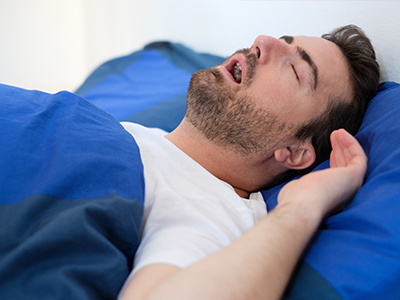
Sleep shapes more than just how you feel the next day — it affects mood, memory, metabolism, and long-term health. When breathing is disrupted repeatedly through the night, those restorative processes are interrupted, leaving patients tired, unfocused, and at greater risk for serious health problems. At Restoration Dental, we help people understand how sleep-disordered breathing works and what dental care can contribute to a safer, more restful night.
Obstructive sleep apnea (OSA) is a sleep-related breathing disorder in which soft tissues in the throat intermittently collapse or obstruct the airway during sleep. These pauses — called apneas — can last several seconds and may occur dozens or even hundreds of times per night. Each episode reduces oxygen delivery and fragments sleep architecture, preventing the deep, restorative stages of sleep.
Physiologically, the problem often involves a combination of relaxed airway muscles, anatomical features like a narrow jaw or enlarged tonsils, and body position during sleep. Although OSA is most commonly discussed, other forms of sleep-disordered breathing exist; a careful evaluation helps determine which pattern is present and how severe it is.
Because the brain responds to reduced oxygen and increased carbon dioxide by briefly arousing the sleeper, many patients are unaware of how often they stop breathing. Instead, they experience the downstream effects: daytime sleepiness, reduced concentration, and a general decline in quality of life.
Loud, frequent snoring is often the first symptom that draws attention, but it’s not the only clue. Observed pauses in breathing, choking or gasping episodes during sleep, and abrupt awakenings are more specific indicators of sleep-disordered breathing. Partners or household members are frequently the ones to notice these events.
Daytime symptoms are just as important. Excessive sleepiness, trouble staying alert while driving or during meetings, morning headaches, and difficulty with memory or attention can all point toward an underlying sleep breathing disorder. Mood changes such as increased irritability or depression may also be linked to chronically poor sleep quality.
Some medical conditions are commonly associated with OSA, including high blood pressure, type 2 diabetes, and certain cardiovascular problems. While not everyone with these conditions has sleep apnea, the overlap is significant enough that clinicians often recommend screening when these health issues are present.
Evaluation typically begins with a focused history and physical exam, where a clinician asks about sleep habits, daytime symptoms, and any observed breathing interruptions. Screening questionnaires can help stratify risk, but they don’t replace objective testing when the suspicion of OSA is moderate to high.
Diagnosis commonly involves a sleep study, which measures breathing patterns, oxygen levels, heart rate, and sleep stages. This testing can occur in a sleep laboratory (polysomnography) or at home with portable monitoring devices, depending on the clinical context and physician recommendation. The results quantify the frequency and severity of apneas and hypopneas, guiding treatment decisions.
Collaboration between dental professionals and sleep physicians is essential. Dentists who provide oral appliance therapy work with medical providers to ensure that treatment aligns with the patient’s overall health needs and the objective findings from testing.
Continuous positive airway pressure (CPAP) remains a cornerstone of OSA management, particularly for moderate to severe cases. It delivers pressurized air through a mask to keep the airway open throughout sleep. Many patients experience dramatic improvements in daytime alertness and cardiovascular measures when they use CPAP consistently and correctly.
Beyond CPAP, clinicians may recommend lifestyle measures such as weight management, positional therapy (avoiding back sleeping), and treating nasal congestion to reduce symptoms. For some patients with specific anatomic contributors, surgical options can be considered after a thorough evaluation by a qualified specialist.
Treatment is individualized: the best approach depends on severity, patient preference, underlying medical conditions, and the likelihood of adherence. Regular follow-up is important to monitor symptom improvement and any changes in health status that might affect therapy.
For many people with mild to moderate OSA or those who cannot tolerate CPAP, custom oral appliances offer a practical and effective alternative. These devices are worn in the mouth at night and work by repositioning the lower jaw or stabilizing the tongue and soft tissues to maintain an open airway.
Oral appliances come in various designs, but all are tailored to the patient’s dental anatomy. A precise dental impression and bite registration are used to fabricate a device that fits comfortably and functions effectively. The goal is to reduce the number and duration of breathing interruptions and to decrease loud snoring.
Like any medical device, oral appliances require adjustment and monitoring. Initial titration helps find the optimal jaw position for airway patency while preserving comfort and long-term dental health. Follow-up visits assess symptom relief, address side effects such as jaw soreness or tooth movement, and ensure ongoing effectiveness.
Dental sleep medicine combines clinical assessment, appliance design, and ongoing care. In a typical dental pathway, patients undergo an initial evaluation to review symptoms, oral anatomy, and relevant medical history. When indicated, impressions and records are taken to guide device fabrication and customization.
Successful treatment depends on close coordination with medical providers. Dentists routinely communicate with sleep physicians to interpret sleep study results and to confirm that oral appliance therapy is an appropriate option. Periodic follow-up includes objective and subjective checks — assessing symptom improvement, device fit, and any dental changes over time.
Our team emphasizes patient education and incremental adjustments to maximize comfort and clinical benefit. Whether you’re exploring options after a sleep study or seeking an alternative to other therapies, dental sleep care is focused on long-term results and preserving oral health while improving sleep quality.
If you think you or a loved one may be experiencing symptoms of sleep-disordered breathing, contact us to discuss next steps. Our office can help explain diagnostic options and how dental therapies might fit into a comprehensive treatment plan. Reach out for more information and to learn how we can support your journey to better sleep.


Obstructive sleep apnea (OSA) is a sleep-related breathing disorder in which soft tissues in the throat partially or completely block the airway during sleep, causing repeated pauses in breathing. These interruptions fragment sleep architecture and reduce oxygen delivery, which interferes with the restorative stages of sleep. Over time, untreated OSA can contribute to daytime sleepiness, impaired concentration, and diminished quality of life.
Beyond daytime symptoms, OSA is associated with a higher risk of cardiometabolic problems such as high blood pressure, atrial fibrillation, stroke, and insulin resistance. The severity and frequency of breathing interruptions help determine risk and guide treatment decisions. Early recognition and appropriate management can reduce symptoms and help mitigate related health consequences.
Diagnosis begins with a focused clinical evaluation that includes a sleep history, symptom review, and assessment of risk factors such as loud snoring, observed pauses in breathing, and daytime sleepiness. Screening questionnaires can help identify patients who need objective testing, but they do not replace definitive measurement. When indicated, clinicians order a sleep study to measure breathing patterns, oxygen levels, heart rate, and sleep stages.
Sleep testing can be performed in a sleep laboratory with full polysomnography or at home using validated portable monitoring equipment, depending on clinical context and physician guidance. Results quantify the frequency of apneas and hypopneas and classify severity, which informs treatment planning. Dental and medical providers collaborate to interpret results and determine whether oral appliance therapy or other interventions are appropriate.
Oral appliance therapy is commonly recommended for patients with mild to moderate OSA and for those who cannot tolerate continuous positive airway pressure (CPAP). Candidates should have adequate dentition and a stable bite, because the devices rely on teeth for retention and precise jaw positioning. A thorough dental exam is required to identify periodontal disease, loose teeth, or other issues that could affect device fit and function.
Oral appliances may also be considered for patients with primary snoring without significant apnea or as part of a combined approach with positional therapy or nasal treatment. Treatment suitability depends on the severity of sleep-disordered breathing, comorbid medical conditions, and objective findings from a sleep study. Final determination typically involves coordination with a sleep physician and follow-up testing to confirm effectiveness.
Custom oral appliances are fitted to the patient’s dental anatomy and typically work by advancing the lower jaw (mandible) or stabilizing the tongue and soft tissues to keep the airway open during sleep. By repositioning these structures, the device increases the airway space and reduces the frequency and duration of breathing interruptions. Devices vary in design, and the choice is individualized based on anatomy, comfort, and clinical goals.
Fabrication begins with precise impressions and bite records so the laboratory can build a device that balances therapeutic advancement with long-term dental health. After delivery, a process of titration and adjustment helps identify the most effective and comfortable jaw position. Regular monitoring ensures the device continues to control symptoms while minimizing dental side effects.
A dental sleep medicine evaluation typically starts with a detailed discussion of sleep symptoms, medical history, and prior sleep testing, followed by an oral and airway examination. The clinician will assess jaw movement, bite alignment, dental stability, and signs of bruxism or temporomandibular joint dysfunction. When appropriate, impressions, digital scans, and a bite registration are taken to guide custom appliance fabrication.
Evaluation also includes coordination with the patient’s sleep physician to review objective test results and confirm that oral appliance therapy is an appropriate treatment option. The dentist will explain the device options, potential benefits, and expected follow-up schedule, including objective reassessment after therapy begins. Periodic adjustments and dental monitoring are planned to optimize outcomes and preserve oral health.
Restoration Dental emphasizes interdisciplinary communication to ensure oral appliance therapy aligns with medical findings and overall health needs. Our dental team reviews sleep study reports with the referring sleep physician, discusses goals of therapy, and documents changes in symptoms and objective metrics. Clear, timely communication helps determine whether appliance therapy is sufficient or whether additional medical treatments are required.
Follow-up typically includes collaborative decision-making about objective reassessment, such as repeat sleep testing or home respiratory monitoring after appliance titration. If therapy is not meeting targets, the dental and medical teams work together to modify the plan or explore alternative treatments. This coordinated approach supports safer, more effective long-term management of sleep-disordered breathing.
Common short-term side effects include jaw soreness, temporary tooth discomfort, and dry mouth; these issues often improve with gradual titration and acclimation. In some patients, prolonged use can lead to measurable tooth movement, changes in bite, or increased load on the temporomandibular joint. Regular dental monitoring and prompt adjustment can reduce these risks and preserve long-term oral function.
Management strategies include modifying the device to reduce excessive pressure, adjusting the degree of mandibular advancement, and treating coexisting dental conditions before starting therapy. Patients should report new or worsening jaw pain, persistent tooth sensitivity, or bite changes so the appliance can be re-evaluated. Ongoing follow-up visits and periodic objective testing help ensure the therapy remains both effective and safe.
Treatment of sleep apnea that reduces apnea frequency and restores oxygenation can have favorable effects on cardiovascular health, including modest improvements in blood pressure and daytime symptoms. Evidence shows that effective therapy, whether CPAP or a well-fitted oral appliance, can lower some risk markers tied to sleep-disordered breathing. The magnitude of cardiovascular benefit depends on factors such as baseline risk, adherence to therapy, and severity of OSA.
Because cardiovascular risk is multifactorial, dental therapy is part of a broader medical strategy rather than a standalone cure for heart disease. Close collaboration with a patient’s physician is essential to monitor clinical outcomes, adjust medical management, and confirm that appliance therapy is delivering meaningful physiologic benefit. Objective follow-up testing and routine medical surveillance help ensure comprehensive risk reduction.
While snoring is a noisy vibration of relaxed throat tissues and is common on its own, sleep apnea involves partial or complete airway obstruction that causes repeated pauses in breathing and sleep fragmentation. Snoring can be a marker for sleep-disordered breathing, but it does not quantify the severity or physiologic impact the way an apnea-hypopnea index does. Observed pauses in breathing, choking or gasping episodes, and significant daytime sleepiness are more specific signs that warrant formal evaluation.
You should seek professional evaluation when snoring is loud and frequent, when bed partners report breathing pauses, or when daytime function is impaired despite adequate time in bed. Medical and dental providers can screen, order appropriate sleep testing, and recommend therapies tailored to the diagnosis. Early assessment helps identify risks and opens a path to effective, individualized treatment.
Lifestyle measures can complement device-based treatments and sometimes reduce the severity of sleep-disordered breathing. Weight management, avoidance of alcohol and sedative medications near bedtime, and positional strategies to discourage back sleeping can all decrease the frequency of apnea events for some patients. Treating nasal congestion and quitting smoking also support better airway patency and sleep quality.
Adjunct therapies such as positional therapy, targeted nasal care, and myofunctional exercises may be helpful for selected patients when combined with oral appliances or CPAP. Regular reassessment with both dental and medical providers ensures that lifestyle changes are producing measurable benefits and that adjuncts are used safely alongside primary therapies. If you would like to explore dental sleep options, the team at Restoration Dental can coordinate care and discuss next steps with your sleep physician.

Ready to schedule your next appointment or learn more about our services?
Getting in touch with Restoration Dental is simple! Our welcoming staff is here to help you schedule appointments, answer questions about treatments, and address any concerns you may have. Whether you’d like to call or use our easy online contact form, we’re always ready to assist. Don’t wait to take the first step toward a healthier, more confident smile – contact us today and experience the difference of personalized dental care.