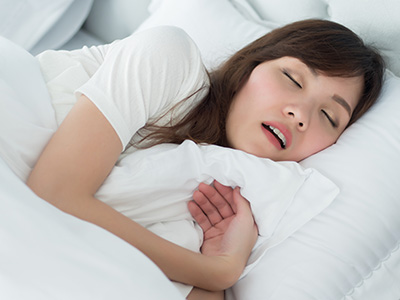
Snoring is more than a bedroom nuisance — it’s a common sleep-related problem that can disrupt rest for both the person who snores and anyone nearby. It happens when airflow during sleep causes soft tissues in the airway to vibrate, producing the familiar sounds of snoring. While occasional snoring is normal for many people, frequent loud snoring may point to a pattern that deserves professional attention.
Many adults will snore at some point, and the intensity and frequency can vary with age, weight, alcohol use, and sleep position. In the clinical setting, the first step is to understand whether snoring stands alone or is part of a larger breathing disorder during sleep. A careful evaluation helps ensure patients receive the right approach — whether simple behavioral changes or a custom oral appliance worn during sleep.
Snoring usually arises from a partial obstruction of the upper airway. When the muscles of the throat and tongue relax during sleep, the soft tissues can collapse inward and vibrate as air moves in and out. Structural factors such as enlarged tonsils, a long soft palate, a bulky tongue, or nasal congestion increase the likelihood that airflow will become turbulent and noisy.
Behavioral and environmental contributors are also common. Alcohol or sedative medications relax airway muscles and can intensify snoring. Sleeping on the back often allows the tongue and soft tissues to fall toward the throat. Interrupted sleep patterns and sleep deprivation can further reduce muscle tone and worsen symptoms over time.
Other health considerations — for example, nasal obstruction from allergies or a deviated septum, significant weight gain, and certain craniofacial structures — can make snoring more persistent. Identifying the combination of anatomical and lifestyle factors is key to crafting a targeted plan that addresses the root causes rather than just the symptoms.
Not all snoring requires medical intervention, but there are clear signs that a clinical assessment is warranted. If snoring is loud, frequent, or accompanied by gasping, choking, excessive daytime sleepiness, or witnessed pauses in breathing, those symptoms suggest a higher risk of sleep-disordered breathing. In those cases, coordination with a sleep medicine specialist may be recommended to rule out obstructive sleep apnea (OSA).
For patients whose snoring occurs without the other hallmark features of OSA, we often use the term “primary snorer.” Even so, persistent loud snoring can affect bed partners, reduce sleep quality, and impair daytime functioning. A dental sleep evaluation helps determine whether a simple, non-invasive oral appliance may be a safe and effective option.
Evaluations typically involve a medical history, review of sleep patterns, and a physical examination focused on the mouth, jaw, and airway. If there is concern for sleep apnea, a sleep study or referral to a sleep physician will be part of the pathway. When sleep apnea has been excluded, dental treatment options can be considered with confidence.
Oral appliances for snoring are small, custom-made devices worn in the mouth during sleep. They work by gently repositioning the lower jaw and, in some designs, stabilizing the tongue to keep the airway open. When the airway is more stable and less prone to vibration, airflow becomes smoother and snoring is reduced or eliminated for many patients.
Two common types of devices are mandibular advancement devices (MADs), which shift the lower jaw slightly forward, and tongue-retaining appliances that hold the tongue in a forward position. Both approaches aim to enlarge the space behind the tongue and soft palate so that air can pass without causing tissue vibration. A properly fitted appliance is comfortable, removable, and designed for nightly use.
Unlike invasive procedures, oral appliances provide a non-surgical, reversible option. Because these devices are custom-made from impressions or digital scans of the teeth, they fit securely and tend to be better tolerated than over-the-counter mouthpieces. A dental sleep professional evaluates bite alignment, jaw mobility, and dental health to select and optimize the right design for each patient.
Getting the right oral appliance begins with a comprehensive dental assessment. The process generally includes an examination, impressions or digital scans, and precise adjustments to achieve comfortable jaw positioning. Once fabricated, the appliance is tested and fine-tuned so that it balances airway improvement with comfortable wearability throughout the night.
Follow-up care is an essential element of success. Periodic visits allow the provider to monitor sleep symptom changes, assess dental and jaw health, and make incremental adjustments to tension or positioning. Some patients require a few visits in the first months to find the optimal setting; others adapt quickly and need only annual reviews to ensure the device remains effective and the teeth and bite stay healthy.
Patients should understand both the benefits and limitations. Many people experience significant snoring reduction and better sleep quality, but no device is a guarantee for everyone. Potential side effects can include temporary jaw discomfort, increased salivation, or changes in bite that are usually manageable with careful adjustment. If symptoms worsen or new concerns arise, reassessment helps determine whether alternative treatments are appropriate.
Oral appliances are particularly well-suited to adults with primary snoring or mild-to-moderate obstructive sleep apnea who cannot tolerate or prefer not to use continuous positive airway pressure (CPAP). They are also a good option for patients who travel frequently, need a portable remedy, or seek a less intrusive approach to improving nighttime breathing.
To get the most from appliance therapy, patients should maintain good sleep hygiene, manage contributing factors such as alcohol use at night, and follow any guidance regarding sleep position. Regular dental checkups are important to monitor the device and oral health. Patients with significant tooth mobility, active periodontal disease, or an unstable bite may need special consideration before moving forward.
When selected and monitored appropriately, an oral appliance can restore quieter nights and improve daytime alertness for many people. Our dental team works closely with patients and their physicians when necessary to ensure a safe, coordinated approach to sleep-related breathing issues.
At Restoration Dental, we prioritize a thoughtful, patient-centered approach to snoring care. If you’d like to learn whether a custom oral appliance could help you or a loved one sleep more peacefully, contact us for more information.


Snoring happens when airflow during sleep causes relaxed soft tissues in the upper airway to vibrate and produce sound. Structural factors such as enlarged tonsils, a long soft palate, nasal congestion, or certain jaw and tongue positions raise the likelihood of airway narrowing. Lifestyle contributors like alcohol, sedatives, sleeping on the back, and inadequate sleep can reduce muscle tone and make snoring more frequent or louder.
Many adults snore intermittently, and prevalence increases with age and weight gain, but persistent loud snoring should prompt evaluation. Differentiating simple snoring from signs of sleep-disordered breathing is important because the latter may require coordinated medical care. A targeted assessment identifies anatomical and behavioral contributors so treatment can address underlying causes rather than just the noise.
Oral snoring appliances are small, custom-made devices worn during sleep that reposition the lower jaw or stabilize the tongue to enlarge the airway. By moving the jaw slightly forward or holding the tongue ahead, these devices reduce the tendency of soft tissues to collapse and vibrate as air passes. The result is smoother airflow, which for many patients reduces or eliminates the sounds of snoring.
Common designs include mandibular advancement devices that advance the lower jaw and tongue-retaining appliances that secure the tongue. Appliances are fabricated from impressions or digital scans to fit the patient’s dental anatomy and are adjustable to balance airway improvement with comfort. Because they are noninvasive and reversible, oral appliances are often considered when surgical options or CPAP are not suitable.
Ideal candidates are adults with primary snoring or mild-to-moderate obstructive sleep apnea who either cannot tolerate or prefer not to use continuous positive airway pressure (CPAP). Patients should have a stable dentition, adequate numbers of healthy teeth to retain the device, and no uncontrolled periodontal disease or severe temporomandibular joint pathology. A dental sleep evaluation helps determine whether oral appliance therapy is appropriate by reviewing medical history, sleep symptoms, and oral anatomy.
People who travel frequently or need a portable, low-profile solution may especially appreciate an appliance. Patients with significant tooth mobility, extensive restorative work, or unstable bites may require alternative approaches or additional dental care before proceeding. Collaboration with a sleep medicine specialist is recommended when there is concern for moderate or severe sleep apnea.
The fitting process begins with a comprehensive dental assessment that reviews bite alignment, jaw mobility, dental health and airway anatomy. The provider takes impressions or digital scans and records the optimal jaw position to reduce airway collapse while maintaining comfort and function. The laboratory or in-office fabrication produces a device tailored to those measurements, and the initial delivery includes instruction for insertion, removal and nightly use.
Fine-tuning occurs through scheduled follow-up visits during the first few months, when small adjustments improve efficacy and relieve any jaw discomfort. Adjustment protocols vary by device but commonly involve incremental advancement of the lower jaw until symptoms improve or side effects emerge. Long-term maintenance visits allow the clinician to monitor dental changes, device wear and treatment outcome and to recalibrate settings as needed.
Mild side effects can include transient jaw soreness, tooth or gum discomfort, increased salivation and occasional dry mouth during the adaptation phase. Most symptoms subside as patients acclimate or after minor adjustments to the appliance, such as reducing advancement slightly or modifying fit. In some cases, physical therapy exercises for the jaw or a temporary reduction in nightly wear time can ease discomfort while maintaining benefit.
Longer-term issues are uncommon but may include gradual changes in bite or tooth position if an appliance is worn nightly without monitoring. Regular dental follow-up helps detect early shifts and permits corrective adjustments to the device or the treatment plan. If significant or persistent problems arise, the care team will discuss alternative strategies with the patient and their sleep physician when appropriate.
CPAP remains the most consistently effective treatment for moderate-to-severe obstructive sleep apnea because it actively splints the airway with pressurized air, but adherence can be a limiting factor for many patients. Oral appliances offer a noninvasive, quieter and more portable alternative that commonly improves snoring and can be effective for mild-to-moderate sleep apnea in selected patients. Surgical options target specific structural problems and are less reversible, so they are considered when conservative therapies fail or when anatomy clearly indicates benefit.
Choosing between therapies depends on severity of disease, patient preference, anatomy and tolerance for each option. A coordinated approach that includes sleep testing and collaboration between dental and sleep medicine providers ensures the chosen therapy matches clinical needs. For many patients who cannot tolerate CPAP, a custom oral appliance provides a practical and well-tolerated alternative with measurable improvements in symptoms.
Some patients notice a reduction in snoring within the first few nights of consistent appliance use, while others require several weeks for optimal benefit as adjustments are made and the body adapts. Initial improvement often occurs quickly when the device successfully repositions the jaw or tongue, but full symptomatic benefit is usually evaluated after a trial period of weeks to months. Objective sleep testing or partner reports can help document changes when needed.
Early follow-up visits in the first one to three months are common to refine fit and advancement and to address any side effects that could limit use. For persistent symptoms, further adjustments or alternative therapies may be explored in collaboration with a sleep specialist. Long-term success depends on ongoing monitoring, good sleep habits and adherence to nightly wear.
Follow-up begins soon after delivery to verify comfort and symptom change and typically continues with periodic reviews to assess dental health and device function. These visits allow the clinician to make incremental adjustments, check for wear and ensure the bite remains stable, which reduces the risk of dental side effects. Annual or semiannual reassessments are common, and patients should report any new jaw pain, dental mobility or return of symptoms promptly.
When sleep apnea was a concern initially, coordination with a sleep medicine provider may include repeat testing to confirm treatment effect. Maintaining oral hygiene for the appliance and adhering to recommended wear schedules support long-term outcomes. If the appliance becomes less effective over time, the care team will evaluate fit, device condition and potential changes in weight, medications or health that could influence airway dynamics.
Daily cleaning with a soft toothbrush and nonabrasive, fragrance-free soap or a manufacturer-recommended cleaner helps prevent bacterial buildup and prolongs device life. Rinse the appliance after each use, allow it to air dry, and store it in a protective case away from heat and pets to avoid warping. Regular inspections for cracks, distortion or significant wear allow timely replacement before effectiveness is compromised.
Keep up with routine dental exams so the provider can monitor for tooth movement, restorative wear and gum health while you use the appliance. If you notice new dental symptoms or the appliance feels loose or damaged, bring it to your next visit rather than continuing use unchecked. Proper care and timely professional oversight maximize comfort, safety and long-term benefit from therapy.
A clinical evaluation that reviews your sleep history, daytime symptoms, medical conditions and a focused oral and airway exam is the starting point to determine appropriateness for an oral appliance. If symptoms such as loud, frequent snoring are present without signs of severe sleep apnea, a dental sleep evaluation may lead to appliance therapy; when there are concerns about pauses in breathing, choking, or marked daytime sleepiness, referral for formal sleep testing is advised. The assessment is designed to identify anatomical and behavioral contributors and to coordinate care with a sleep physician when necessary.
At Restoration Dental, our team provides thorough dental sleep evaluations and works with patients and physicians to develop a safe, evidence-based plan when an oral appliance is a suitable option. If you are interested in exploring this therapy, request an evaluation so clinicians can review your history, perform the exam and outline next steps tailored to your needs.

Ready to schedule your next appointment or learn more about our services?
Getting in touch with Restoration Dental is simple! Our welcoming staff is here to help you schedule appointments, answer questions about treatments, and address any concerns you may have. Whether you’d like to call or use our easy online contact form, we’re always ready to assist. Don’t wait to take the first step toward a healthier, more confident smile – contact us today and experience the difference of personalized dental care.