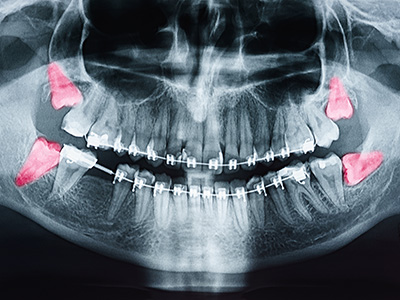
Wisdom teeth — commonly called third molars — are the final set of permanent teeth to develop. They usually emerge between the late teens and mid-twenties, although timing varies from person to person. For some patients these teeth erupt into healthy positions and function normally; for many others, limited space or unusual angles make them problematic.
Because wisdom teeth appear so late, the jaw and surrounding structures are often fully developed by the time they try to come in. That can mean partial eruption, misalignment, or complete impaction beneath gum tissue and bone. Understanding how these teeth behave in your mouth helps determine whether monitoring, conservative care, or removal is the best path forward.
Not every wisdom tooth requires extraction. Our approach is individualized: we consider your symptoms, oral health, and future risk when recommending treatment. Clear communication and careful evaluation help ensure any decision is based on what is safest and most predictable for long-term oral health.
Impacted or poorly positioned wisdom teeth can produce a range of issues. Pain and swelling around the back of the mouth are common early signals, often accompanied by recurrent infections of the surrounding gum tissue (pericoronitis). These infections can cause persistent discomfort, bad taste, and difficulty fully opening the jaw.
Adjacent tooth damage is another concern. A misdirected third molar can press against the second molar and create areas that are hard to clean, increasing the risk of decay or gum disease in neighboring teeth. In some cases, a sac of fluid (a cyst) can form around an unerupted tooth; while uncommon, cysts can lead to bone loss or displacement of nearby teeth if left untreated.
Other signs that merit evaluation include chronic bad breath, unexplained localized swelling, or changes in bite and tooth alignment. Our goal is to identify problems early and to explain the likely outcomes of monitoring versus intervention so patients can make informed choices.
Age is a factor in decision-making. Younger patients typically heal more quickly and predictably after removal, so early intervention is often recommended when a wisdom tooth is clearly likely to cause harm. For older adults or those with complex medical histories, the risks and benefits are reviewed carefully to find the safest approach.
A thoughtful evaluation begins with a clinical exam and a review of medical and dental history. During the visit, the clinician will check the position of the teeth, look for signs of infection or tissue inflammation, and assess how the wisdom teeth relate to neighboring structures. Patient symptoms and functional concerns are discussed openly so the treatment plan reflects individual needs.
Imaging plays an essential role in diagnosis. Panoramic radiographs provide a broad overview, while three-dimensional imaging (CBCT) can be used when a detailed view of tooth anatomy and nearby nerves is needed. These images help the team map tooth roots, determine the degree of impaction, and plan a surgical approach that minimizes risk.
When advanced imaging is indicated, we explain why it’s useful and how the results will influence recommendations. Knowing the exact location of roots relative to the inferior alveolar nerve and sinus cavities, for example, allows us to tailor treatment and set realistic expectations about recovery and potential complications.
Wisdom tooth removal ranges from straightforward extractions to minor oral surgery, depending on how a tooth is positioned. Our practice offers several anesthesia and sedation options to create a calm, pain-free experience. Local anesthesia reliably numbs the area; when deeper relaxation is preferred, oral sedation or IV sedation can be provided by providers experienced in managing comfort and safety.
During the procedure, careful technique is used to preserve surrounding bone and adjacent teeth. If a tooth is fully or partially impacted, the clinician may create a small access flap, remove a bit of bone, and, when necessary, section the tooth into pieces for easier removal. Precision and gentleness reduce trauma and support faster healing.
Safety is a core priority throughout treatment. Sterile technique, monitoring during sedation, and thorough preoperative planning help reduce the chance of complications. Before any procedure, we review possible risks and recovery expectations so patients know what to expect and feel confident in the plan.
Our team at Restoration Dental emphasizes a patient-centered approach to comfort and communication. We encourage questions before, during, and after treatment so each person feels informed and supported at every step.
Most patients experience predictable, manageable recovery following wisdom tooth removal. During the first 24–72 hours some swelling and discomfort is normal; soft foods, rest, and avoiding strenuous activity help the tissues recover. Simple measures such as using cold packs early on and following specific oral hygiene adaptations reduce swelling and lower the risk of complications.
Pain management is tailored to each patient’s needs. If an infection or extensive impaction was present, a short course of antibiotics may be recommended. Clear postoperative instructions are provided, covering wound care, diet progression, and signs that should prompt a follow-up call. Having written guidance and a scheduled check ensures recovery stays on track.
One uncommon but important concern after extraction is dry socket, a painful condition that arises when the blood clot protecting the extraction site is dislodged. We explain how to avoid behaviors that increase this risk and provide prompt care if symptoms develop. Early follow-up allows us to diagnose and treat issues quickly so healing continues smoothly.
Long term, removing problematic wisdom teeth often prevents recurring infections, protects adjacent teeth, and makes oral hygiene easier. For patients whose third molars can be safely retained, we establish a monitoring plan to watch for changes over time and intervene if new risks emerge.
Wisdom teeth are a common source of concern, but with careful assessment and modern techniques most patients achieve predictable, well-managed outcomes. From initial examination and imaging to sedation options, extraction technique, and thoughtful aftercare, the focus is always on safety, comfort, and preserving long-term oral health.
If you have concerns about your wisdom teeth or are experiencing symptoms, please contact us to learn more. Our team is available to answer questions, review your situation, and outline sensible options tailored to your needs.


Wisdom teeth, also called third molars, are the last permanent teeth to develop and typically emerge between the late teens and mid-20s. Their late arrival means the jaw is often fully developed, which can limit space and lead to partial eruption, misalignment, or complete impaction. How these teeth sit in the mouth affects oral hygiene, the health of adjacent teeth, and the risk of recurrent infections or cyst formation.
Understanding the position and potential behavior of wisdom teeth helps guide whether monitoring or removal is the safest course. Many patients never experience problems, while others develop symptoms that require timely intervention to preserve long-term oral health. A careful, individualized evaluation balances current findings with future risk to recommend the most predictable plan of care.
Impacted wisdom teeth are those that cannot fully erupt into a functional position because of limited space or unusual angulation. Common clinical signs include pain or tenderness at the back of the mouth, swelling of the gum tissue around the tooth, recurrent gum infections (pericoronitis), and difficulty opening the jaw fully. In some cases, adjacent tooth sensitivity or unexplained localized swelling prompts further evaluation.
Because impaction can be present without obvious symptoms, imaging is often used to confirm diagnosis and determine severity. Panoramic radiographs provide a broad overview, while three-dimensional CBCT imaging clarifies root orientation and relationships to nearby nerves and sinuses. These findings, combined with a clinical exam, allow clinicians to determine whether the tooth is likely to cause problems now or in the future.
Removal is recommended when a wisdom tooth causes pain, recurrent infection, damage to adjacent teeth, cyst formation, or contributes to disease that jeopardizes oral health. Younger patients often heal more predictably, so extraction may be advised earlier when a tooth shows clear signs of future harm. Conversely, a tooth that is fully erupted, functional, and easy to clean may be safely monitored over time with periodic exams and imaging.
Decisions about removal always consider the individual’s symptoms, overall oral health, and medical history. The clinician will explain the likely outcomes of both monitoring and extraction so patients can make an informed choice. Regular follow-up ensures any change in status is detected promptly and managed appropriately.
An initial evaluation begins with a clinical exam and a review of medical and dental history to identify symptoms and potential risk factors. Panoramic radiographs are commonly used to show overall tooth position and jaw anatomy, while intraoral images can highlight local soft tissue concerns. When a detailed view is needed, cone beam computed tomography (CBCT) provides three-dimensional information about root morphology and proximity to the inferior alveolar nerve or sinus cavities.
Advanced imaging helps the dental team plan a surgical approach that minimizes risk and sets realistic expectations for recovery. We discuss why a particular image is recommended and how its findings will influence treatment decisions. Clear communication about imaging results empowers patients to understand the rationale for either monitoring or intervention.
Wisdom tooth removal can be performed under several levels of anesthesia depending on the complexity of the case and patient preference. Local anesthesia reliably numbs the surgical area for straightforward extractions, while oral sedation and IV sedation provide deeper relaxation for patients who prefer to be less aware during the procedure. All sedation options are administered with careful monitoring and by clinicians trained in sedation safety.
Choosing the appropriate anesthesia involves discussing medical history, anxiety level, and the expected extent of surgery. The team will review preoperative instructions and safety protocols so patients know what to expect before, during, and after the procedure. Rest assured that comfort and safety are prioritized at every step of treatment.
While most wisdom tooth removals are uneventful, potential complications can include infection, prolonged swelling, nerve irritation, or dry socket, which is a painful inflammation of the extraction site. When roots are very close to the inferior alveolar nerve or sinus floor, there may be an increased risk of temporary or, rarely, permanent nerve changes or sinus communication. Careful preoperative imaging and surgical planning help reduce these risks.
The clinician will review specific risk factors related to your case and explain how they will be addressed during surgery. Sterile technique, precise surgical technique, and appropriate postoperative instructions all contribute to minimizing complications. If concerns arise after surgery, prompt follow-up allows the team to identify and manage issues quickly for the best possible outcome.
Recovery after wisdom tooth removal commonly involves several days of swelling and mild to moderate discomfort that gradually improves with time. Early use of cold packs, rest, a soft-food diet, and avoiding strenuous activity support physiological healing and reduce swelling. The practice will provide written postoperative instructions that cover wound care, oral hygiene modifications, and warning signs that warrant a follow-up contact.
Pain management is individualized and typically includes over-the-counter or prescribed medications as appropriate, along with strategies to protect the blood clot at the extraction site. Maintaining good oral hygiene while avoiding direct trauma to the surgical area helps prevent infection and promotes timely tissue repair. Scheduled follow-up visits allow the clinician to confirm appropriate healing and address any questions during recovery.
Dry socket is a condition that occurs when the blood clot protecting the extraction site is dislodged or fails to form, exposing bone and nerve endings and causing significant localized pain typically within a few days after extraction. Risk factors include smoking, vigorous rinsing or spitting soon after surgery, and certain medical or oral factors that interfere with clot stability. Symptoms commonly include severe pain radiating to the ear, bad taste, and visible bone at the site.
Prevention focuses on protecting the clot during the early healing period by following postoperative instructions, avoiding tobacco, and using gentle oral hygiene techniques. If dry socket develops, the clinician will provide prompt care that may include gentle cleaning of the site, placement of a medicated dressing, and targeted pain management until the area heals. Early evaluation and treatment usually lead to rapid symptom relief and uncomplicated healing.
Age is an important factor in planning wisdom tooth care because younger patients typically experience faster, more predictable healing and less post-operative difficulty. As roots mature and bone becomes denser with age, extractions can be more technically challenging and recovery may be slightly prolonged. That said, many adults undergo successful removal with appropriate planning and anesthesia choices tailored to medical history.
For older patients or those with complex health conditions, the clinical team carefully reviews risks and benefits and may coordinate care with medical providers as needed. The decision to remove, monitor, or pursue alternative management is individualized, with an emphasis on safety and preserving long-term oral function. Restoration Dental and the clinical team aim to provide clear guidance so patients understand expected outcomes at any age.
Yes, wisdom teeth that are fully erupted, properly aligned, easy to clean, and free of disease can often be retained safely with regular monitoring. Long-term surveillance typically includes periodic clinical exams and radiographs to watch for signs of decay, periodontal deterioration, cyst formation, or changes in position that could threaten adjacent teeth. Maintaining excellent oral hygiene and attending routine dental visits are key elements of successful long-term retention.
If monitoring identifies new risks or changes, the clinician will discuss the timing and rationale for intervention to prevent more extensive problems. A clear plan for follow-up ensures that any evolving issue is addressed promptly and conservatively when possible. Open communication about monitoring schedules and observed changes helps patients feel confident in whichever path is chosen.
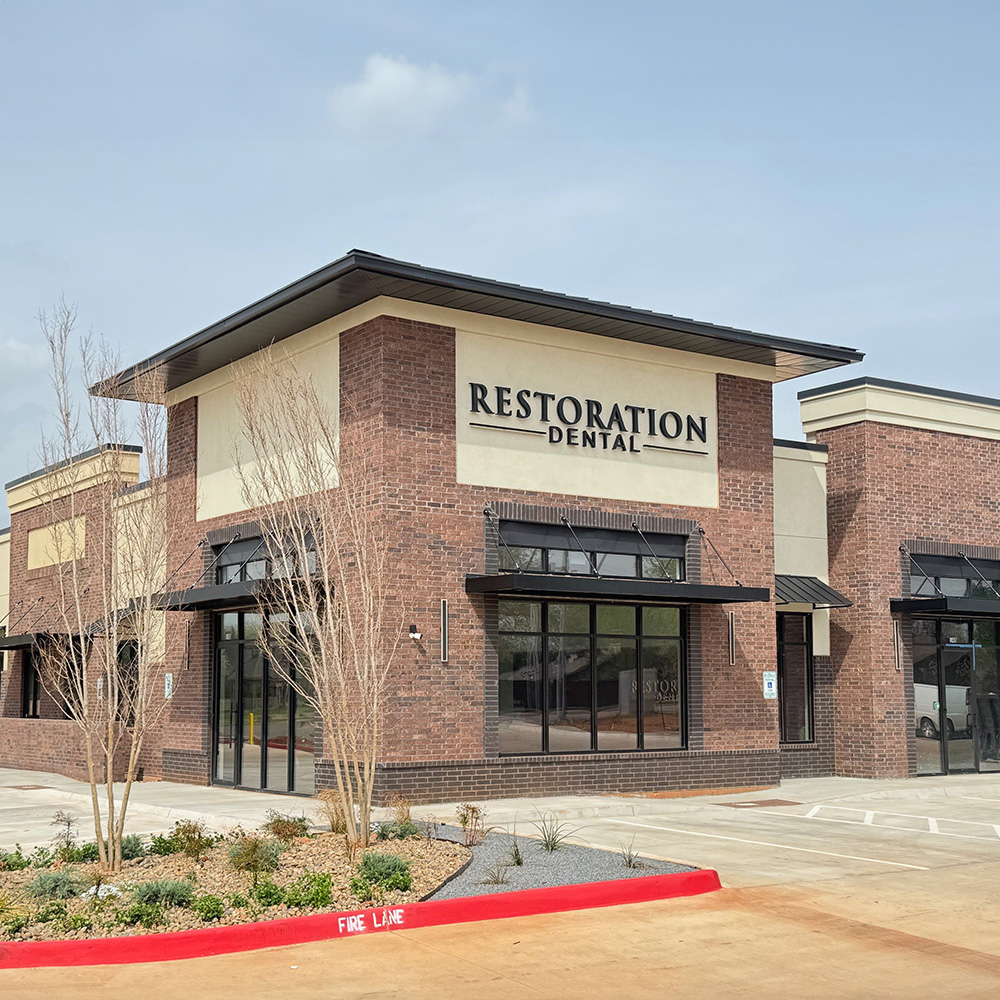
Ready to schedule your next appointment or learn more about our services?
Getting in touch with Restoration Dental is simple! Our welcoming staff is here to help you schedule appointments, answer questions about treatments, and address any concerns you may have. Whether you’d like to call or use our easy online contact form, we’re always ready to assist. Don’t wait to take the first step toward a healthier, more confident smile – contact us today and experience the difference of personalized dental care.